
A child’s first school experience shapes more than letter recognition and number sense. It influences how they feel about learning, how comfortably they ask for help, and whether they see school as a place where they belong. This early elementary curriculum guide helps families recognize the ingredients of a program that builds strong academic foundations while caring for the whole child.
For children ages 3 through 8, growth rarely happens in neat categories. A child may be eager to share ideas during story time but need support joining a group activity. Another may understand a math concept quickly while still developing the patience to try again after a mistake. A thoughtful curriculum makes room for both the measurable skills and the human moments that help children become confident, joyful learners.
What an Early Elementary Curriculum Should Build
A strong early education program is purposeful without asking young children to grow up too fast. Children need clear routines, meaningful learning goals, and teachers who know how to turn ordinary moments into opportunities for discovery. They also need time to move, create, talk, play, and practice being part of a classroom community.
The most effective curricula connect foundational academics with hands-on experiences. Rather than treating reading, math, science, art, and social-emotional learning as separate boxes, teachers help children see how ideas connect. A class reading a story about gardens might measure plant growth, make observations, paint flowers, and talk about the patience involved in caring for something over time.
Literacy begins with language and connection
Early literacy is much more than memorizing the alphabet. Children build reading readiness by hearing rich language, talking about stories, noticing sounds in words, singing, rhyming, and seeing that print carries meaning. As they progress, they learn letter-sound relationships, high-frequency words, decoding strategies, vocabulary, comprehension, and written expression.
The pace matters. Some children are ready to read independently earlier than others, but every child benefits from frequent read-alouds, small-group instruction, and chances to communicate ideas in their own words. A caring teacher celebrates progress while also noticing when a child needs a different explanation, extra practice, or a little more time.
Math should make sense, not just produce answers
Young children learn mathematics through patterns, sorting, counting, comparing, building, measuring, and solving everyday problems. Before they can confidently work with equations on paper, they need opportunities to see numbers in action.
For example, children may count the plates needed for snack, compare the height of block towers, or use counters to show different ways to make ten. These experiences develop number sense and help children understand why a solution works. In the early grades, students gradually build fluency with addition and subtraction, place value, measurement, geometry, and problem-solving strategies.
Social-emotional learning supports every subject
Learning to listen, take turns, name feelings, recover from disappointment, and work through a disagreement are not extras. These skills help children participate fully in academic learning and in their relationships with others.
A classroom with consistent expectations gives children a sense of security. Teachers can guide children through conflict with language they can use again: “I did not like that,” “Can I have a turn when you are done?” or “How can we solve this together?” Over time, children learn that their voices matter and that challenging moments can be handled with care.
What Learning Looks Like at Each Stage
A developmentally appropriate curriculum changes as children grow. The goals become more complex, but the need for encouragement, movement, exploration, and trusted relationships remains constant.
Pre-K: Building independence through play and routine
For three- and four-year-olds, a school day should offer structure without becoming overly rigid. Children are learning how to separate from caregivers, participate in a group, manage simple tasks, and communicate their needs. Predictable routines help them feel safe enough to explore.
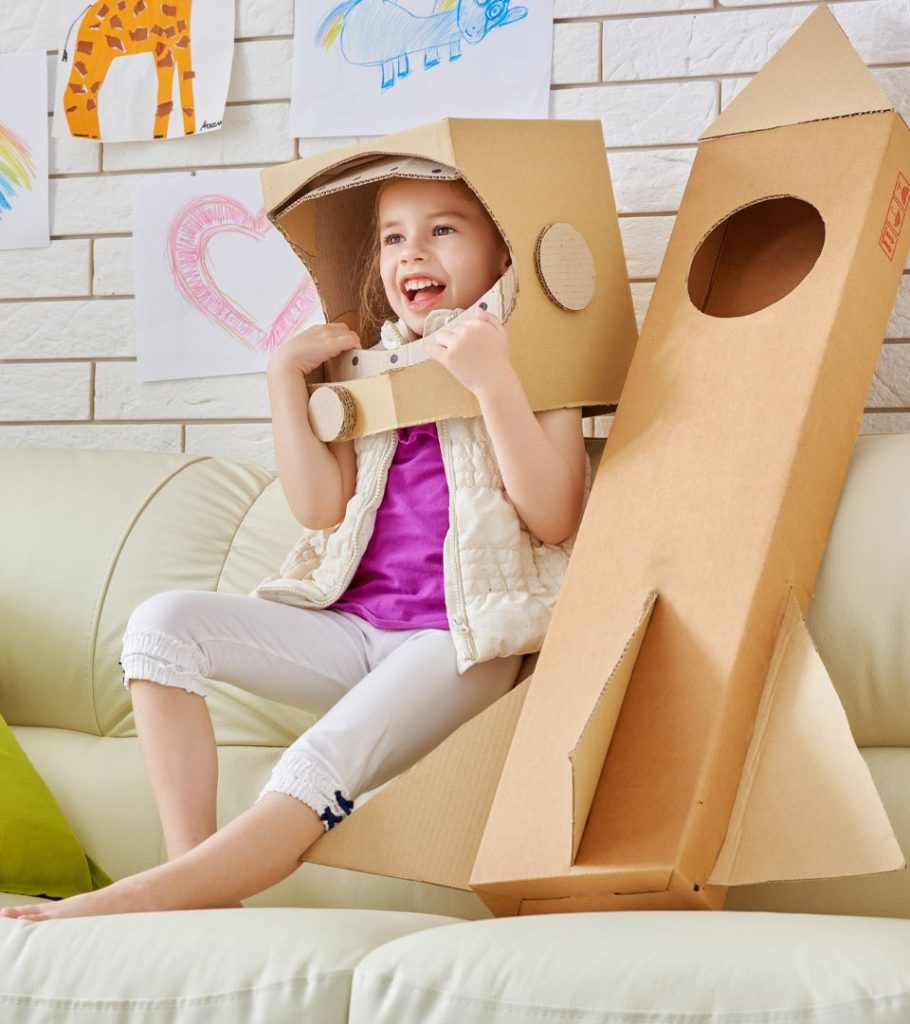
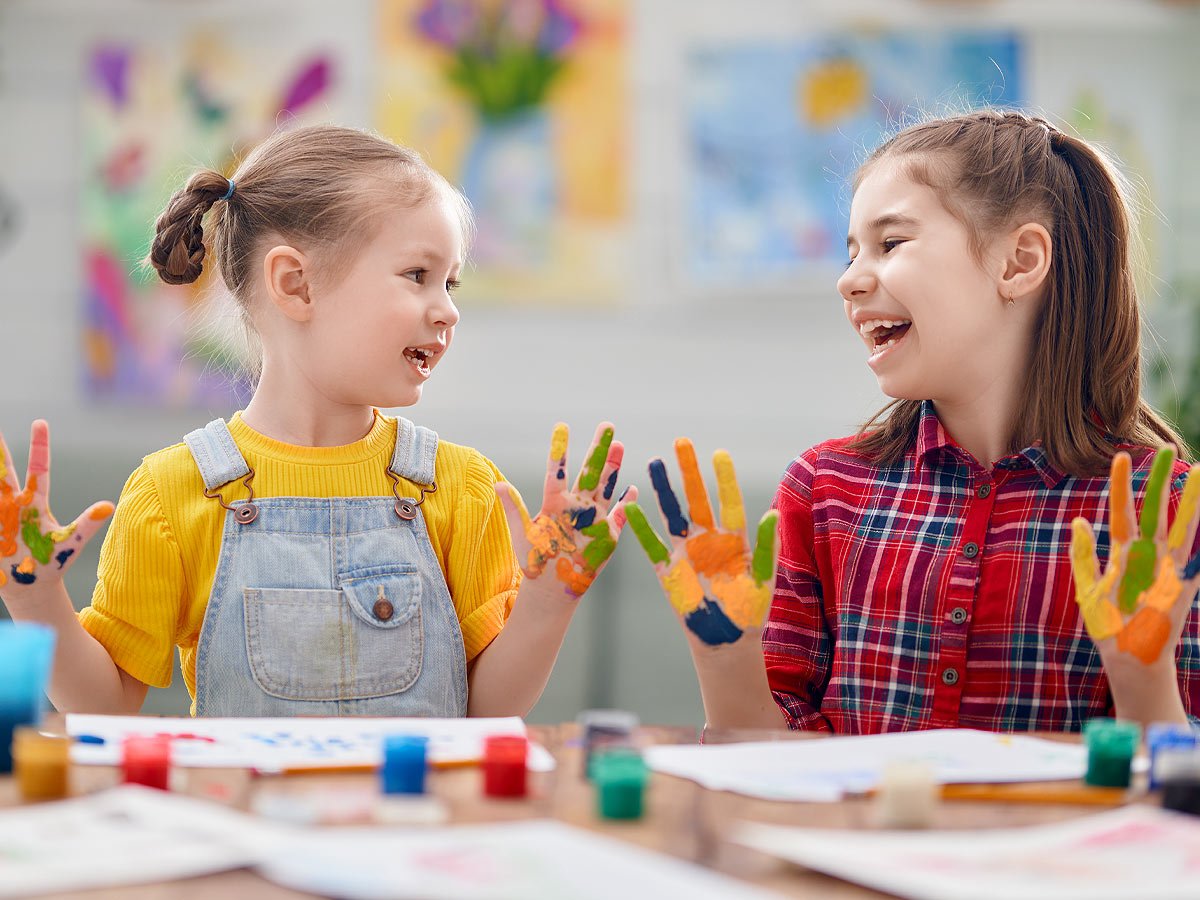
Academic readiness grows through play-based experiences with intention behind them. Children may strengthen fine motor skills through drawing, cutting, and manipulating materials; develop early literacy through books and songs; and explore early math through counting, shapes, and patterns. Imaginative play, outdoor time, music, and art are valuable because they support language, creativity, coordination, and social development all at once.
Kindergarten: Making the transition to formal learning
Kindergarten introduces more sustained academic practice while protecting children’s natural curiosity. Students begin building a dependable toolkit for reading, writing, and math. They learn to follow multi-step directions, participate in discussions, and take responsibility for materials and classroom routines.
A strong kindergarten classroom balances teacher-led instruction with active learning. Children need explicit guidance in foundational skills, but they also learn deeply by asking questions, experimenting, and explaining their thinking. Families should look for a program where children are encouraged to try, make mistakes, and try again rather than fear getting an answer wrong.
First and second grade: Deepening skills and confidence
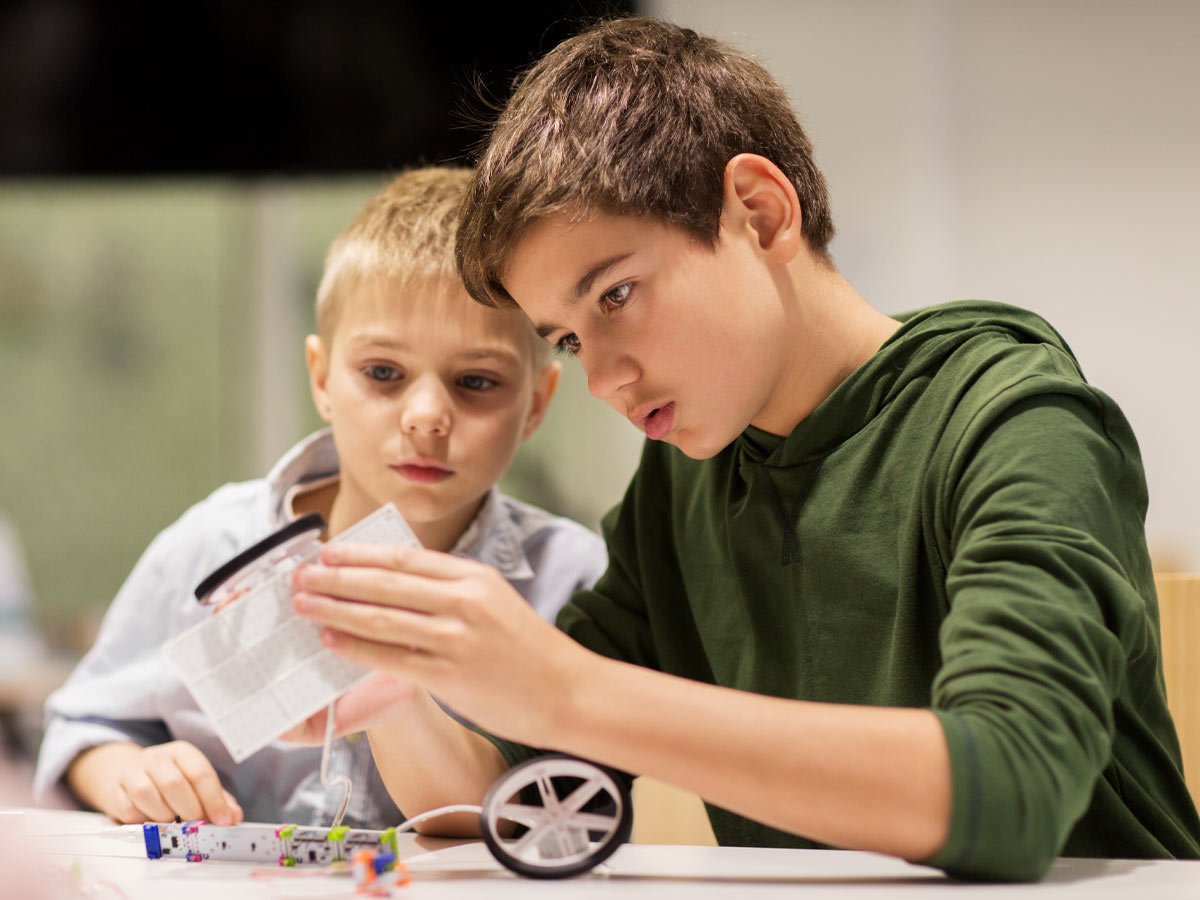
By first and second grade, children are moving from learning the mechanics of reading toward reading to understand ideas. They are writing more complete sentences and stories, solving more complex math problems, and building the stamina to work independently. At the same time, they are becoming more aware of friendships, fairness, and their own strengths and challenges.
This is where small-group instruction can be especially meaningful. Children do not all arrive with the same experiences or develop at the same rate. Responsive teachers use observation and assessment to provide the right level of challenge, whether that means reinforcing a foundational skill or extending a child who is ready for more.
The Value of Individualized Support
No curriculum, however carefully designed, can meet every child’s needs if it is delivered the same way to everyone. Small classes and experienced teachers allow for the daily attention that young learners need. A teacher may notice that a child understands a lesson better after using hands-on materials, is unusually quiet during transitions, or needs a book that reflects a particular interest.
Individualized support does not mean lowering expectations. It means helping each child reach meaningful expectations with the guidance that works for them. Some children need a quiet reminder before a group activity. Others benefit from an extra reading conference, a leadership role, or a challenge that keeps their enthusiasm growing.
Families also play an essential role. Children thrive when the adults in their lives share information openly and work as a team. Regular communication gives parents insight into what their child is learning, celebrating, and practicing. It also helps teachers understand changes at home, family traditions, and the interests that can make learning feel more personal.
Questions to Ask When Evaluating a Program
When visiting a school, look beyond displays of student work or a list of subjects. Notice how teachers speak to children and how children respond. Are students comfortable asking questions? Do teachers redirect behavior with patience and clarity? Is there evidence of active learning alongside focused instruction?
It is helpful to ask how the school approaches reading and math instruction, how it supports children who need additional help or enrichment, and how families receive updates about progress. Ask about daily routines, outdoor play, creative enrichment, and the ways children practice social skills. The answers should be specific and easy to understand, not limited to broad promises.
You may also want to ask about teacher experience and continuity. Long-tenured educators bring deep knowledge of child development and of the local community. At The Winchester School, this continuity helps create the familiar, family-centered environment that many parents seek during their child’s earliest school years.
A Foundation That Reaches Beyond the Classroom
The right program will not look identical for every family. Some children flourish with more structure; others need frequent opportunities for movement and imaginative exploration. What matters is that the school knows children well, communicates honestly with families, and holds academics and emotional growth as equally worthy goals.
As you consider your options, look for the feeling behind the curriculum as much as the content within it. A child who feels known, capable, and safe is ready to take the small, brave steps that lead to a lifelong love of learning.