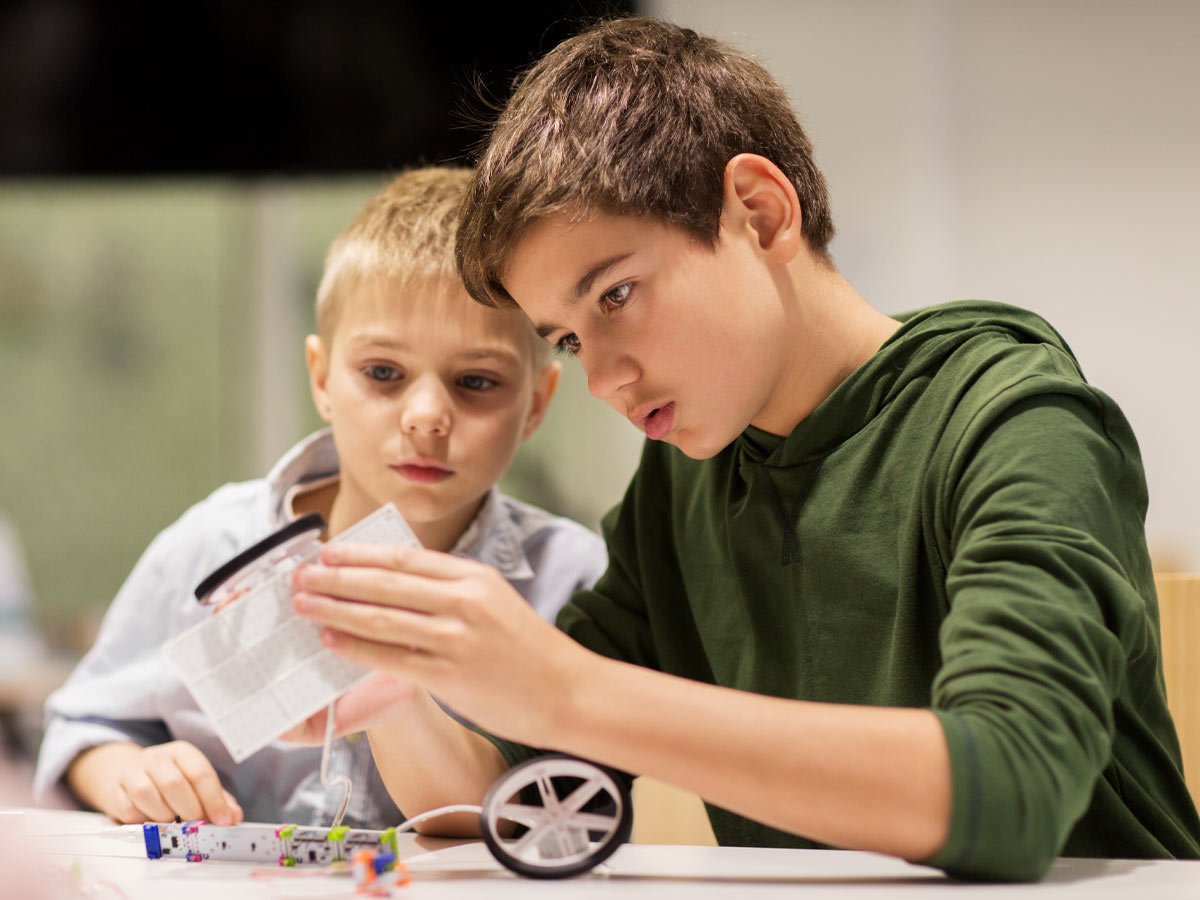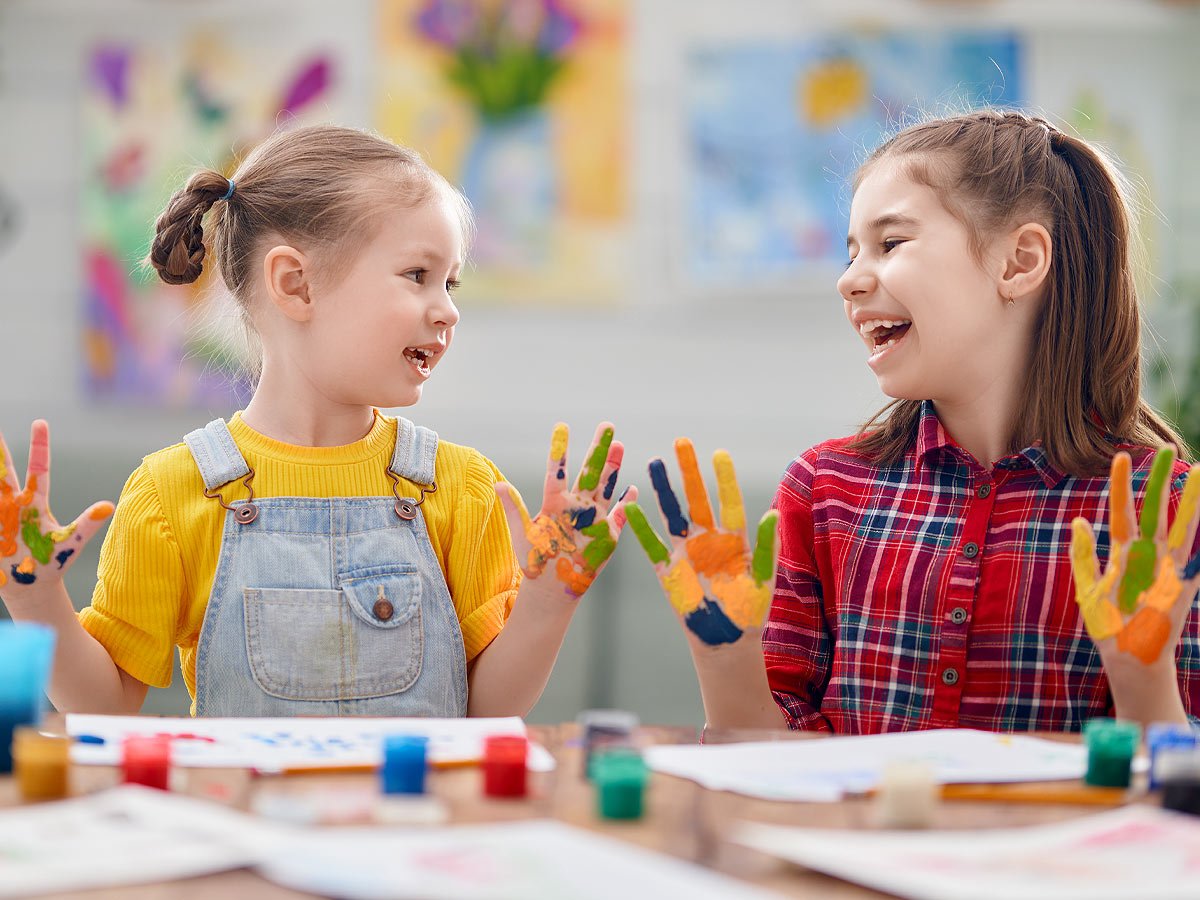

A preschooler may not come home with a detailed account of circle time, a new friendship, or the moment they finally tried a challenging activity. They may simply say, “Nothing,” then ask for a snack. That is why parent-teacher communication in preschool matters so much. When families and teachers share what they see, children are better understood, more consistently supported, and more confident as learners.
For young children, school and home are not separate worlds. A change in sleep, a new baby at home, a favorite book, or a worry about goodbyes can shape a child’s day in the classroom. In the same way, a teacher’s observation about emerging independence, a successful peer interaction, or a difficult transition can give families useful insight into their child’s development. Thoughtful communication connects those observations with care.
Parent-Teacher Communication in Preschool Builds Trust
Trust grows through small, reliable moments. A warm greeting at drop-off, a quick note about a child’s proud accomplishment, or a brief check-in after a hard morning all tell families: your child is known here. For children ages 3 and 4, that sense of connection is especially meaningful. They are learning to separate from caregivers, form relationships with adults outside their family, and express big feelings with still-developing language.
When children see that the important adults in their lives know one another and share the same goal, school feels safer. They do not need every adult to handle every situation in exactly the same way. In fact, home routines and classroom routines will naturally differ. What helps is a shared approach to the essentials: kindness, clear expectations, encouragement, and confidence in the child’s ability to grow.
Strong communication also helps teachers tailor support. A child who is quiet during morning arrival may need time to settle in, or they may have had an unusually early wake-up. A child who suddenly avoids a favorite activity may be testing a new boundary, processing a change, or simply having an off day. Families offer context, while teachers offer a view of how a child participates in a group. Together, those perspectives create a fuller picture.
What Helpful Preschool Communication Looks Like
The most valuable communication is not constant communication. Families have busy schedules, and teachers need protected time to be fully present with children. The goal is a dependable rhythm that shares meaningful information without turning every day into a report card.
Daily exchanges are often brief. At arrival, a parent might mention that a child slept poorly or is excited about a grandparent’s visit. At pickup, a teacher might share that the child joined a new game on the playground, practiced using words during a disagreement, or worked carefully on a writing activity. These details may seem small, but they help parents ask better questions at home and help teachers respond with greater understanding the next day.
More substantial conversations deserve time and privacy. Scheduled conferences give families and teachers an opportunity to discuss developmental progress, goals, friendships, early academic skills, and social-emotional growth without rushing through a doorway conversation. They also make room for parents’ questions, including the questions that may feel difficult to ask.
Clear communication should include both celebrations and concerns. Families deserve to hear about the joyful moments: a child who comforts a friend, takes pride in cleaning up, recognizes letters in their name, or persists with a puzzle. They also deserve honest, respectful information when a child is struggling. Waiting until a concern becomes serious can make families feel surprised or excluded from the process.
A helpful teacher frames concerns with specific observations rather than labels. “Jordan has had a hard time joining group activities after outdoor play this week” is more useful than “Jordan is not listening.” Specific language opens the door to partnership. It allows families to share what they notice at home and helps everyone consider practical next steps.
Consistency Matters More Than Perfection
No preschool day is perfectly predictable. Children are learning, classrooms are active, and even the most thoughtful plan may need to shift. Communication does not have to be polished or lengthy to be effective. It does need to be timely, respectful, and consistent.
For example, if a child has a difficult separation at drop-off, a short follow-up once they are settled can bring enormous relief to a parent. If a teacher notices a repeated challenge over several days, a request for a conversation shows that the pattern is being taken seriously. Families, too, can build trust by sharing relevant changes early, even when the information feels minor.
How Families Can Make Communication Easier
Parents do not need educational jargon or a long meeting to be active partners in their child’s learning. A few simple habits can make conversations with teachers more productive.
First, share information that may affect your child’s experience. Illness, disrupted sleep, travel, family transitions, new fears, or changes in caregiving routines can all influence behavior and emotions. Teachers do not need private details that a family is not comfortable sharing, but a little context can help them offer extra patience or reassurance.
Second, be curious about the whole child. It is natural to ask, “What did my child learn today?” Preschool learning includes early literacy, number sense, and problem-solving, but it also includes taking turns, recovering from disappointment, making choices, and contributing to a classroom community. Questions such as “Who did my child play with?” or “What felt exciting or challenging today?” invite a richer conversation.
Third, bring concerns forward with a partnership mindset. If something worries you, it is reasonable to ask about it. Start with what you are seeing and what you hope to understand. Teachers can then share classroom observations and help determine whether a behavior is a short-lived developmental stage, a situation to monitor, or something that would benefit from a shared plan.
It also helps to remember that a single difficult day rarely tells the whole story. Preschoolers can be enthusiastic and cooperative one day, tired and tearful the next. Looking for patterns over time gives families and teachers a more accurate understanding of what a child needs.
When a Child Needs Extra Support
Open communication is particularly important when children are working through a challenge. This might include separation anxiety, friendship conflicts, difficulty with transitions, frustration during group activities, or uncertainty with an emerging academic skill. Early childhood is a time of rapid development, so support should be thoughtful without rushing to define a child by one behavior.
A strong school-family partnership begins by asking: What is happening, when does it occur, and what helps? A teacher may notice that a child becomes frustrated during cleanup, while a parent may share that transitions are also difficult before bedtime. Together, they might try a consistent warning before a transition, a simple job that gives the child purpose, or language the child can use when they need help.
The best plans are manageable. A preschooler does not need a complicated behavior system to learn a new skill. They need caring adults who notice effort, practice expectations patiently, and communicate about what is working. When a strategy is not helping, families and teachers can adjust it without blame.
Communication Creates a Stronger School Community
Families choose early education not only for what children will learn, but for how they will be cared for while learning it. Communication is part of that care. It turns observations into shared understanding and helps children experience a steady bridge between home and school.
At The Winchester School, that partnership is part of the daily work of helping children become joyful, capable learners. Small classes and experienced teachers create more opportunities to know each child’s interests, needs, and growing strengths.
A meaningful conversation at pickup may last only a minute, yet its effect can last much longer. When families and teachers keep showing up for those moments with openness and care, children receive a powerful message: the people who love and teach me are working together, and I am ready to grow.