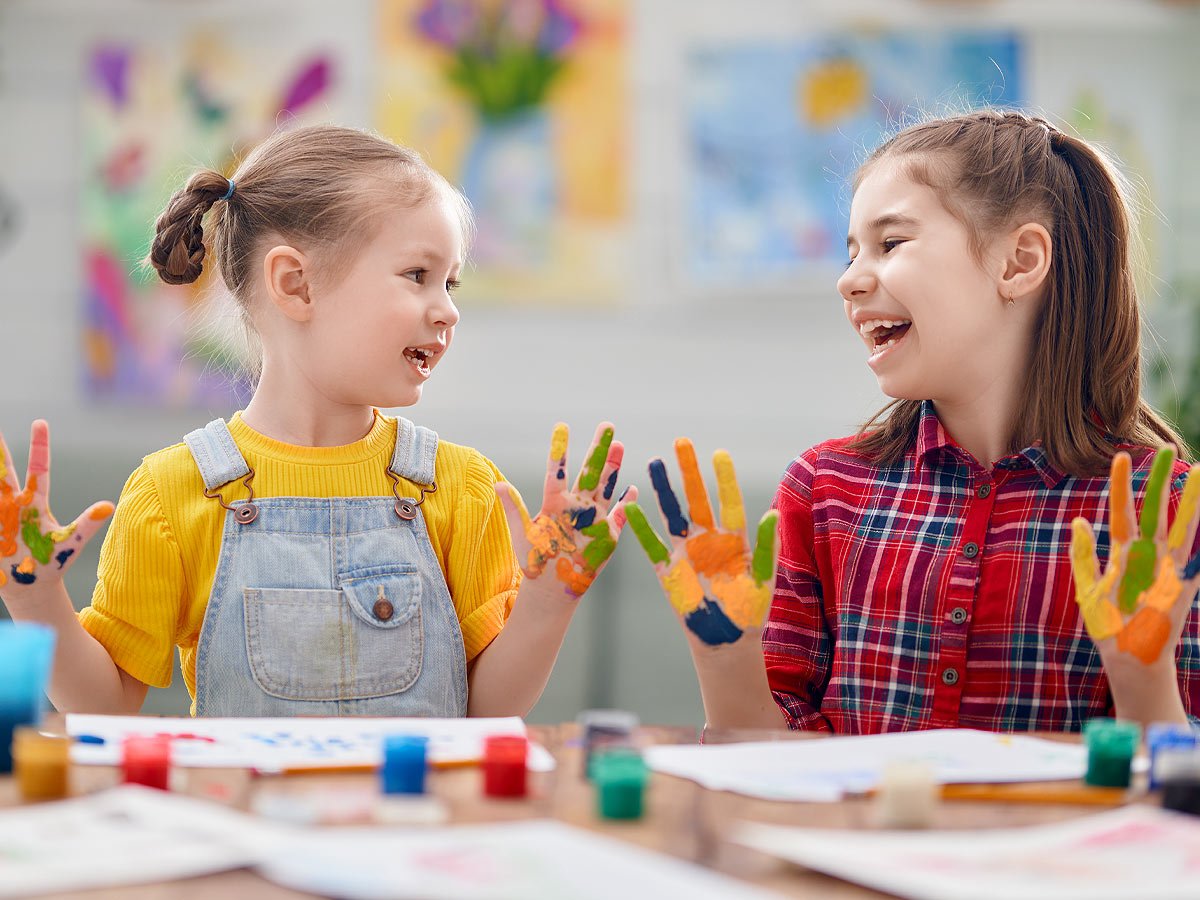

A child who proudly recognizes the first letter of her name, waits for a turn with the paintbrush, and tells a friend, “You can have it next,” is doing meaningful schoolwork. A strong preschool curriculum is not measured only by how many letters or numbers children can recite. It is seen in the steady growth of children who feel safe enough to ask questions, capable enough to try again, and connected enough to learn alongside others.
For families choosing a preschool, that balance matters. Young children need a program with purpose and structure, but they also need room to move, imagine, create, and be known as individuals. The early years are a foundation for academic learning, friendships, self-confidence, and the habits that carry children into kindergarten and beyond.
What Is a Preschool Curriculum?
A preschool curriculum is a thoughtful plan for how children ages three and four will learn throughout the year. It includes early academic concepts such as language, literacy, math, science, and fine-motor development. Just as importantly, it supports social-emotional development, independence, communication, creativity, and physical growth.
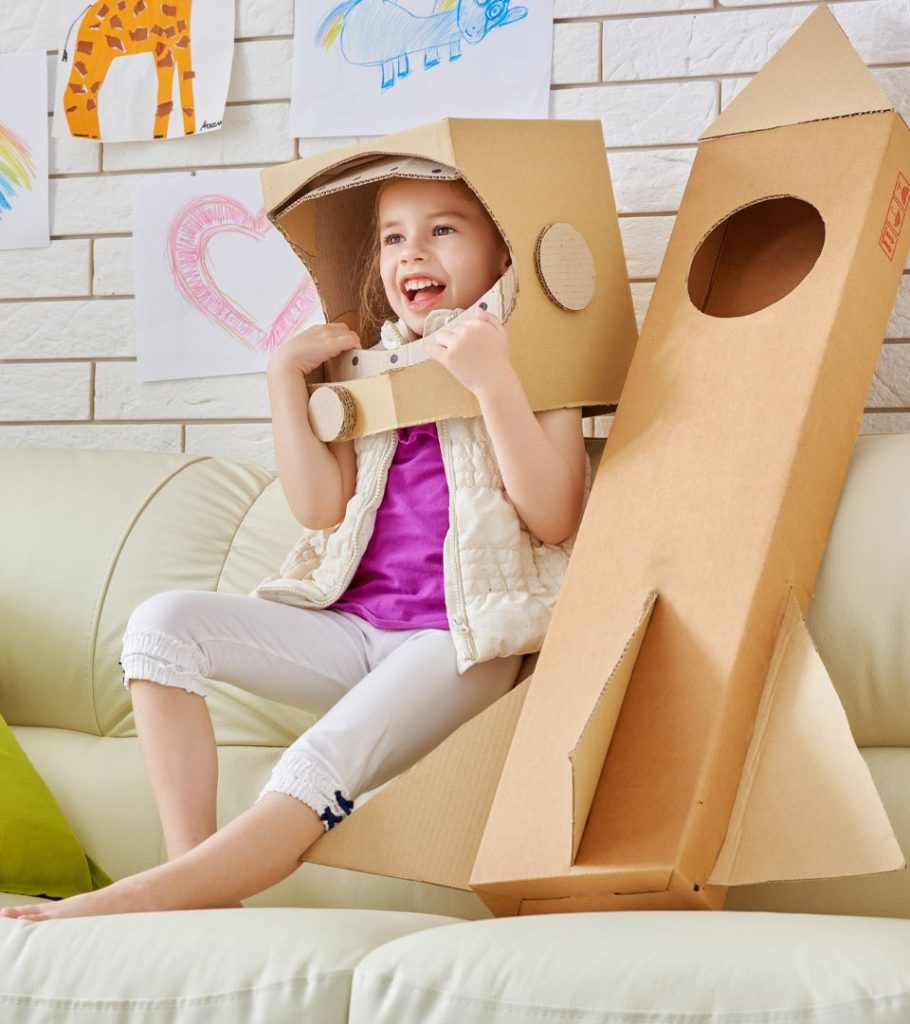
At this age, children learn best through active experiences. They may sort buttons by color and size, act out a favorite story, build a bridge with blocks, compare leaves collected outside, or use playdough to strengthen the small muscles needed for writing. These activities are playful, but they are never random. With skilled teachers guiding the experience, play becomes a meaningful path to new ideas and growing confidence.
A developmentally appropriate curriculum recognizes that children do not all develop on the same schedule. One child may be eager to write letters while another is still building the hand strength to hold a crayon comfortably. One may join group discussions easily, while another needs encouragement before sharing a thought. A nurturing school notices these differences and provides support without making children feel rushed or left behind.
The Building Blocks of a Strong Preschool Curriculum
The best early learning programs bring several areas of development together rather than treating them as separate subjects. Children’s days should have a dependable rhythm, with time for group learning, hands-on exploration, outdoor play, creative work, meals, rest when needed, and conversations with caring adults.
Early literacy begins with language and joy
Preschool literacy is much more than memorizing the alphabet. It begins with listening to stories, talking about experiences, learning new vocabulary, noticing sounds in words, recognizing names, and discovering that marks on a page carry meaning.
When teachers read aloud with expression and invite children to predict what might happen next, they build comprehension as well as a love of books. When children sing rhymes, clap syllables, and play with beginning sounds, they begin developing the phonological awareness that supports later reading.
Writing also starts in preschool, though it may look like drawing, scribbling, making letter-like shapes, or attempting the letters in a child’s name. These early efforts deserve encouragement. Children build the confidence to communicate in writing long before their handwriting is polished.
Early math grows through real experiences
A meaningful preschool math experience is often happening in plain sight. Children count the cups needed for snack, compare the height of two block towers, identify patterns in beads, or decide whether there are enough chairs for everyone at the table.
These experiences develop number sense, sorting, sequencing, measurement, spatial awareness, and problem-solving. The goal is not to push formal worksheets before children are ready. It is to help them see math as useful, understandable, and present in everyday life.
Science invites children to wonder
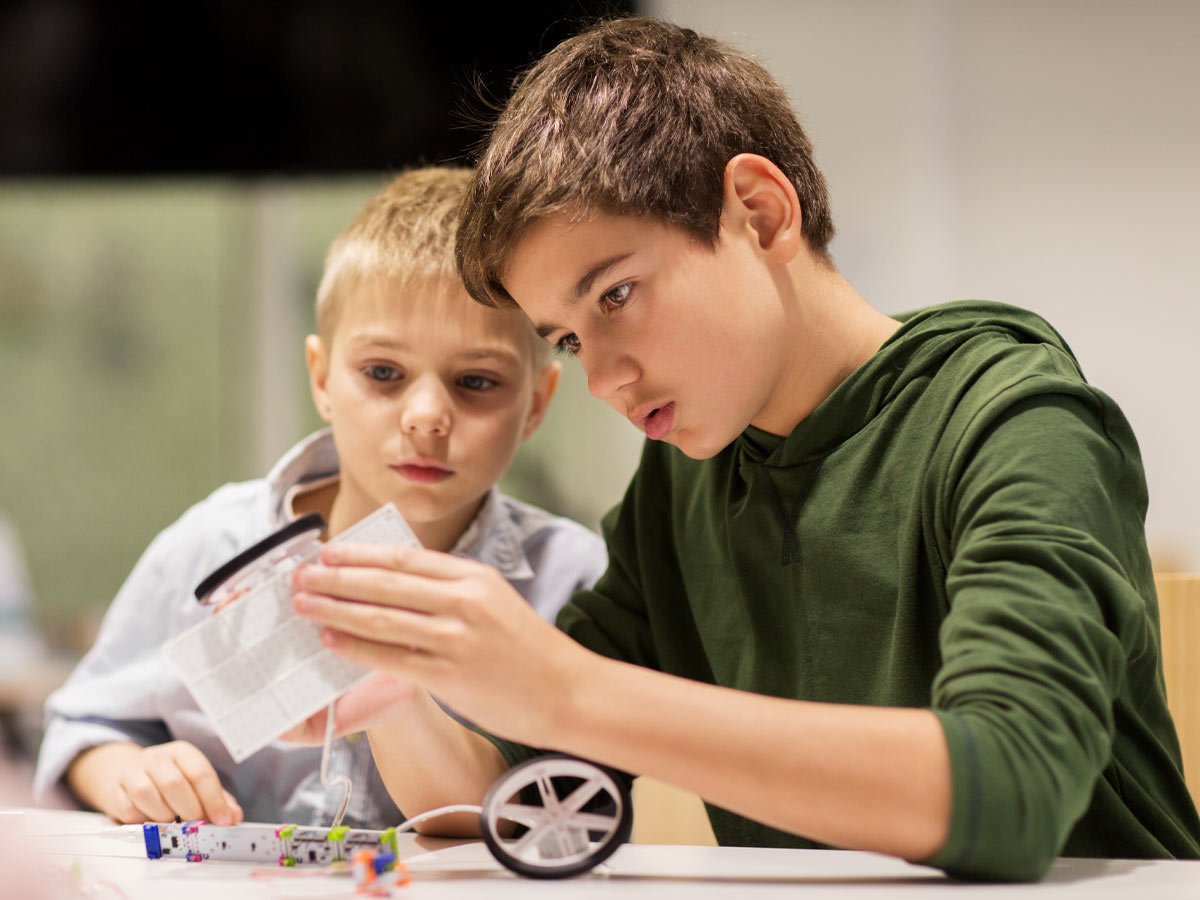
Preschoolers are natural investigators. They want to know why ice melts, where worms go after rain, what happens when colors mix, and whether a seed will grow. A curriculum that makes room for these questions teaches children that curiosity is valuable.
Simple investigations build observation skills and encourage children to describe what they notice. Teachers can extend learning with questions such as, “What do you think will happen?” or “How could we find out?” The answer matters, but the thinking process matters too.
Social-emotional learning belongs at the center
A child cannot fully engage in learning when big feelings, separation worries, or peer conflicts feel overwhelming. That is why social-emotional learning is not an extra part of preschool. It is part of the daily work.
Children need patient guidance as they learn to enter play, take turns, use words to solve problems, manage disappointment, and recognize the feelings of others. They also need adults who help them understand that mistakes are part of learning.
A caring classroom gives children language for these moments: “I feel frustrated,” “Can I have a turn when you are finished?” and “I need help.” Over time, those small exchanges build resilience and empathy. They also make a classroom community stronger and more peaceful.
Why Play Is Serious Learning
Some families worry that a play-based classroom may not be academically challenging enough. This is understandable, especially when kindergarten expectations can feel increasingly demanding. The question is not whether children should play or learn. High-quality preschool allows them to do both at once.
In a well-planned dramatic play area, children negotiate roles, tell stories, use new vocabulary, write pretend menus, count play money, and practice cooperation. At the block area, they test balance, explore shapes, plan together, and persist when a structure falls. During art, they make choices, strengthen coordination, and express ideas that may be difficult to put into words.
The difference is teacher intention. Productive play is supported by adults who observe closely, introduce materials thoughtfully, ask purposeful questions, and know when to step back. A curriculum should offer guidance without turning every moment into a lesson or every project into an adult-directed craft.
Structure Helps Children Feel Secure
Freedom to explore works best when children also know what to expect. Consistent routines help preschoolers feel safe and capable. They learn that arrival is followed by morning choices, that cleanup comes before a group gathering, and that a teacher will return after helping another child.
Structure does not mean every child must work at the same pace or produce the same result. It means the day has a rhythm that supports independence. Children gradually learn to hang up a backpack, care for classroom materials, wash hands, make choices, and participate in transitions.
These routines may seem small, yet they prepare children for larger responsibilities. Independence grows when children are trusted with manageable tasks and supported with calm, clear expectations.
What Parents Should Look For in a Preschool Curriculum
Curriculum descriptions can sound impressive on paper, but families learn the most by watching how a school brings its values to life. During a visit, notice whether teachers speak to children with warmth and respect. Listen for open-ended questions rather than only directions. Look for children who are engaged in a range of activities, not simply waiting for the next instruction.
It is also helpful to ask how teachers observe progress and communicate with families. Preschool growth is not always captured in a single assessment. Families deserve specific insights: a child is beginning to identify rhyming words, showing more confidence in group time, practicing a pencil grasp, or learning to join peers in play.
Small class sizes can make this individual attention more realistic. Experienced teachers who know children well can respond to strengths, interests, and areas where extra encouragement may help. Open communication between school and home also gives children a more connected support system.
There are trade-offs to consider. A highly academic program may appeal to parents seeking visible early skills, while a less structured setting may offer more child-led discovery. The right fit depends on a child’s temperament, developmental needs, and family priorities. The strongest programs do not force families to choose between readiness and joy. They build academic foundations through relationships, exploration, and thoughtful instruction.
A Foundation That Lasts Beyond Preschool
At The Winchester School, preschool is designed as the beginning of a child’s larger learning journey, not a race toward the next grade. Children benefit from a warm community, experienced teachers, and the reassurance that their individual growth is seen and valued.
The most lasting gift of early education is not a worksheet brought home at the end of the day. It is a child who walks into school feeling that they belong there, that their ideas matter, and that learning is something they are ready to do.