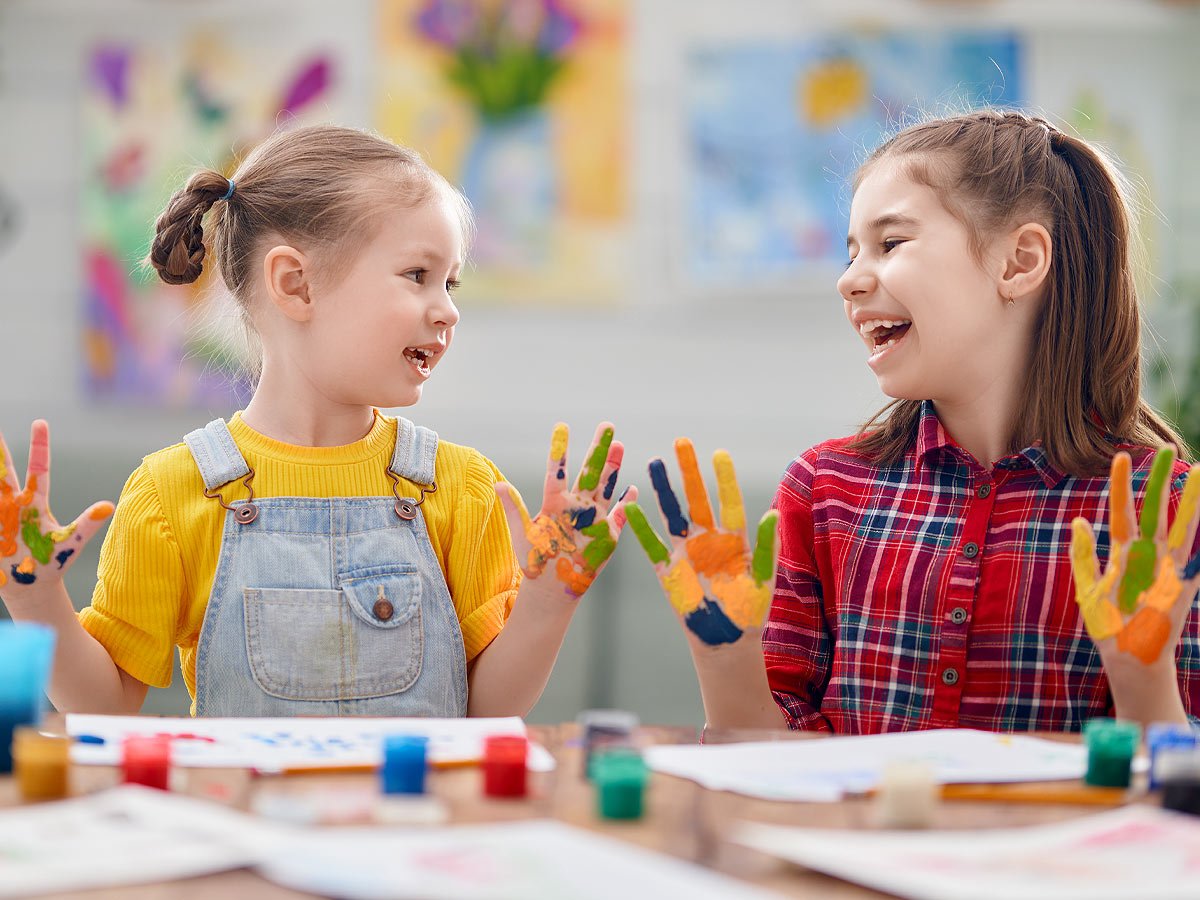

A school tour is more than a walk through bright classrooms and well-stocked shelves. For families choosing a first school or early elementary program, it is a chance to picture an ordinary Tuesday morning: how your child will be welcomed, supported through a hard moment, encouraged to try something new, and known as an individual. This elementary school tour guide can help you look beyond first impressions and focus on the details that shape a young child’s daily experience.
For children ages 3 through 8, the right setting should feel both warm and purposeful. Young learners need room to move, explore, ask questions, and build friendships. They also benefit from clear routines, thoughtful academic instruction, and adults who understand that confidence and learning grow together.
Begin With the Feeling of the School
Before asking a single question, pay attention to the atmosphere. Do children seem comfortable approaching their teachers? Are adults speaking to children respectfully, at their eye level, and with patience? A quiet classroom is not always the sign of a strong classroom, especially in early childhood. Productive learning may include children talking through a project, sounding out words, counting materials, or collaborating during play.
Notice whether the environment feels calm without feeling rigid. A developmentally appropriate school has routines that help children know what comes next, while still allowing them to be curious and expressive. Look for spaces that invite hands-on learning: books children can reach, art materials in use, building areas, writing tools, and displays that reflect children’s real work rather than only adult-made decorations.
The condition of a building matters, but relationships matter more. A modest room where children are engaged and teachers are attentive can tell you far more than a polished lobby. Ask yourself whether you can imagine your child being seen, heard, and welcomed there each day.
What an Elementary School Tour Guide Should Help You See
A meaningful tour should give families a window into daily learning, not just describe a program in broad terms. If possible, visit while classes are in session. Seeing children and teachers together helps you understand the rhythm of the day and the school’s expectations for learning, behavior, and independence.
Pay attention to how teachers guide rather than simply direct. In a strong early learning environment, teachers may ask, “What do you notice?” or “What could you try next?” instead of immediately supplying an answer. This approach builds problem-solving skills and helps children develop confidence in their own thinking.
It is also helpful to notice how academic foundations appear throughout the classroom. For preschoolers, that may look like letter recognition during a name activity, early math through sorting and counting, or language development during dramatic play. In Kindergarten through second grade, look for children reading, writing, working with numbers, discussing ideas, and using materials that make concepts concrete. Academic growth should be clear, but it does not need to feel disconnected from joy.
Ask How Teachers Know Each Child
Small class sizes can create more opportunity for individualized attention, but the number alone does not tell the full story. Ask how teachers assess children’s progress, share observations with families, and adjust instruction when a child needs more challenge or more support.
A helpful question is: “How would a teacher respond if my child was struggling with a new skill?” Listen for an answer that includes patience, specific strategies, communication, and partnership with parents. Young children develop at different paces. A school should be able to describe how it supports that growth without labeling a child too quickly or waiting too long to respond.
You may also ask how the school helps a child who is shy, frustrated, or still learning to separate at drop-off. These moments are common, especially during transitions. Schools that know young children well have gentle, consistent approaches for helping them feel secure while gradually building independence.
At The Winchester School, experienced teachers and small learning communities are central to creating the personal attention families seek during these formative years. Long-tenured educators often bring another advantage: they recognize developmental patterns, understand the local community, and can offer families steady guidance as children grow.
Look Closely at Social-Emotional Learning
Parents rightly want to know what their children will learn academically. It is equally valuable to ask how children learn to manage big feelings, solve conflicts, take turns, and recover from mistakes. These skills are not separate from school success. A child who feels safe asking for help is better able to participate, persist, and learn.
During the tour, observe how adults respond when children need redirection. Is the tone firm and kind? Are children given language to express needs and repair relationships? For example, a teacher might help a child say, “I was still using that,” or guide two children toward a solution when they both want the same material. These everyday interactions teach empathy, self-control, and respect.
Ask whether the school has consistent expectations across classrooms and how families are included when behavioral concerns arise. Open communication is especially important in the early years. Parents should not feel surprised by an ongoing challenge, nor should they feel that their child is defined by one difficult day.
Consider the School-Family Partnership
A school becomes more supportive when parents and teachers see one another as partners. Find out how and when families hear about classroom learning, developmental progress, upcoming events, and concerns. Some parents appreciate frequent daily updates, while others prefer scheduled conferences paired with meaningful communication when needed. The best fit depends on your family, but clarity is essential.
Ask who you would contact with a question and how quickly the school typically responds. Learn whether teachers are accessible at arrival or dismissal, how conferences are structured, and how the school shares milestones. A strong partnership is not built on constant messages. It is built on trust, consistency, and the confidence that your questions will be welcomed.
Community also deserves attention. Ask about opportunities for families to gather, volunteer, celebrate, or get to know one another. For many young children, seeing a connection between home and school makes the transition easier. For parents, a welcoming community can offer reassurance during a season filled with new routines and big changes.
Think About the Practical Details With Care
Practical questions are part of choosing well. Ask about arrival and dismissal routines, safety procedures, meals or snacks, outdoor play, enrichment, school calendars, and summer options. These details affect your family’s everyday life, and a school should be able to explain them clearly.
It is wise to ask how much outdoor time children receive and what happens during poor weather. Movement is a real learning need for young children, not an extra reward after academic work. You can also ask about art, music, science exploration, and other enrichment experiences that give children additional ways to discover their strengths.
Tuition is another important conversation. Families have different budgets and priorities, so transparency matters. Seek a school that communicates costs, schedules, and policies respectfully, allowing you to make a thoughtful decision without pressure.
Trust the Questions That Stay With You
After the tour, take a moment before comparing brochures or checking boxes. What did you notice about the way adults spoke to children? Could you picture your child entering the classroom, finding a place to belong, and returning home eager to share something they learned? Did the school explain its approach in concrete terms, or did the answers remain vague?
No school is perfect, and the best choice will depend on your child’s temperament, your family’s values, and the support you need. Still, a school that combines caring relationships with purposeful learning can give children something lasting: the belief that school is a place where they are capable, valued, and ready to grow.
When you find that feeling, keep paying attention to it. A child’s earliest school experiences can shape how they see themselves as learners, and a welcoming community can make that beginning feel full of possibility.