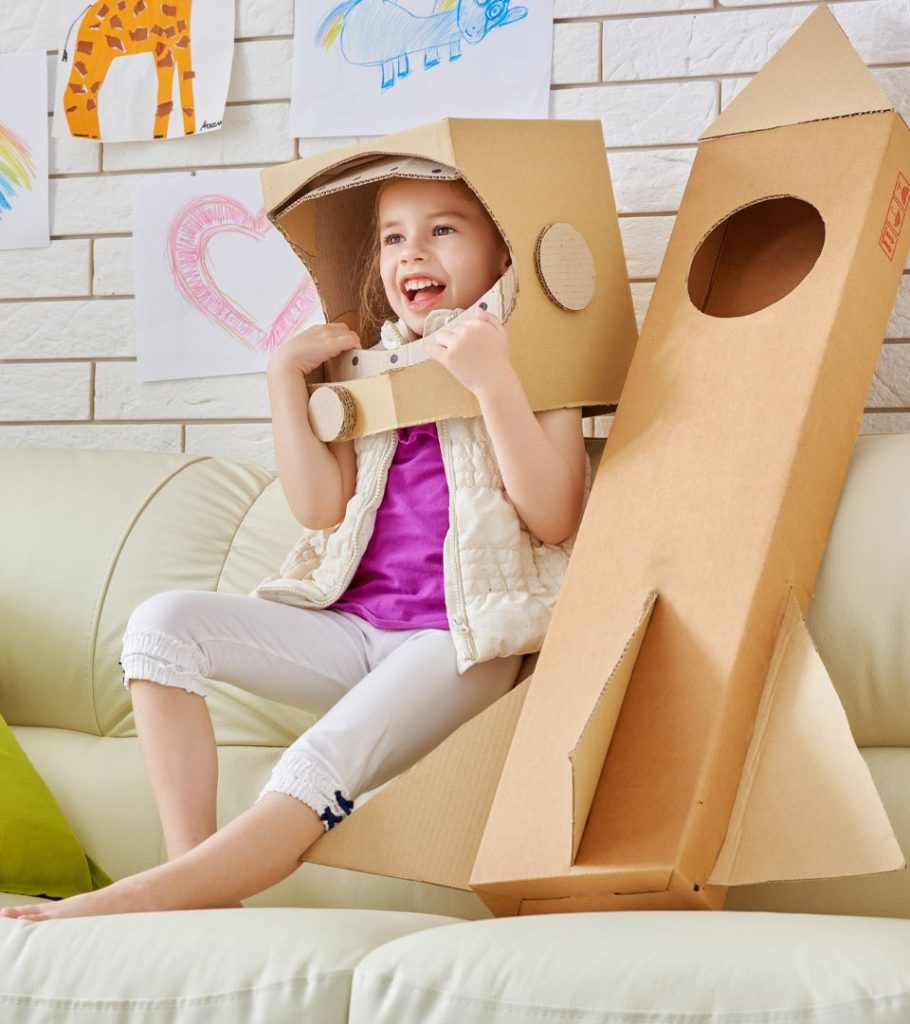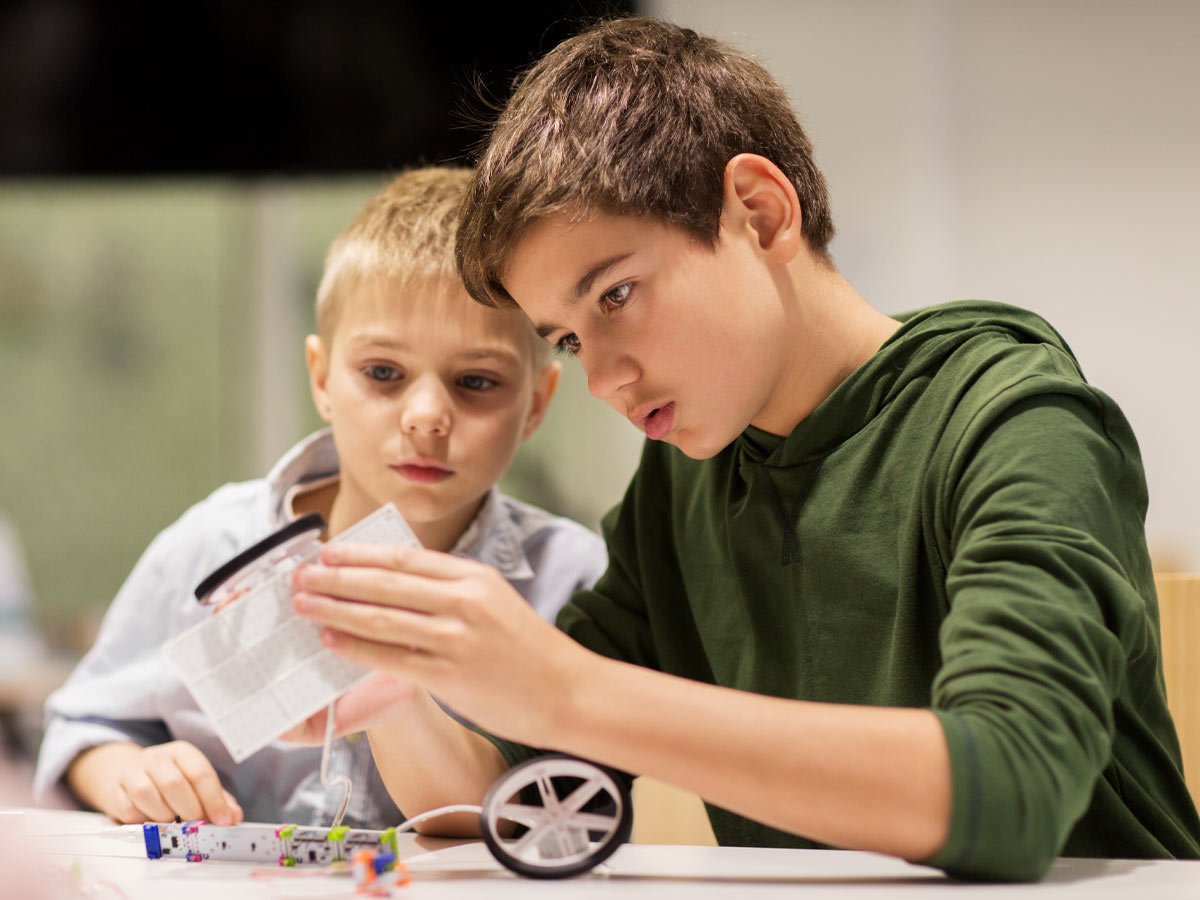

A child’s first school experiences are shaped by far more than the lesson plan. They are shaped by the reassuring handoff at the classroom door, the conversation about a new friendship, and the shared celebration when a child writes their name or tries something challenging. The strongest family school partnership examples create those everyday connections with purpose. They help children see that the important adults in their lives are working together, with care and consistency.
For children in Pre-K through second grade, that partnership is especially meaningful. Young learners are building academic skills, independence, confidence, and a sense of belonging all at once. When families and teachers communicate openly, children receive the steady support they need to grow.
Why family-school partnerships matter in early learning
A family partnership is not a request for parents to become classroom teachers. Families already know their children deeply: what helps them feel calm, what sparks their curiosity, how they respond to change, and which accomplishments make them proud. Teachers bring developmental knowledge, classroom experience, and a clear view of how children learn alongside peers.
When those perspectives come together, support becomes more personal. A teacher may learn that a child is adjusting to a new bedtime routine or is especially interested in insects. A family may learn that their child confidently shares ideas during morning meeting, even if they are quiet at home. These small insights can shape meaningful encouragement.
Partnership also builds trust during difficult moments. If a child is struggling with separation, learning to manage disappointment, or finding a comfortable place in a peer group, early communication keeps families from feeling surprised or shut out. It allows adults to respond thoughtfully rather than reactively.
8 family school partnership examples for young children
The most effective approaches are consistent, realistic, and welcoming. A school does not need a packed calendar of events to create a connected community. Often, a few dependable practices make the greatest difference.
1. A warm, two-way daily check-in
Brief conversations at arrival or dismissal can be invaluable. A parent might share that a child had an unusually early morning. A teacher might mention that the child was eager to help set up an activity. These exchanges should be short enough to respect busy schedules, but open enough to invite useful context.
Not every family can talk at the door each day, so a simple communication option matters. A message, classroom app update, or note can help working parents and guardians stay connected without requiring them to be present at a particular time.
2. Classroom updates that show the learning behind the activity
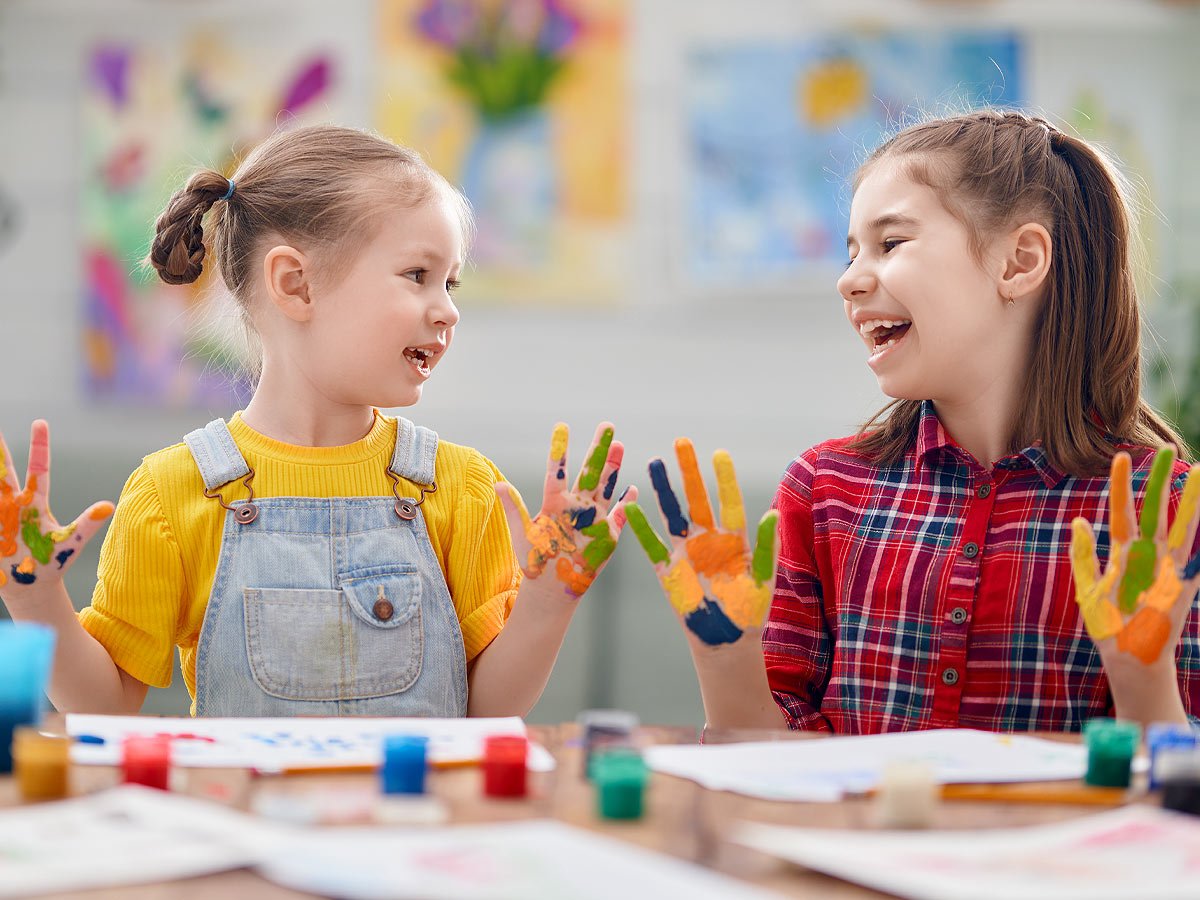
Young children often say their day was “good” and leave it there. Families gain much more from an update that explains what children were practicing. Instead of only sharing that the class painted with watercolors, a teacher might explain that students experimented with color mixing, practiced following a sequence, and talked about how artists make choices.
Photos can be helpful when used thoughtfully and in accordance with school policies, but the explanation matters just as much as the image. It helps families carry the learning into home conversations: “What colors did you mix today?” is more inviting than “What did you do at school?”
3. Family questionnaires that go beyond emergency contacts
At the start of the year, a thoughtful family questionnaire gives teachers a fuller picture of each child. It can ask about interests, comfort objects, family traditions, languages spoken at home, previous school experiences, and goals parents have for the year.
The key is using what families share. If a child loves building, a teacher can invite them to explain a block structure to classmates. If a family celebrates a holiday or speaks a language that is meaningful to them, the classroom can make room for that child’s identity in respectful, age-appropriate ways. Families notice when their knowledge is valued rather than collected and forgotten.
4. Conferences that focus on the whole child
A strong conference includes more than a list of academic benchmarks. Of course, families want to know how their child is progressing with letter sounds, early reading, writing, or math. They also need to hear about persistence, friendships, self-help skills, participation, and confidence.
The most useful conferences are conversations, not reports delivered in one direction. Teachers can share observations and examples of work, then ask families what they are seeing at home. Together, they can choose one or two manageable next steps. For a young child, a shared goal might be practicing independence at drop-off, retelling a favorite story, or using words to enter play with peers.
5. Home activities that feel inviting, not like homework
Family learning activities work best when they fit naturally into ordinary routines. Reading a picture book together, sorting socks by color or size, noticing letters on a grocery sign, or asking a child to help measure ingredients all reinforce early skills.
A school can offer optional ideas connected to classroom learning without creating pressure. Not every family has the same time, materials, or schedule. Flexible suggestions honor that reality while giving caregivers easy ways to participate. The goal is to extend joy and curiosity, not add another item to a family’s to-do list.
6. Family members sharing their interests and experiences
Children are fascinated by the real lives of the adults they trust. A family member might visit to read a favorite childhood book, demonstrate a hobby, share a cultural tradition, or talk simply about how they use problem-solving in their work.
These visits should be optional and broadly accessible. Some parents may have flexible daytime availability, while others do not. Recorded greetings, a sent-in photo with a short story, or a shared artifact can offer meaningful alternatives. What matters is helping children see their families as welcome contributors to the learning community.
7. Shared support plans when challenges arise
No child has a perfectly smooth year. A child may need extra help with transitions, frustration, attention, or early academic skills. Families deserve clear, compassionate communication when concerns arise, along with specific observations rather than vague labels.
For example, a teacher might explain that a child becomes discouraged when a task feels difficult, then share strategies that are helping at school: breaking work into smaller parts, offering a brief movement break, or praising effort before outcome. Families can tell the teacher whether similar approaches work at home. Consistency across settings can help a child feel more secure and capable.
8. Community gatherings with a clear welcome for every family
Seasonal celebrations, student showcases, reading mornings, and informal gatherings give families opportunities to connect with teachers and one another. These events are valuable not because every family attends every time, but because they create a sense that school is a shared community.
Accessibility deserves careful thought. Varying event times, avoiding unnecessary costs, offering simple formats, and welcoming grandparents or other caregivers can make participation possible for more people. A warm community is built when families do not have to fit one narrow definition of involvement.
What meaningful partnership looks like day to day
Effective family-school relationships are built through follow-through. If a teacher says they will check in after a difficult week, they do. If a family shares a concern, they receive a timely response. If a school invites feedback, it listens with respect, even when the answer cannot be an immediate change.
Communication should also be balanced. Families want to hear about concerns, but they should not only receive messages when something has gone wrong. A quick note about a kind choice, a determined effort, or a funny classroom insight reminds children and parents alike that growth is being noticed.
At The Winchester School, small class sizes and experienced teachers create room for the relationships that help young children feel known. Still, the most meaningful partnership begins with a shared belief: every child benefits when home and school approach learning with patience, curiosity, and confidence in what that child can become.
Choosing the right approach for your family
Not every family school partnership example will fit every household, and that is okay. Some families enjoy volunteering or attending events. Others may prefer a regular email update and a thoughtful conference. Participation can change from season to season as work schedules, family needs, and a child’s independence evolve.
The right school relationship should feel supportive, not performative. Look for teachers who make communication approachable, share both celebrations and concerns, and welcome your knowledge of your child. When children experience that kind of steady connection, they learn a powerful early lesson: they are surrounded by adults who see them, believe in them, and are ready to help them take the next step.