
A child carefully turning a puzzle piece, peeling a sticker from its backing, or working hard to zip a jacket is doing more than staying busy. These small movements build the hand control, coordination, and confidence children use throughout their school day. When families look for ways to strengthen fine motor skills, the most effective activities are often the familiar, playful ones woven into daily life.
For children ages 3 through 8, fine motor development is closely connected to growing independence. It supports drawing, writing, cutting, getting dressed, using classroom materials, and participating comfortably in creative projects. Progress does not need to be rushed. With encouragement, practice, and activities that feel enjoyable rather than demanding, children can build these skills at their own pace.
What Are Fine Motor Skills?
Fine motor skills are the small, precise movements made with the hands, fingers, and wrists. They rely on coordination between a child’s eyes and hands, along with strength and stability in the shoulders, arms, and core. Holding a crayon, threading a bead, opening a lunch container, and fastening a button are all examples.
These abilities develop gradually. A preschooler may make broad marks with a chunky crayon and use both hands together to explore play materials. By kindergarten and the early elementary years, many children are beginning to control pencils with greater purpose, cut along lines, form letters, and manage more of their personal belongings independently.
There is no single timetable that fits every child. Age, prior experiences, interests, and individual development all play a role. What matters most is noticing steady opportunities for practice and celebrating effort along the way.
Why Fine Motor Practice Matters for School Readiness
In an early childhood classroom, children use their hands all day long. They build with blocks, manipulate math tools, paint, write their names, turn pages, open containers, and work with classmates on projects. Fine motor confidence allows a child to focus more fully on an activity instead of becoming discouraged by the materials.
Hand strength and coordination also support early writing, but fine motor development should not be reduced to handwriting drills. Children need time to create, construct, sort, squeeze, twist, and experiment. Those playful experiences help make later pencil work feel more manageable.
At The Winchester School, hands-on learning gives children meaningful reasons to use these skills. A child may strengthen finger control while creating artwork, build hand-eye coordination during a game, or practice persistence while completing a puzzle. When learning feels purposeful and supported, children are more likely to keep trying.
Everyday Ways to Strengthen Fine Motor Skills
The best practice is often practice children do not recognize as practice. Instead of setting aside a long block of “skill work,” invite your child into small tasks that fit naturally into family routines.
Make Mealtimes More Hands-On
Mealtime offers many simple opportunities. Let children use tongs to place fruit on a plate, stir ingredients with a spoon, tear lettuce, spread a soft topping with a child-safe knife, or peel a banana. Opening snack containers, pouring water from a small pitcher, and using utensils also develop coordination and independence.
Start with tasks that match your child’s current ability. A young preschooler may enjoy transferring cotton balls with tongs, while an older child may be ready to measure ingredients or pack part of a lunch. The goal is participation, not perfection or a spotless counter.
Keep Art Materials Within Reach
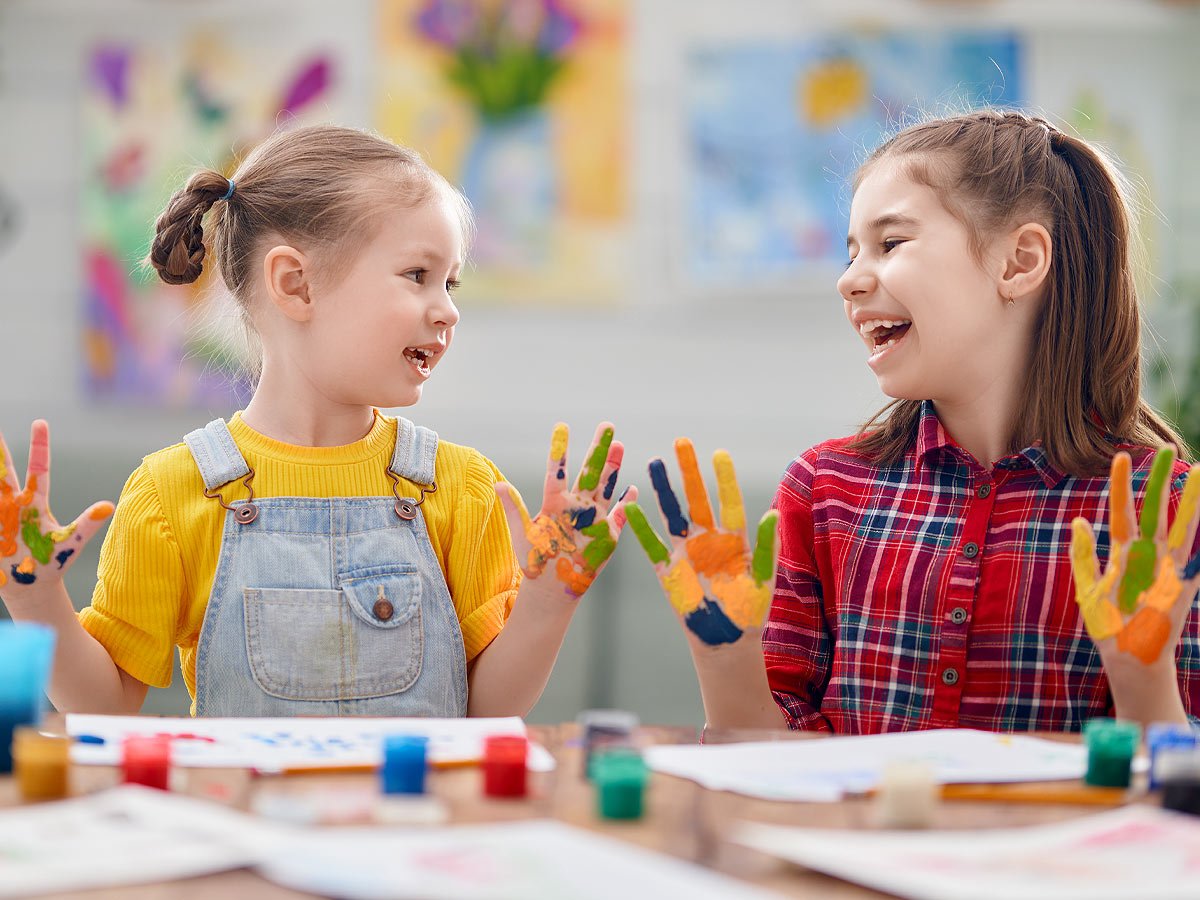
Crayons, washable markers, play dough, paper, stickers, and child-safe scissors can invite repeated practice without pressure. Encourage drawing for a real purpose: making a card for a grandparent, labeling a picture, designing a pretend menu, or creating a sign for a block structure.
Play dough is especially versatile. Children can roll it into snakes, pinch tiny pieces, flatten it with their palms, hide small objects inside, or use cookie cutters. These movements work the fingers and hands that children later use for writing and cutting.
When using scissors, begin with simple snipping. Strips of paper, play dough, or old greeting cards can be less frustrating than asking a child to follow a detailed shape. As control grows, offer thicker lines, curves, and eventually simple pictures to cut out. Stay nearby for safety and use scissors designed for children.
Build, Sort, Thread, and Connect
Construction toys, interlocking blocks, puzzles, lacing cards, and large beads all encourage children to coordinate both hands. These activities are valuable because they also involve planning, problem-solving, and patience.
A child who loves vehicles may enjoy building a garage from blocks. A child who prefers pretend play might set up a restaurant using play food, coins, and small containers. Following a child’s interests keeps the activity inviting and gives them a reason to return to it.
Household items can work well, too. Children can sort buttons by color, place clothespins around the edge of a container, match socks, or move small objects into an ice cube tray. Choose larger pieces for younger children and closely supervise any activity with small items.
Invite Children to Help With Dressing and Care Routines
Dressing is a practical form of fine motor practice. Pulling up a zipper, fastening snaps, opening and closing Velcro shoes, putting on socks, and practicing buttons all require coordination. These tasks can take extra time, especially during a busy morning, so it may help to practice them when there is no need to hurry.
Children also gain confidence when they are trusted with manageable responsibilities. Wiping a table, watering a plant with a small cup, folding washcloths, turning pages in a favorite book, or placing toys in bins develops control while reinforcing that they are capable members of the family.
Create a Supportive Practice Environment
Children make the most progress when adults notice effort, not just results. Rather than saying, “That is not how you hold it,” try, “You are working hard to control the crayon,” or “I see you kept trying that zipper.” Specific encouragement helps children connect persistence with growth.
The setup matters as well. A child who is seated with feet supported and materials at a comfortable height will have an easier time using their hands. Very long activities can be tiring, particularly for younger children. Ten focused, enjoyable minutes of coloring, building, or play dough may be more useful than pushing through a task after frustration begins.
It also helps to offer choices. Ask whether your child would rather draw, build, or use stickers. Choice gives children a sense of ownership, while you still provide the kinds of experiences that support development.
When a Child Seems Frustrated
Some frustration is a normal part of learning. If a task is difficult, make it smaller. Hold the paper while your child practices cutting, start a zipper and let them finish it, or use thicker crayons and larger puzzle pieces. A little support can turn “I can’t” into a successful next step.
If you consistently notice that your child avoids using one hand, has unusual difficulty with everyday tasks, becomes distressed by activities peers manage comfortably, or is not making progress over time, share your observations with your child’s teacher and pediatrician. They can help you understand what is typical for your child and whether additional support, such as an occupational therapy evaluation, may be helpful.
Most of all, let fine motor development remain connected to joy. A painted page, a carefully built tower, or a proudly buttoned coat represents more than a finished task. It is a child discovering, one small movement at a time, that their hands can help them participate, create, and care for themselves in the world.