
A three-year-old who needs an extra minute at drop-off, a kindergartener ready to sound out a new word, and a second grader finding the courage to raise a hand all need something more than a place to spend the school day. They need to be known. For families weighing why choose small schools, that sense of being seen is often where the answer begins.
In the early years, children are building far more than academic skills. They are learning how to join a group, ask for help, recover from disappointment, make choices, and trust their own growing abilities. A smaller school setting can give teachers and families the time, communication, and continuity needed to support those milestones with care.
Why Choose Small Schools in the Early Years?
Small schools are not simply larger schools with fewer children in each room. At their best, they create a different daily experience. Teachers can observe more closely, respond more personally, and build relationships that help children feel secure enough to try new things.
For young learners, that security matters. A child who feels comfortable with their teacher is more likely to participate in morning meeting, attempt a challenging activity, or tell an adult when something feels hard. When children are still learning to manage big feelings and new routines, a familiar, responsive classroom can become a steady foundation.
This does not mean every child needs the same type of school. Some children thrive in a larger environment with many activities and peers. Families may also have practical needs around location, schedules, or available programs. But for parents seeking a close-knit early learning community, small schools offer meaningful advantages that extend well beyond class size.
Children Receive Attention That Is Personal, Not Generic
Every young child develops at a different pace. One Pre-K student may be eager to tell elaborate stories but still be learning how to separate comfortably at the classroom door. Another may recognize many letters yet need support entering play with classmates. In a small setting, teachers have more opportunities to notice these details and respond thoughtfully.
Individualized attention is not about pushing children ahead before they are ready. It is about meeting them where they are. A teacher may offer a different book, repeat a direction in a quieter moment, invite a hesitant child into a hands-on activity, or provide an added challenge for a student who is ready. These small decisions, repeated day after day, help children build confidence alongside skills.
Smaller classes also make it easier for teachers to see patterns. If a child is unusually quiet, frustrated by transitions, or suddenly reluctant to join an activity they once enjoyed, a teacher who knows that child well is more likely to recognize the change early. That awareness gives families and educators a chance to work together before a small concern becomes a larger one.
Strong Relationships Help Children Take Healthy Risks
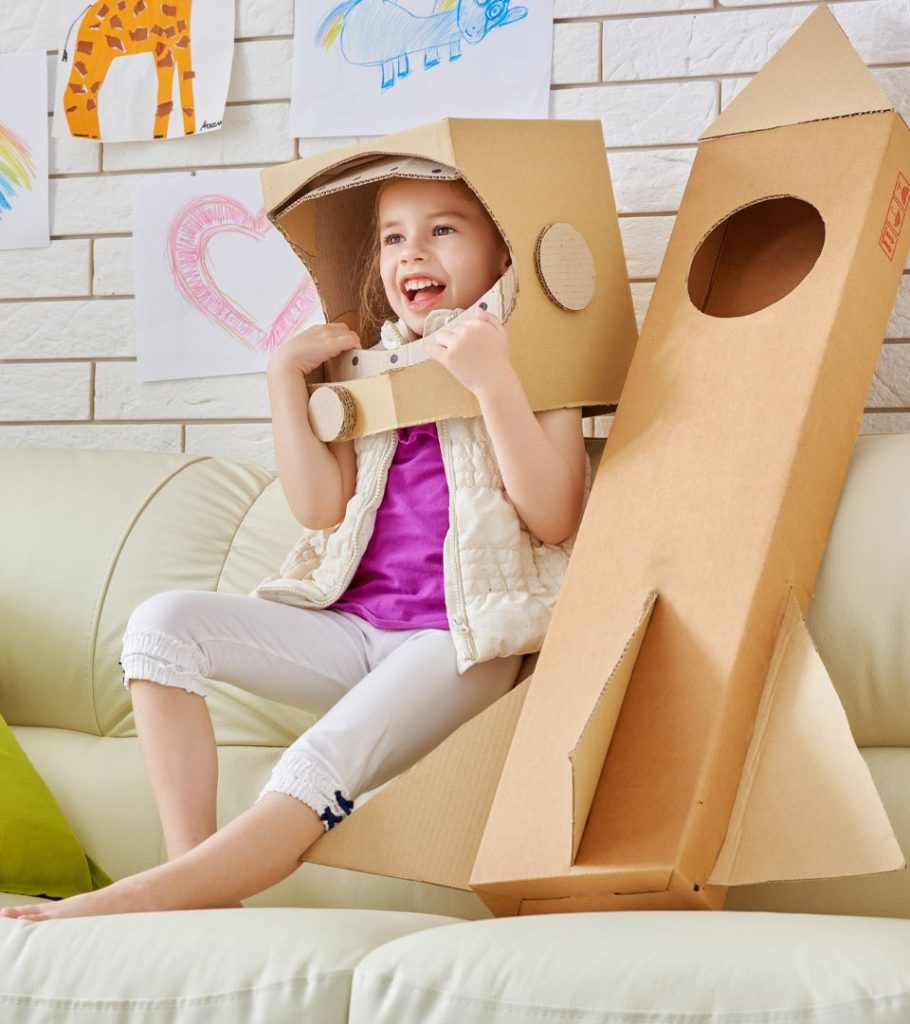
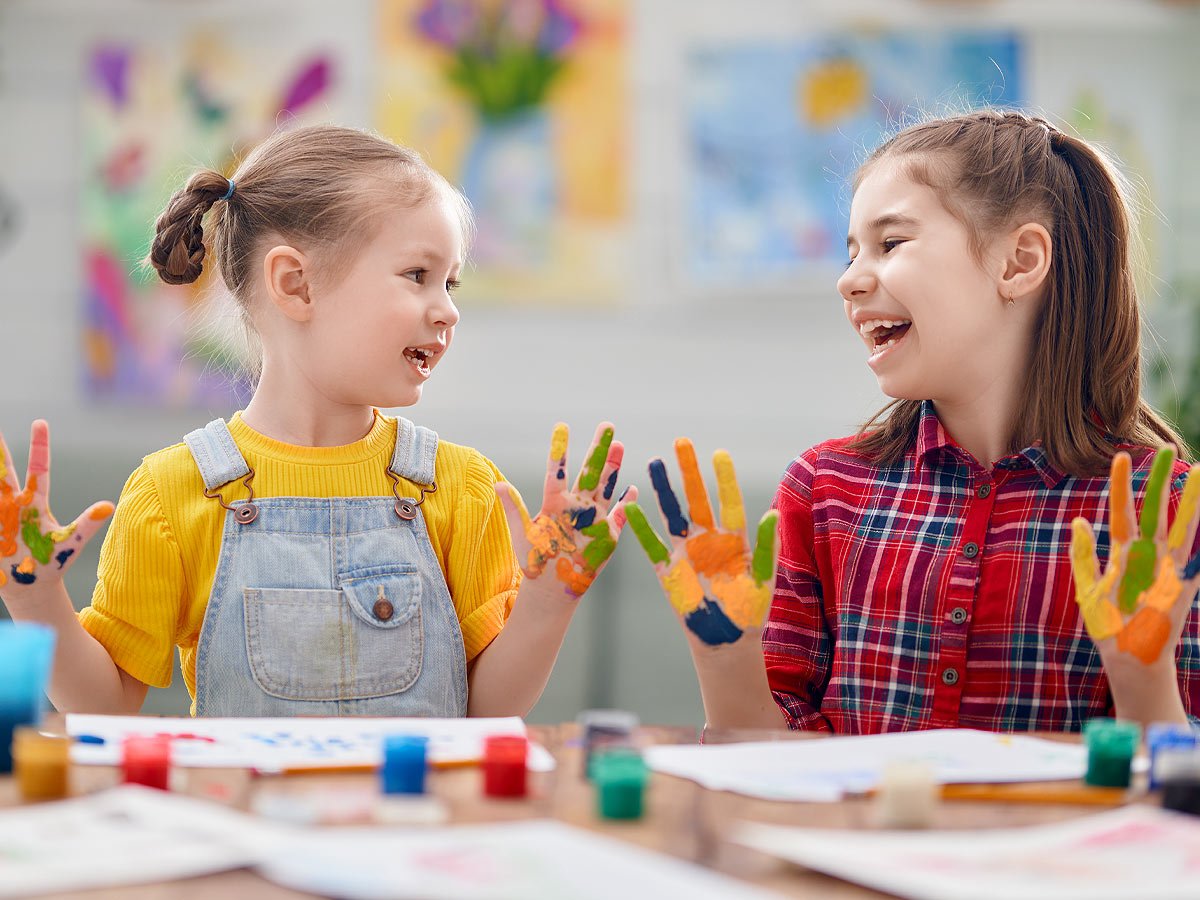
Learning requires courage. For a young child, courage may look like trying a new material at the art table, speaking during group time, reading aloud, or returning to a puzzle after it did not work the first time.
Children are more willing to take those healthy risks when they know mistakes will be met with patience and guidance. In a small school community, teachers can build the kind of trust that helps a child say, “I can’t do it yet,” without feeling embarrassed. That one word, yet, can shape how a child approaches learning for years to come.
Relationships among classmates matter, too. A smaller group can give children more chances to practice friendship skills with adult support. They learn how to wait for a turn, use words to solve a disagreement, include someone in play, and recognize another person’s point of view. These are not side lessons. Social-emotional growth is part of the work of early education.
Families Become Genuine Partners
For parents of children ages three through eight, school communication should not feel like a once-a-semester event. Families want to know how their child is adjusting, what they are excited about, and where they may need encouragement at home.
A small school often makes communication more natural because teachers and families know one another. Brief conversations at arrival or dismissal can provide useful context. A teacher might share that a child proudly used a new strategy during math, or a parent might mention that a child has been worried about a change at home. When information moves both ways, children receive more consistent support.
This partnership is especially valuable during transitions. Starting Pre-K, moving into Kindergarten, or beginning first grade can bring both excitement and uncertainty. Families benefit from educators who can explain what their child is experiencing developmentally and offer practical reassurance rather than a one-size-fits-all response.
At a community-centered school, parents also have opportunities to know the people caring for their children and to connect with other families. Over time, school can become a place where children see the adults in their lives working together on their behalf.
A Small Community Can Create Lasting Continuity
Young children find comfort in predictable relationships and routines. At a smaller school, they may see familiar faces across classrooms, at special events, and throughout the school day. Older students can feel like role models, while younger children begin to imagine themselves growing into new responsibilities.
Teacher continuity can be equally meaningful. Experienced educators who remain part of a school community over many years develop a deep understanding of its children, families, and values. They know what a successful transition into the next classroom looks like, and they can help children move forward with confidence.
This continuity does not mean a small school is insulated from change or new ideas. A strong school continues to refine its teaching, introduce engaging materials, and respond to the needs of each new group of students. The difference is that growth happens within a stable, caring environment.
Academics and Joy Can Belong Together
Parents sometimes worry that a nurturing environment will not be academically challenging enough. In fact, the right early program does not ask families to choose between warm relationships and meaningful learning. Children can explore, create, move, ask questions, and still develop essential foundations in literacy, math, problem-solving, and communication.
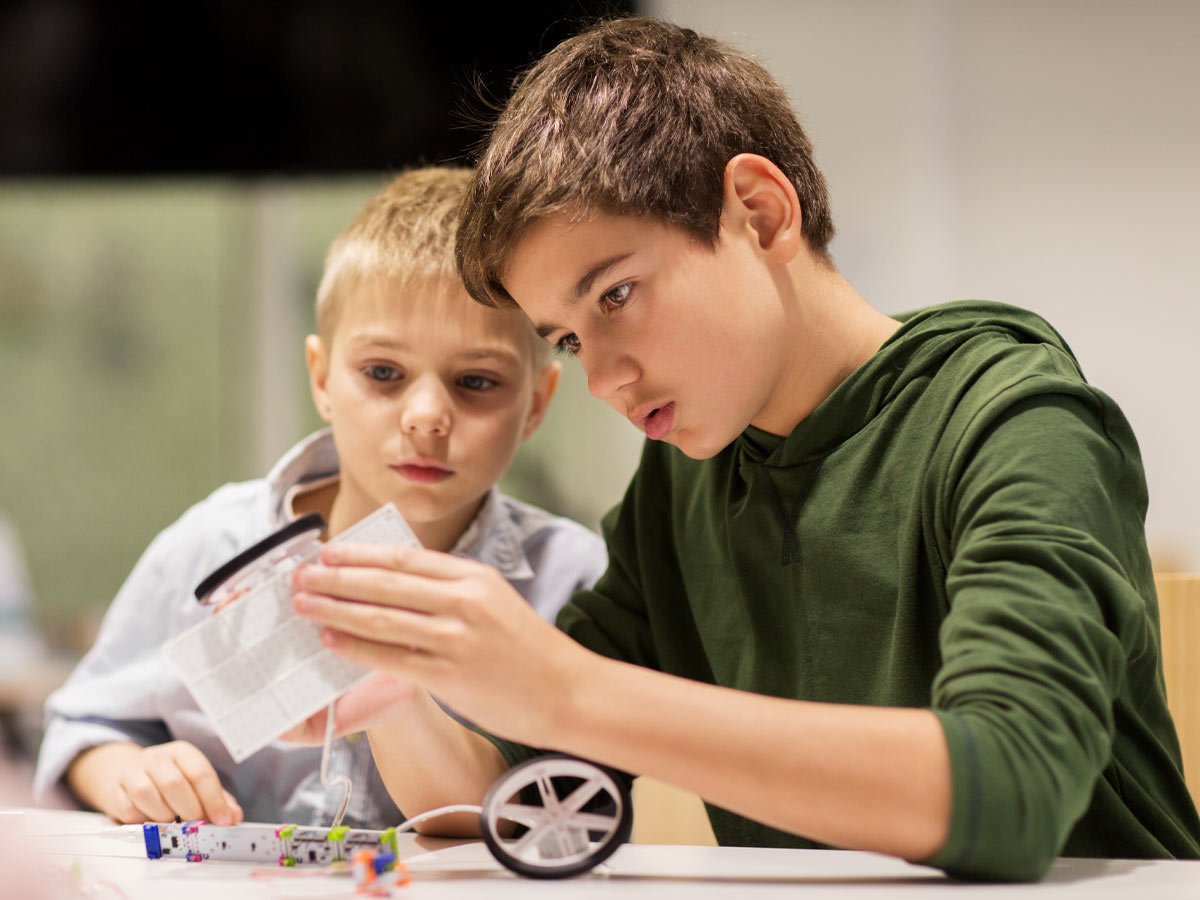
Small schools can make that balance easier to maintain. Teachers can incorporate hands-on learning while paying attention to each child’s readiness. They can turn a child’s interest in building into a lesson about measurement, invite a group to act out a story to strengthen comprehension, or use a science observation to develop new vocabulary.
The goal is not to make young children perform like older students. It is to help them become joyful learners who see themselves as capable. When foundational academics are taught with care and purpose, children gain skills without losing their natural curiosity.
What to Look for During a School Visit
Class size matters, but it is not the only question to ask. A small enrollment alone does not guarantee a personalized experience. As you visit schools, listen for how educators describe children and watch how adults interact with them.
Notice whether teachers speak to children with warmth and clear expectations. Ask how the school supports a child who needs more challenge, more reassurance, or more time. Learn how families receive updates and how teachers approach social-emotional development. It is also helpful to ask about staff experience and how the school helps children move confidently from one grade to the next.
Most of all, pay attention to the feeling in the room. Are children comfortable approaching their teachers? Are they engaged in purposeful work and play? Does the environment feel calm, welcoming, and appropriately structured? Those observations often reveal more than a brochure can.
For more than five decades, The Winchester School has welcomed young children into a warm learning community where academic growth, creativity, and personal connection belong together. The right school will help your child feel safe enough to be themselves and supported enough to discover what they can do next.