
A child who proudly shows you a tower they built, a painting they mixed themselves, or the first letter in their name is doing more than staying busy. They are building the confidence to try, communicate, and keep learning. The best preschool enrichment activities make room for these meaningful moments while supporting the academic, social, and emotional skills young children need most.
For children ages 3 and 4, enrichment should not feel like extra work added to an already full day. It should feel like purposeful play: engaging experiences that invite children to ask questions, use their hands, share ideas, and discover what they can do. When thoughtfully woven into a preschool day, these activities help joyful learners grow in ways that worksheets alone cannot.
What Makes Preschool Enrichment Meaningful?
Preschool enrichment is often described as an “extra,” but at this age, it is part of a well-rounded education. A strong activity connects to a child’s development and gives them an active role. Rather than simply watching an adult demonstrate something, children get to test, create, move, talk, and reflect.
The most valuable experiences also have room for different ability levels. One child may count the blocks in a bridge, while another experiments with balance and shape. Both are learning. Small-group settings and attentive teachers make it easier to notice these individual strengths and offer the right amount of encouragement or challenge.
Families do not need to fill every afternoon with classes to provide enrichment. Children benefit from repetition, unhurried play, rest, and connection at home, too. The goal is not a crowded schedule. It is a thoughtful balance of experiences that helps a child feel capable and curious.
Best Preschool Enrichment Activities for Whole-Child Growth
1. Open-Ended Art Experiences
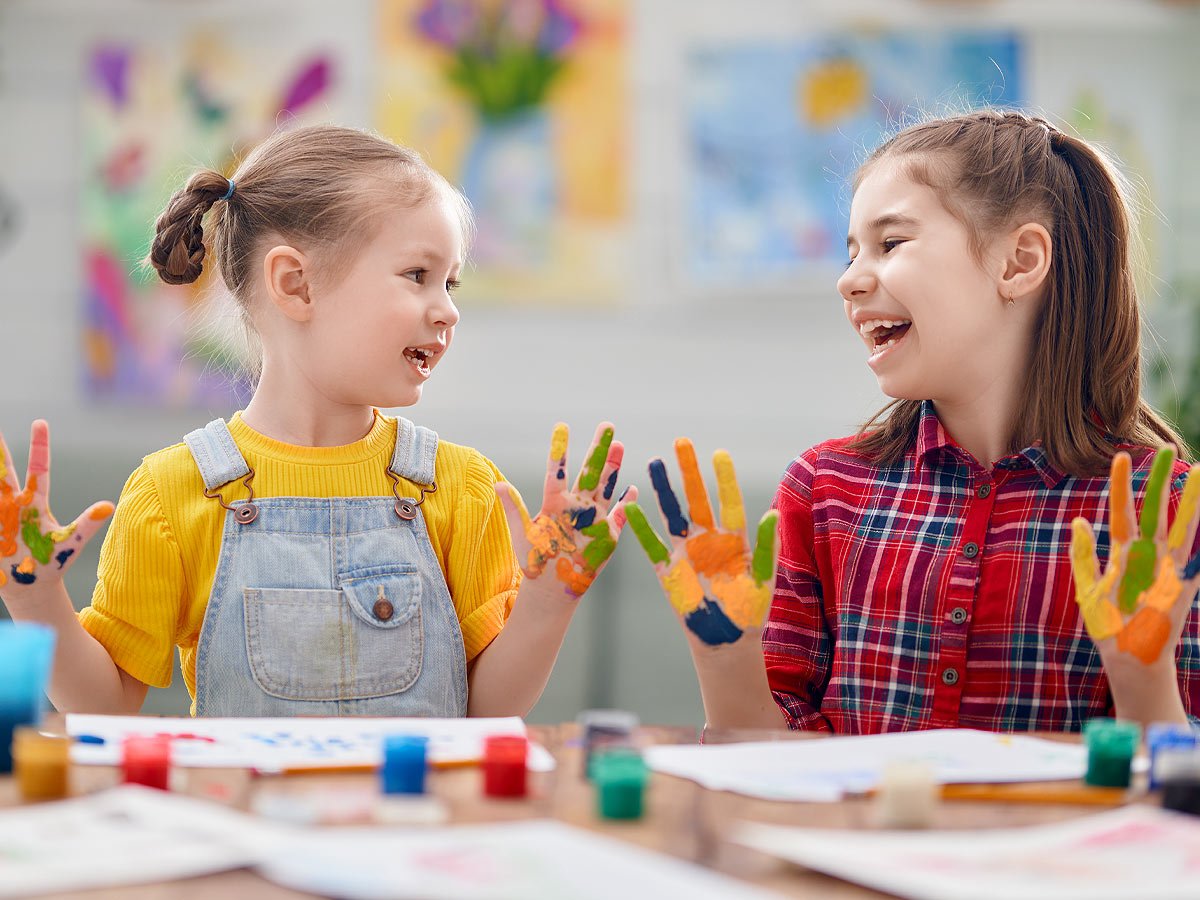
Art is a natural way for preschoolers to make choices and express ideas. Offer materials such as washable paint, crayons, collage paper, clay, chalk, and large sheets of paper, then let the child decide what to create. A project does not need to look like a particular sample to have value.
As children squeeze glue, tear paper, roll clay, and hold a paintbrush, they strengthen the small muscles needed later for writing and other self-care tasks. They also practice planning and persistence. A teacher or parent can extend the learning with simple observations: “You used two shades of blue,” or “Tell me about this part of your picture.”
2. Music, Rhythm, and Movement
Songs, fingerplays, dance, and simple instruments bring language and movement together. Clapping a pattern, marching to a beat, or stopping and starting with music builds listening skills, body awareness, and self-control. These experiences are especially helpful for young children who learn best when they can move.
Music also creates community. When children sing together, take turns with instruments, or follow a group movement game, they practice participating in a shared experience. The point is not perfect pitch or polished performance. It is confidence, attention, and the joy of contributing.
3. Nature Exploration and Garden Care
A walk outside can become a rich learning experience when children are invited to look closely. They might collect fallen leaves, compare smooth and rough textures, notice insects, or listen for birds. A small classroom garden adds an ongoing responsibility: watering, observing changes, and patiently waiting for growth.
Nature activities introduce early science in a concrete way. Children begin to notice patterns, make predictions, and use descriptive language. “Why is this leaf different?” is a more meaningful starting point than memorizing facts. Outdoor exploration also gives preschoolers needed opportunities for active, full-body play.
4. Building and Engineering Play
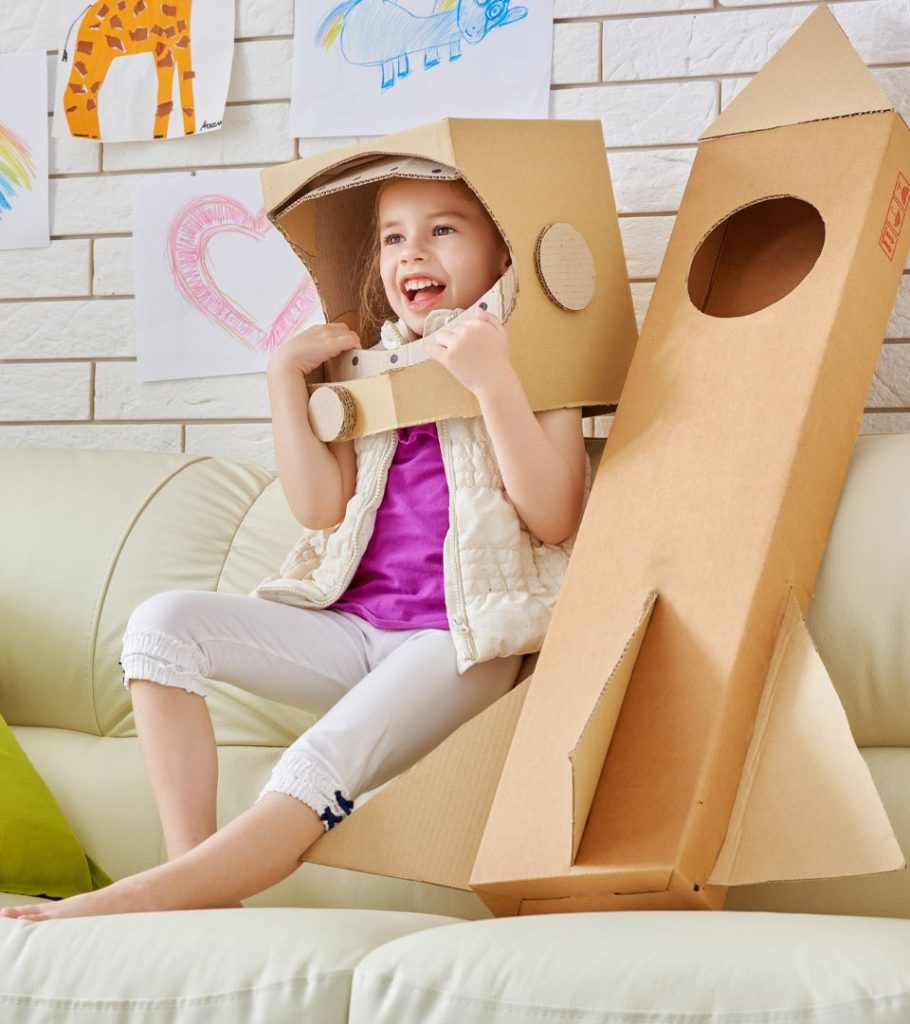
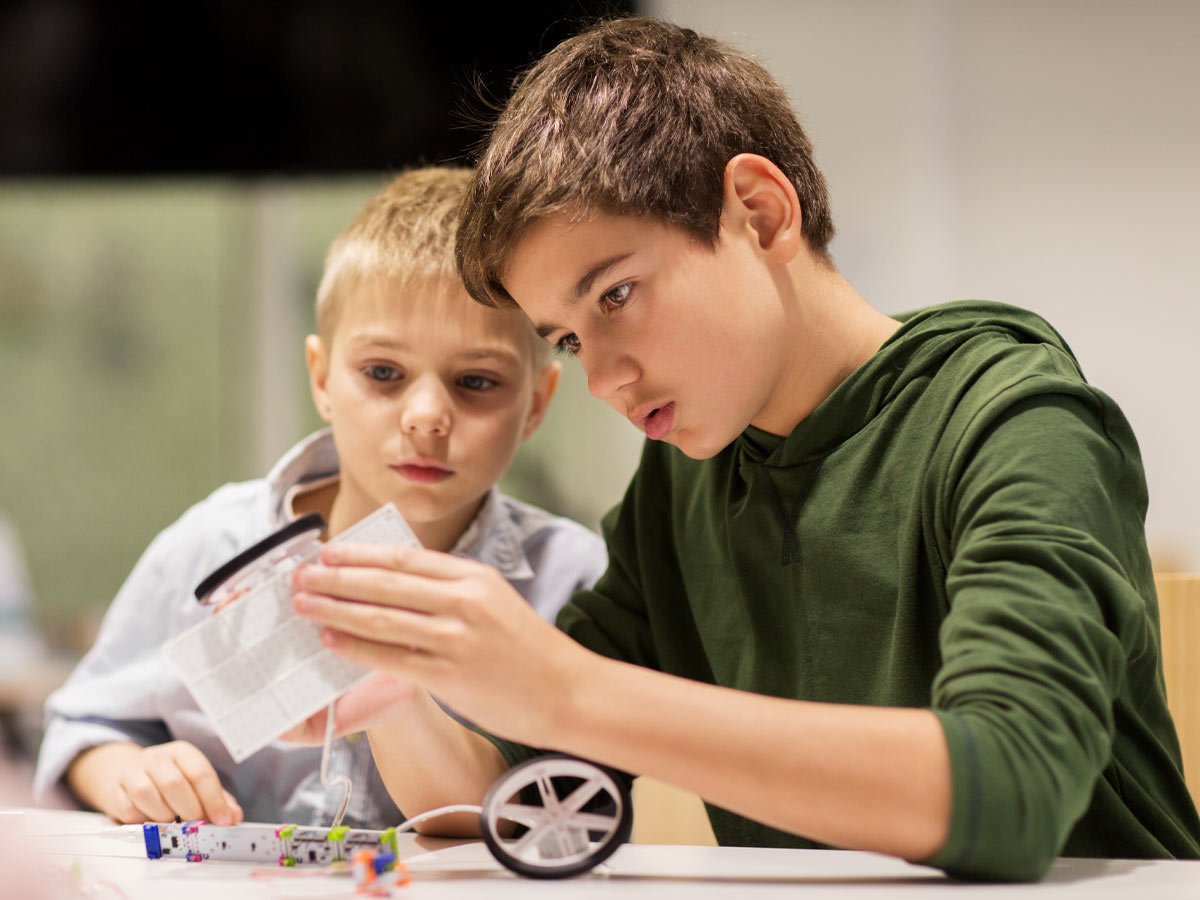
Blocks, magnetic tiles, cardboard tubes, wooden planks, and recycled boxes invite children to solve problems with their hands. A child building a ramp is exploring cause and effect. A child trying to make a structure stand taller is learning about balance, design, and resilience after a collapse.
Building alongside peers adds a social dimension. Children must explain a plan, negotiate over materials, and find ways to continue when ideas differ. Adults can support without taking over by asking questions such as, “What could make the base stronger?” or “How will the cars get across?”
5. Dramatic Play and Storytelling
A pretend grocery store, veterinarian’s office, restaurant, or family home may look simple, but it gives children a chance to try on roles and make sense of the world around them. They use new vocabulary, create storylines, and practice empathy as they imagine another person’s perspective.
Dramatic play can also support early literacy. Children may make a menu, write a shopping list with letter-like marks, read a recipe, or retell a favorite book with puppets. These are early, meaningful reasons to use print and language. They help children understand that reading and writing are useful tools for communicating ideas.
6. Cooking and Food Preparation
Simple food preparation is an engaging way to connect math, science, language, and independence. Preschoolers can wash fruit, tear lettuce, spread a topping, scoop ingredients, or help count crackers. With close adult supervision, these tasks teach sequencing: first we wash, then we prepare, then we enjoy.
Cooking is also a gentle way to encourage children to explore unfamiliar foods without pressure. A child may not taste a vegetable the first time, but touching, smelling, sorting, or helping prepare it is still a positive step. Because food traditions are personal, inclusive cooking experiences should welcome the many cultures and preferences represented in a school community.
7. Sensory Play With a Purpose
Water tables, sand, dough, rice bins, and other sensory materials can help children focus, experiment, and use descriptive language. Scooping, pouring, sifting, and molding support fine motor development while introducing concepts like full and empty, heavy and light, more and less.
Sensory play works best when it is calm, supervised, and adapted to each child. Some children enjoy messy materials immediately, while others need time or prefer a tool instead of direct touch. There is no need to insist that every child participate in the same way. Respecting comfort levels helps children build trust as well as confidence.
8. Cooperative Games and Social-Emotional Practice
Preschoolers are still learning how to wait, recover from disappointment, ask for a turn, and express frustration safely. Games that emphasize working together can make these skills more approachable. Children might pass an object around a circle, complete a puzzle as a group, or work together to move a ball across a space.
Adults play an important role by naming what is happening without judgment. “You wanted the red truck, and it was hard to wait,” validates the child’s feeling while guiding them toward a next step. Over time, repeated practice helps children develop the emotional language and self-regulation that support friendships and classroom learning.
How to Choose Enrichment Activities for Your Child
When considering activities, start with your child rather than the latest trend. Think about what draws their attention. Do they hum through the day, build elaborate structures, notice every bug on the sidewalk, or spend long stretches acting out stories? Interests offer useful clues, but children also benefit from gentle exposure to new kinds of play.
Look for experiences led by adults who understand early childhood development. Preschool enrichment should be age-appropriate, welcoming, and flexible enough to honor different learning styles. A child who needs extra time to join a group, for example, should be supported rather than rushed. A child ready for a bigger challenge should have opportunities to extend their thinking.
Consistency matters, too. A familiar rhythm of art, outdoor play, music, stories, and hands-on discovery gives children security. Within that steady structure, fresh materials and thoughtful questions keep learning alive. At The Winchester School, this balance helps children experience both the comfort of a caring community and the satisfaction of growing independence.
A Strong Start Is Built in Small Moments
The most memorable preschool experiences are often wonderfully ordinary: mixing colors at an easel, caring for a seedling, singing with friends, or trying once more after a block tower falls. These moments tell children, “Your ideas matter, and you can keep going.” That message is a powerful foundation for school and for life.