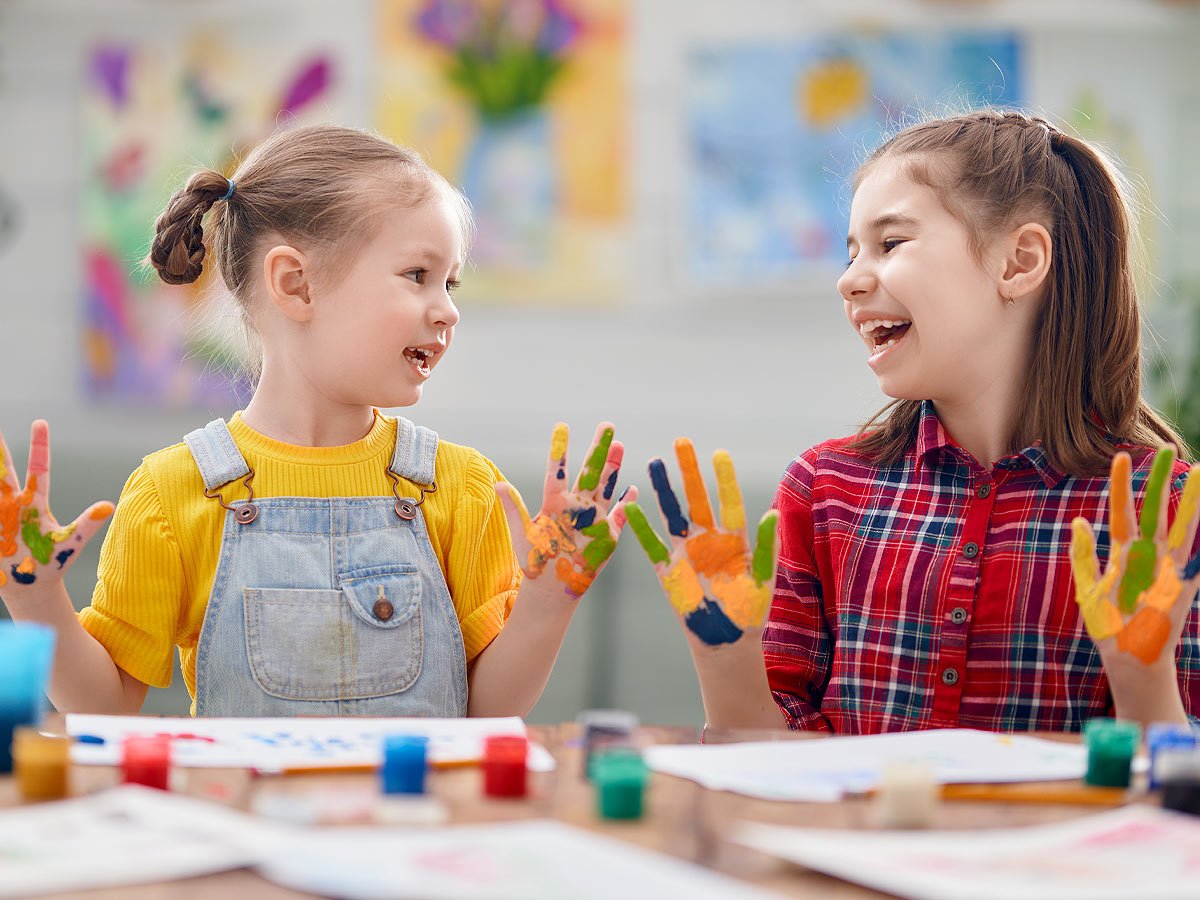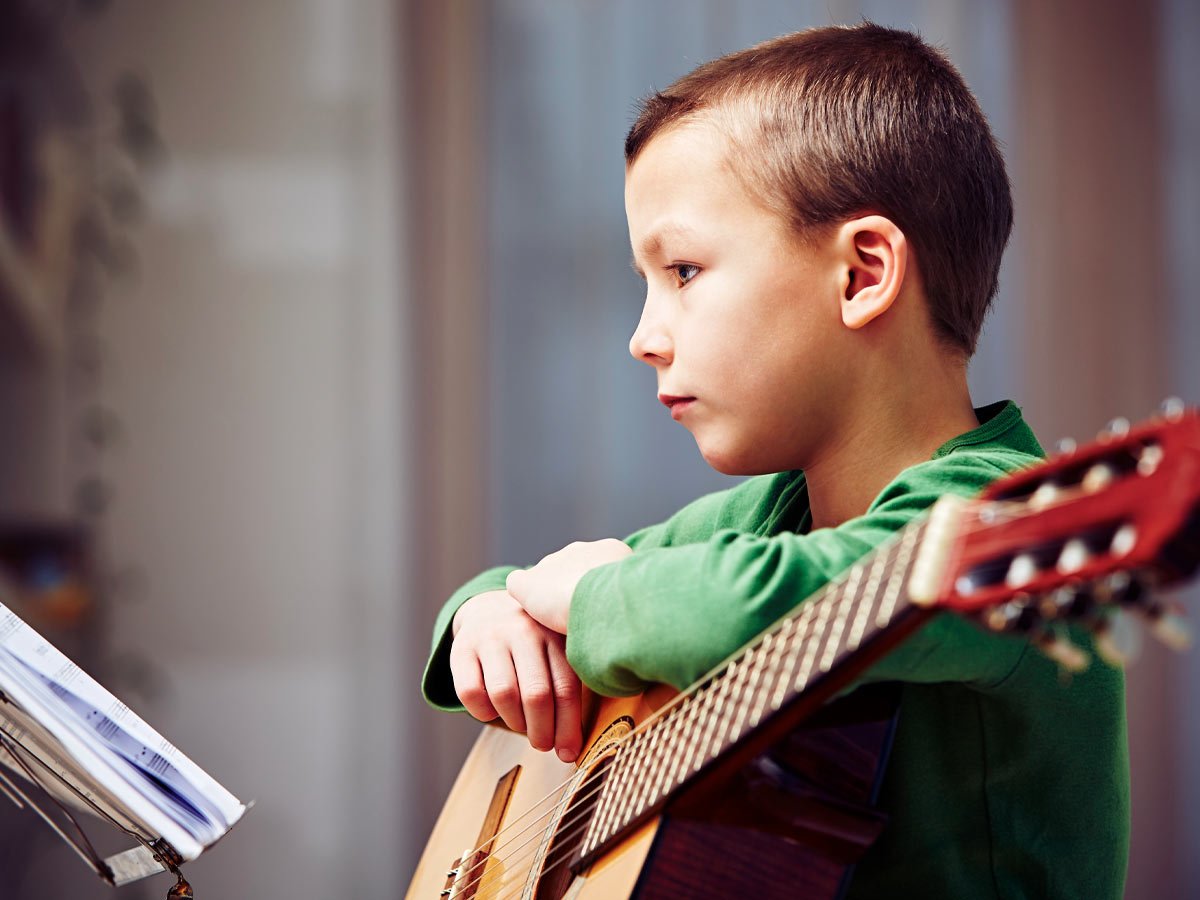

A three-year-old may not tell you that a classroom feels rushed, impersonal, or too loud. They will show you in other ways: by hesitating at drop-off, becoming unusually quiet, or coming home with little to share. The best early childhood education programs pay close attention to these small but meaningful signals. They create a setting where children feel known, capable, and ready to participate.
For families choosing a preschool, pre-K, or early elementary program, the decision is about far more than a daily schedule. These years shape how children see school, build friendships, handle challenges, and begin to trust their own abilities. A strong program offers both a caring welcome and purposeful learning, so children can grow with confidence.
What the Best Early Childhood Education Programs Have in Common
There is no single school model that works for every child or family. Some children thrive with more structure; others need additional time to warm up, move, and learn through hands-on discovery. Still, the strongest programs tend to share several essentials: experienced educators, developmentally appropriate expectations, meaningful family communication, and a classroom culture built on respect.
The goal is not to make young children perform like older students. It is to give them a secure foundation for the next stage of learning. When early education is thoughtfully designed, children build early literacy and math skills while also practicing patience, curiosity, independence, and kindness.
Teachers who know each child well
At this age, relationships are part of the curriculum. Children learn more readily when they trust the adults guiding them. Look for teachers who greet children warmly, notice changing needs, and can describe each child’s interests and progress with specificity.
Teacher experience matters, but so does consistency. A school with long-tenured educators often offers something especially valuable to young families: stability. Teachers who have spent years in a school community understand its routines, work closely with one another, and bring a calm confidence to the classroom. Children benefit from predictable care, and parents benefit from seeing familiar, trusted faces over time.
During a tour, listen to how teachers speak to children. Are they patient and clear? Do they get down to a child’s level? Do they encourage children to try again rather than immediately taking over? Those everyday interactions reveal far more than a brochure can.
Small classes and individualized attention
Young children need adults who can notice the details. A child may be eager to talk about dinosaurs but reluctant to hold a pencil. Another may recognize letters easily but need support joining a group activity. In a smaller class, teachers have more opportunity to respond to these individual patterns of growth.
Small class sizes do not mean children are sheltered from challenge. In fact, they often make meaningful challenge more possible. A teacher can offer an extra prompt to the child ready for a new reading task, provide a different way to practice counting, or help a child work through a frustrating social moment before it becomes overwhelming.
Ask not only about enrollment, but also about the adult-to-child ratio and how support is provided when a child needs extra encouragement. The answer should be practical and thoughtful, not vague.
Learning that respects childhood
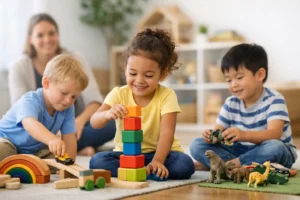
A quality early education program balances foundational academics with play, movement, conversation, art, music, and exploration. Children learn best when new ideas have purpose. Counting becomes more meaningful while setting a table for a pretend restaurant. New vocabulary sticks when it is connected to a class science project, a story, or a lively discussion.
Developmentally appropriate learning is not less rigorous. It is rigorous in the right way for young minds. Children should have opportunities to listen, follow directions, recognize patterns, work with language and numbers, and build early writing skills. They should also have time to ask questions, make choices, create, and play.
Be cautious of programs that present worksheets or early acceleration as the clearest measure of success. A child who can recite facts but feels anxious about school is not receiving the full benefit of early education. The strongest classrooms support academic readiness alongside the habits that make learning sustainable: focus, resilience, curiosity, and joy.
Look for Social-Emotional Learning in Everyday Moments
Social-emotional growth is sometimes described as a separate part of a school day. For young children, it happens all day long. It is present when a child waits for a turn, uses words after a disagreement, asks for help, or returns to a task that felt difficult.
A caring program teaches these skills directly and consistently. Teachers help children name feelings, practice problem-solving, and understand that mistakes are part of learning. They also set clear, age-appropriate boundaries. Warmth and structure work together. Children feel safest when they know what is expected and trust that adults will guide them fairly.
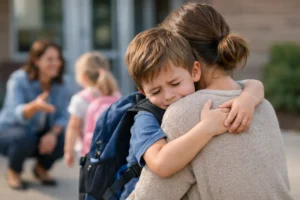
Parents can ask how a school handles common situations: separation at drop-off, conflict between classmates, a child who is slow to join a group, or a child who becomes frustrated. There is no perfect answer for every moment, but a strong school will have an approach grounded in patience, communication, and partnership with families.
Family Partnership Should Feel Personal
Choosing a school means inviting new adults into your child’s daily life. Open communication should not be an afterthought. Families deserve to know what their children are learning, how they are settling in, and where they may need support.
The most supportive school-family relationships go beyond formal conferences. They include regular updates, accessible teachers and administrators, and conversations that honor parents’ knowledge of their own child. When home and school share information, children experience greater continuity. A teacher may learn that a new sibling has arrived or that a child is especially interested in space. A parent may gain a helpful strategy for supporting independence at home.
Community matters, too. Early school years can introduce families to lasting friendships and a network of neighbors who understand the daily rhythms of raising young children. Look for a school that welcomes parents as valued members of the community while maintaining a focused, secure learning environment for students.
Questions to Ask During a School Tour
A tour is your opportunity to move beyond general promises and see how a program operates. Notice the atmosphere in the classrooms. Children do not need to be silent to be learning. Productive early childhood classrooms often have conversation, movement, and occasional bursts of excitement. What matters is whether the environment feels purposeful, organized, and emotionally safe.
Consider asking these questions:
- How do teachers assess each child’s academic and developmental progress?
- What does a typical day include besides reading and math instruction?
- How do teachers help children with transitions, friendship skills, and big feelings?
- What is the average class size, and how many adults are present?
- How often will families hear from teachers, and how are concerns addressed?
- How does the program support children as they move from pre-K to kindergarten or into the early elementary years?
Pay attention to the answers, but also to how the school makes you feel. Are questions welcomed? Does the staff speak about children with care and respect? Can you picture your child being greeted by name and encouraged to grow at their own pace?
Think Beyond the First Year
A school may be a good fit for the coming fall, but it is helpful to consider the years that follow. Continuity can be especially reassuring for young children. When a school offers a thoughtful path from pre-K through the early elementary grades, children can deepen their confidence within a familiar community while taking on new academic challenges.
This does not mean every child should remain in one setting indefinitely. Family needs change, and children develop in different ways. Still, a school with a clear progression can reduce the number of major transitions during a formative period. It allows teachers to build on what children already know and gives families a consistent partner as expectations grow.
For more than five decades, The Winchester School has helped local families seek this balance of academic purpose, personal attention, and a warm community for children in their earliest school years.
The right program will not promise that every day will be easy. It will show you how caring teachers, thoughtful routines, and a strong family partnership can help your child meet each new day feeling safe, seen, and ready to learn.