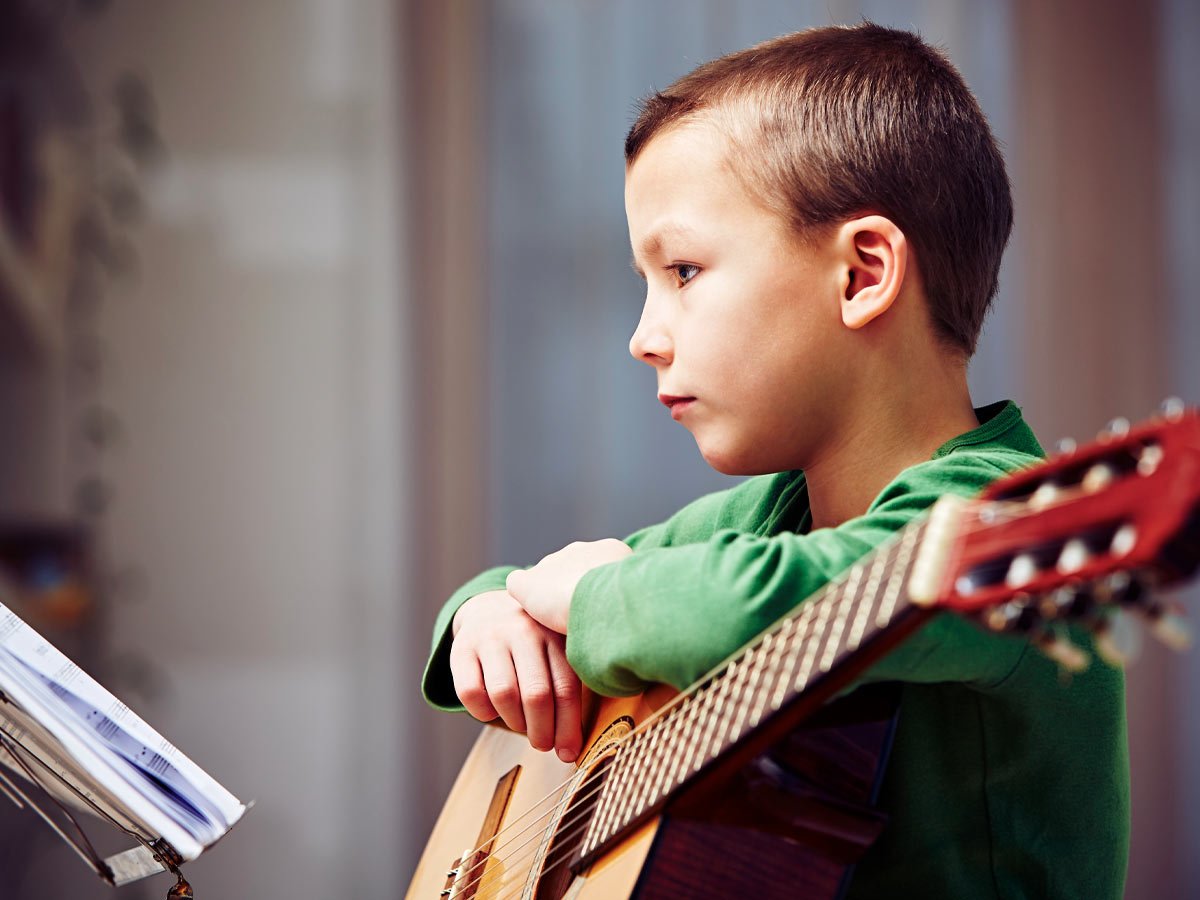

A child’s first school experience can shape how they feel about learning for years to come. For families considering early childhood education Maryland options, the question is rarely just, “Will my child learn letters and numbers?” Parents also want to know: Will my child feel known? Will their teacher notice when they need encouragement? Will school be a place where curiosity, confidence, and kindness can grow together?
The strongest early learning environments make room for all of those needs. They offer children a dependable daily rhythm, caring relationships, and meaningful academic experiences that build a foundation for the years ahead.
What Young Children Need From School
Children ages 3 through 8 are learning far more than academic facts. They are practicing how to join a group, share an idea, recover from frustration, ask for help, and take pride in completing something on their own. These skills are not separate from learning. They make learning possible.
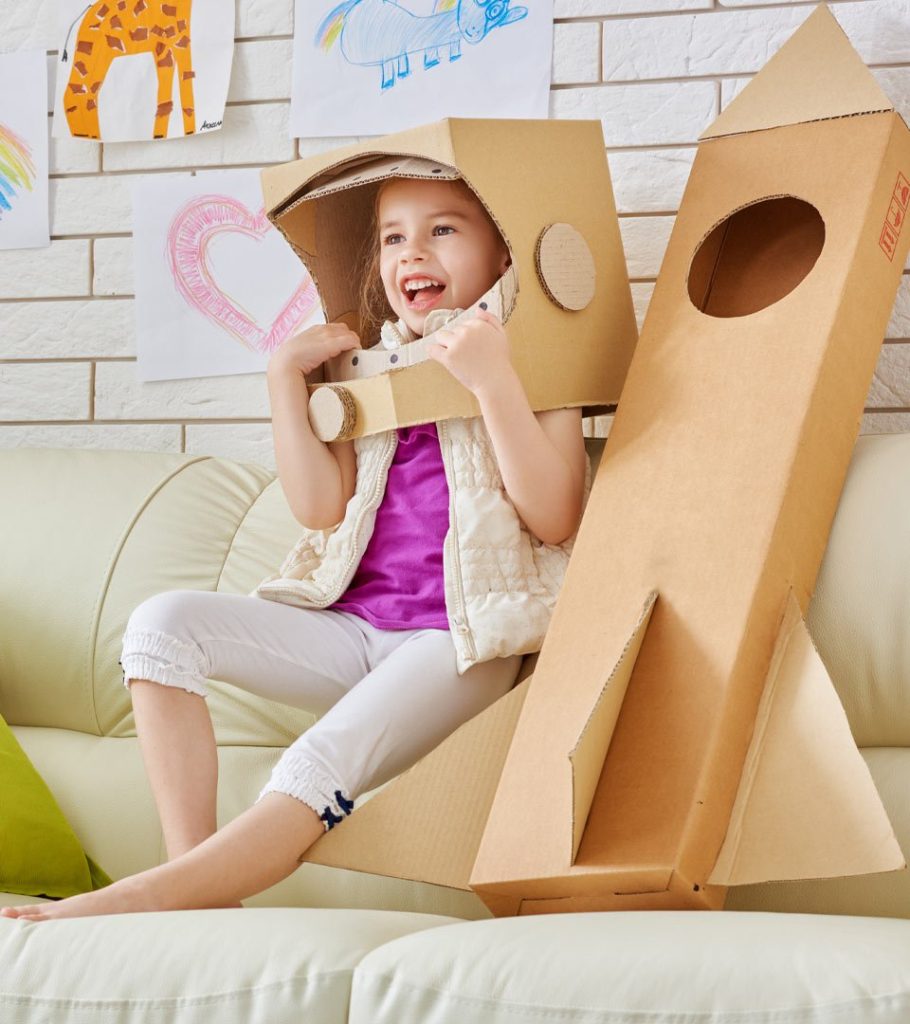
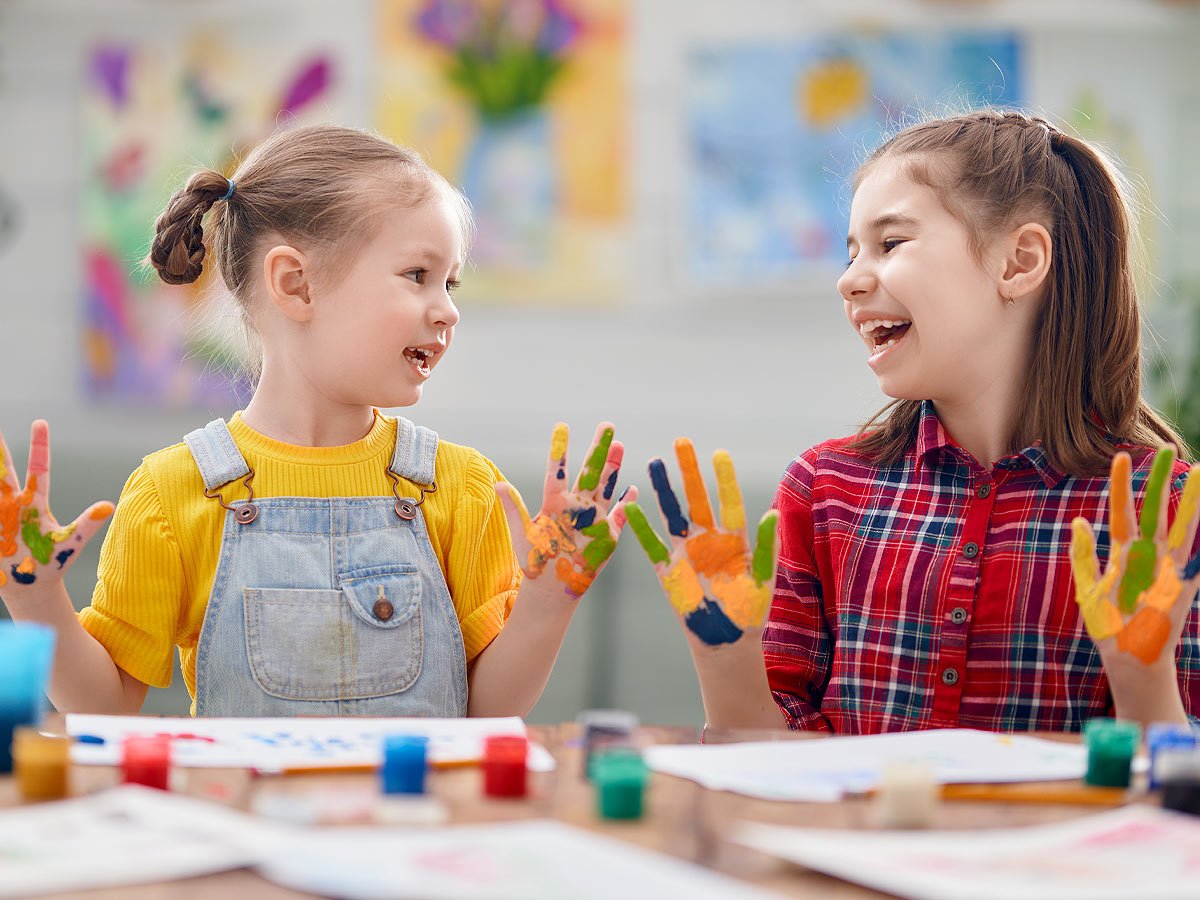
A thoughtful early childhood program balances structure with discovery. Children benefit from knowing what to expect each day: a welcoming arrival, time to learn together, opportunities to play and create, movement, meals, rest when appropriate, and a calm goodbye. Within that routine, they need room to explore materials, ask questions, and follow a growing interest.
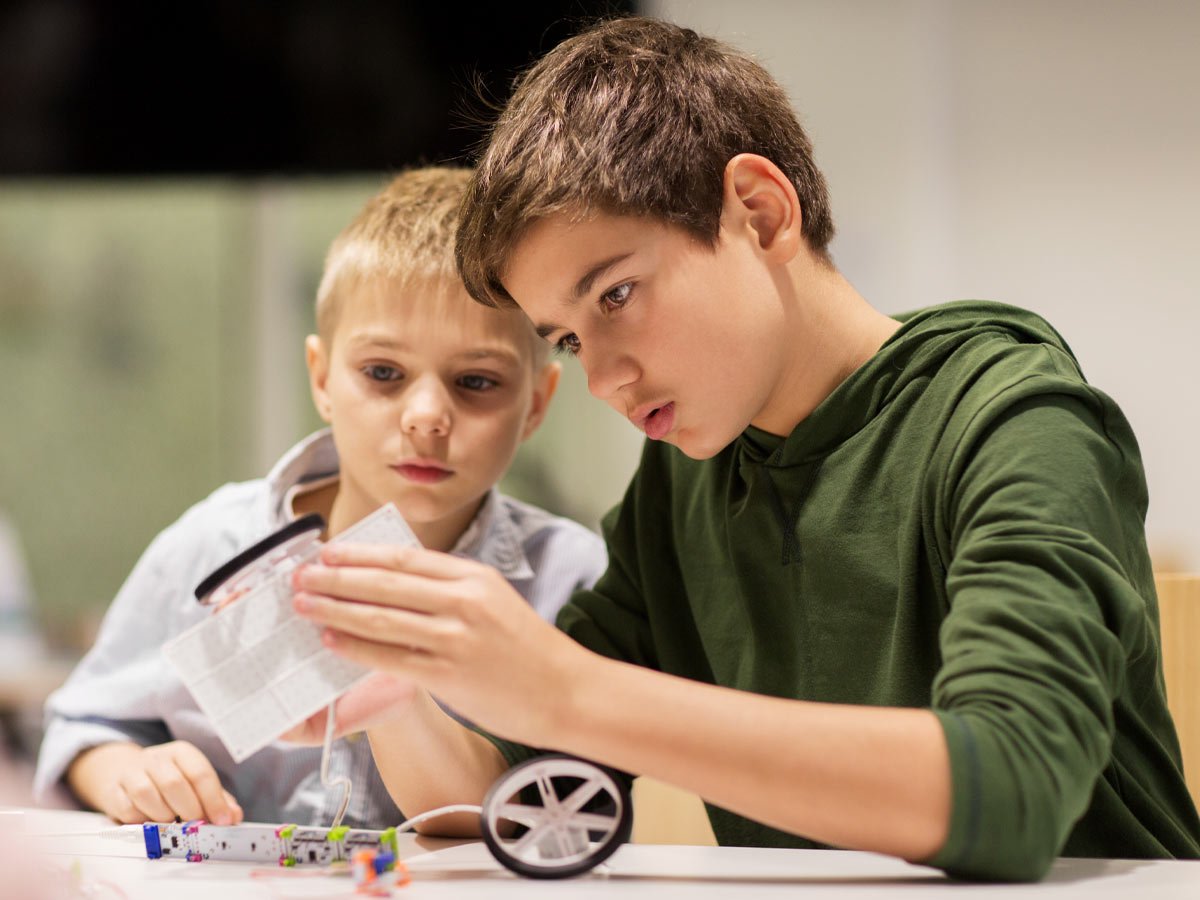
For example, a lesson about seeds may include counting, observing, drawing, listening to a story, watering a plant, and talking about patience. A child is building vocabulary and early science understanding, but they are also learning to care for something over time. That combination of hands-on exploration and purposeful instruction helps learning feel real.
Early Childhood Education in Maryland: What to Look For
Every child and family is different, so there is no single school model that fits everyone. Some families need longer care hours. Others prioritize a smaller setting, a particular location, or continuity through the early elementary years. Still, several qualities consistently matter when evaluating early childhood education in Maryland.
A developmentally appropriate academic foundation
Young children deserve meaningful academic challenge, presented in ways that match how they learn. In Pre-K, that may mean hearing sound patterns in songs, building letters with manipulatives, recognizing numbers during games, and developing language through conversation and stories. In Kindergarten and the early grades, children can steadily build reading, writing, math, and problem-solving skills through clear instruction and guided practice.
Academic readiness does not require rushing children through childhood. It means giving them the skills, language, and confidence to approach new work with interest. A strong program recognizes that children develop at different rates and adjusts support accordingly.
Teachers who know each child well
For young learners, relationships are central to progress. Children are more likely to participate, take a healthy risk, and persist through a challenge when they trust the adult guiding them.
Small class sizes can make a meaningful difference because they give teachers more opportunities to observe. A teacher may notice that one child learns best by talking through an idea, while another needs extra time with materials before speaking up. They can recognize a new friendship, celebrate a quiet accomplishment, or offer reassurance after a difficult morning.
Experience matters, too. Long-tenured teachers bring deep knowledge of child development, curriculum, and the everyday moments that help children settle into school. Just as importantly, they often become a steady presence for families as children move from one stage to the next.
Social-emotional learning woven into the day
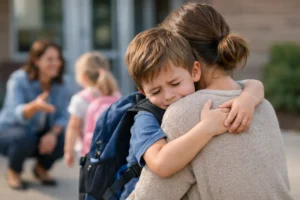
Young children do not leave big feelings at the classroom door. They need adults who can help them name emotions, solve small conflicts, wait for a turn, and begin again after disappointment.
Social-emotional learning is most effective when it is part of daily classroom life, not an occasional lesson. It happens when a teacher helps children find words during a disagreement, when classmates practice listening in a morning meeting, and when a child is encouraged to try a task again rather than give up. These moments help children develop self-awareness, empathy, and resilience.
A real partnership with families
Parents know their children best. Schools bring educational expertise, but the most helpful support comes when teachers and families communicate openly and respectfully.
Look for a school that shares more than calendar reminders. Families should have a sense of what their child is learning, how they are adjusting socially, and where they are making progress. Communication should also make room for parents to share important changes at home, questions about development, or goals they have for their child.
A warm school community grows through these small, consistent connections. When children see the important adults in their lives working together, school feels more secure.
Why Continuity Can Be So Valuable
The transition from preschool to Kindergarten, and then into the early elementary grades, can be exciting and demanding. New expectations arise quickly: children work with increasing independence, deepen early literacy and math skills, and learn to participate in a larger classroom community.
For some families, choosing a school that serves children beyond Pre-K offers valuable continuity. Children may already understand the routines, know familiar faces, and feel connected to the community as they enter a new grade. Teachers can build on what they know about a child’s strengths and learning style rather than beginning every year from scratch.
Continuity is not the only factor to consider. A family’s commute, schedule, budget, and child’s individual needs all matter. But when a school can provide both a nurturing beginning and a strong early elementary experience, it can make these formative transitions feel more supported.
Questions That Lead to Better School Visits
A school tour should help parents see how a program feels in action. The classroom environment, teacher interactions, and children’s engagement often reveal more than a brochure can. It is helpful to ask how the school approaches early reading, supports children who need extra encouragement, and communicates with parents.
Parents may also ask how teachers handle conflict, what a typical day looks like, and how children move from play-based exploration into more structured academic work. The answers should feel specific. A school that knows its approach can explain not only what children do, but why those experiences matter.
Pay attention to the children during a visit. Are they comfortable speaking with teachers? Are materials accessible and purposeful? Do classrooms feel active without feeling chaotic? A joyful learning environment does not mean every moment is quiet or perfectly orderly. It means children are engaged, respected, and guided with care.
A Foundation That Reaches Beyond the Early Years
The goal of early education is not simply to prepare children for the next grade. It is to help them see themselves as capable learners and caring members of a community.
At The Winchester School, children in Pre-K through second grade are supported through a balanced approach to foundational academics, hands-on learning, creative enrichment, and social-emotional growth. Small classes and close family communication help create the personal attention young children need as they begin building independence.
The right early school experience gives children something lasting: the confidence to raise a hand, the patience to work through a problem, the joy of discovering something new, and the comfort of knowing they belong. For a young child, that is a powerful way to begin.