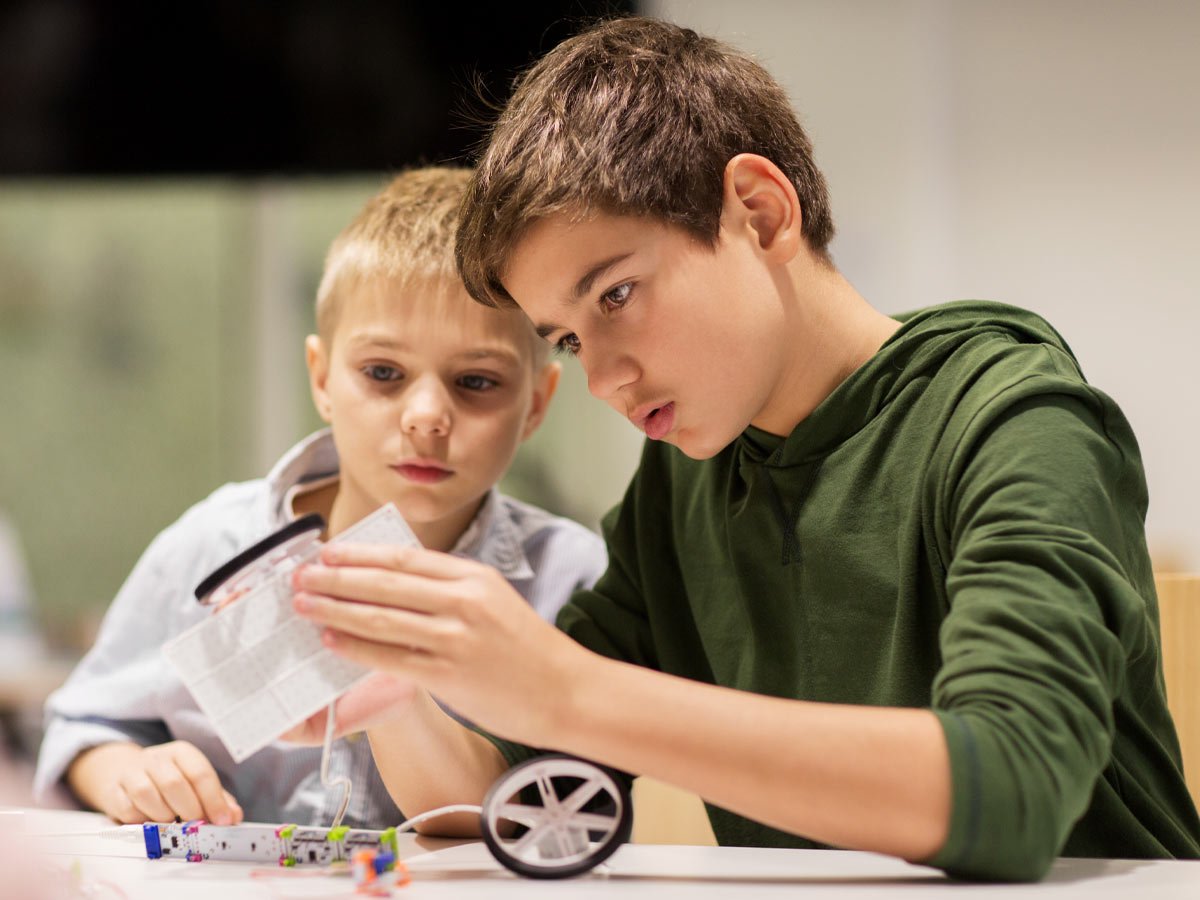

A child’s proudest learning moments rarely look dramatic. They may happen when she pours her own water without spilling, tells a friend, “You can have a turn after me,” or notices that the letter on a cereal box matches the first letter of her name. Early childhood education week 2026 is a wonderful opportunity to notice and celebrate these meaningful steps.
For young children, learning is not limited to worksheets or memorizing facts. It happens through play, conversation, movement, creativity, routines, and relationships with caring adults. Families can use this week to make everyday learning more visible, while giving children the encouragement they need to grow into confident, joyful learners.
What Early Childhood Education Week 2026 Can Celebrate
The early years are a period of remarkable growth. Children are building language, early math understanding, motor skills, self-control, empathy, and independence all at once. They are also forming beliefs about themselves as learners. When adults respond with patience, curiosity, and genuine encouragement, children learn that trying is worthwhile, even when something feels hard at first.
A meaningful celebration does not need to be packed with special events. In fact, young children often benefit most from familiar routines with a little extra intention. Reading one more story, inviting a child to help prepare lunch, or pausing to listen carefully to a long explanation about a bug in the backyard can all communicate an important message: your ideas matter.
This perspective is especially helpful for families considering preschool or early elementary programs. A strong early learning experience balances academic preparation with the social-emotional skills children need to participate in a classroom community. Children need opportunities to recognize letters and numbers, certainly, but they also need practice asking for help, recovering from disappointment, sharing materials, and expressing their feelings with words.
Create a Week of Learning Through Everyday Moments
Rather than trying to recreate school at home, choose small activities that fit naturally into family life. The goal is not to keep children busy every minute. It is to offer engaging experiences, then leave room for children to wonder, repeat, experiment, and lead.
Make Reading a Shared Routine
Reading together supports vocabulary, listening skills, imagination, and a lasting connection with books. Let your child choose a favorite story, even if you have read it many times. Repetition is not a sign that learning has stopped. Young children return to familiar books because each reading gives them another chance to notice details, predict what comes next, and feel capable.
As you read, ask open-ended questions such as, “What do you think the character might do?” or “How do you think she feels right now?” There is no need to turn every page into a quiz. A warm conversation about a story is often more valuable than a correct answer.
Let Children Help With Real Work
Practical tasks build both independence and early academic skills. A child who sorts socks is noticing similarities and differences. A child who counts napkins for the table is using one-to-one correspondence. Measuring ingredients, putting toys into categories, watering plants, and matching lids to containers all invite problem-solving.
These tasks may take longer when a young child helps, and that is the trade-off. If the family is rushing out the door, it may not be the right moment to invite a four-year-old to zip every coat. But when time allows, involving children in real responsibilities tells them they are capable contributors to the family.
Bring Learning Outdoors
A walk around the neighborhood can become a rich early science experience. Notice the texture of tree bark, listen for birds, compare the size of leaves, or look for signs of changing weather. Children do not need a formal lesson to begin thinking like scientists. They need time to observe and adults who take their questions seriously.
You might bring a small notebook for drawings or ask your child to collect a few fallen leaves to sort at home. Focus on curiosity rather than getting every fact right. If a child asks a question you cannot answer, it is perfectly fine to say, “I wonder that too.”
Make Space for Creative Expression
Art, music, dramatic play, and building are not extras in early childhood. They help children communicate ideas, strengthen fine motor skills, practice planning, and make sense of their experiences. Offer simple materials such as paper, crayons, blocks, recycled boxes, play dough, or scarves for pretend play.
Try to resist the urge to correct or improve the final product. A purple dog or a tower that leans dramatically may reflect a child’s imagination and experimentation. Instead of asking, “What is it?” consider saying, “Tell me about what you made.” This keeps the focus on the child’s thinking rather than adult expectations.
Support Social-Emotional Growth Along the Way
Learning to manage big feelings is serious work for young children. A child may understand a classroom rule one day and struggle to follow it the next. That does not mean the child is not learning. Development is rarely a straight line, especially when children are tired, hungry, overstimulated, or facing a new situation.
During early childhood education week 2026, families can pay special attention to the language they use around emotions. Naming feelings helps children begin to understand them: “You seem disappointed that playtime is over,” or “You worked hard to calm your body after you felt frustrated.” Children need limits, but they also need adults who see the feeling beneath the behavior.
Simple games can help, too. Take turns making faces that show happy, worried, excited, or frustrated. Practice polite ways to enter play, such as, “Can I build with you?” Role-play what to say when someone takes a toy. These small rehearsals give children useful words before they need them in a real social situation.
Notice What Helps Your Child Thrive
A week focused on early learning is also a chance to observe your child with fresh eyes. When does your child become deeply engaged? Do they love telling stories, building structures, caring for dolls, moving to music, organizing objects, or asking endless questions? These observations can help parents better understand how their child learns and what kind of educational setting may be a good fit.
Look for more than academic milestones. Notice whether your child feels comfortable separating from a caregiver, joins group activities, asks questions, persists with a challenge, or seeks comfort appropriately when something goes wrong. These skills matter in preschool, kindergarten, and beyond.
For many families, the ideal school experience combines clear routines and strong foundational learning with room for personality, creativity, and individual support. Small class sizes and experienced teachers can make a meaningful difference because they allow adults to know each child well – not only what the child can do, but what encouragement helps them try the next step.
At The Winchester School, this whole-child approach guides learning from the earliest classroom experiences through the early elementary years. Children benefit from a caring community where academic growth, confidence, and family partnership are all part of the school day.
Keep the Celebration Gentle and Genuine
It can be tempting to compare children’s skills, especially when families see milestone checklists or social media posts. Yet children develop at different rates and often show their strengths in different ways. One child may be eager to recognize letters but need extra time to warm up in groups. Another may be a compassionate friend who is still building confidence with pencils or scissors.
The most helpful response is steady encouragement paired with appropriate support. Celebrate effort, provide practice without pressure, and share concerns with a trusted teacher or pediatric professional when something feels persistent or significant. Early support is not a label. It is a caring way to help a child access the tools they need to flourish.
As the week unfolds, choose one quiet moment to ask your child what they enjoyed learning. Listen closely to the answer, whether it is a detailed story or simply, “Everything.” Their growing sense of wonder is worth protecting, nurturing, and celebrating every day.