
A child’s first experience with formal school can shape how they see learning for years to come. The best private kindergarten benefits are not simply about getting an early start on reading or math. They are about giving children a place where they are known, encouraged, and gently challenged as they learn how to participate in a classroom community.
For many families in the Silver Spring area, kindergarten is also a practical decision. Parents are looking for a school day with purpose, teachers who communicate clearly, and an environment that supports both growing independence and the need for reassurance. A high-quality private kindergarten can offer that balance, especially when its approach is designed around the developmental needs of young children.
Small Classes Make Individual Attention Possible
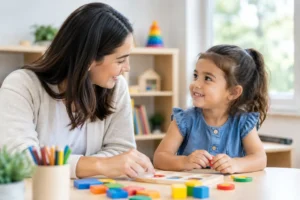
Kindergarten students arrive with wonderfully different strengths. One child may already be eager to write stories, while another is still building confidence with pencil grip, letter sounds, or speaking up in a group. In a smaller class, teachers have more opportunity to notice those differences and respond thoughtfully.
Individualized attention does not mean children are separated from their peers or pushed ahead too quickly. It means a teacher can offer an extra moment of encouragement, adjust an activity, or provide an appropriate next step. Children who need more practice can receive it without feeling singled out. Children who are ready for a new challenge can stay engaged and curious.
Small class sizes also help teachers understand the whole child. They can recognize when a child is unusually quiet, frustrated by a transition, proud of a new accomplishment, or ready to take on a classroom responsibility. Those everyday observations are often what allow a kindergarten teacher to provide meaningful support before a small concern becomes a larger one.
A Strong Kindergarten Builds Academic Confidence
A private kindergarten should provide a real academic foundation, not just a collection of worksheets or early drills. At this age, children benefit from purposeful instruction in early literacy, math concepts, language development, science, and problem-solving. They also learn best when those skills are connected to play, conversation, movement, art, and hands-on exploration.
For example, a child may practice counting while sorting classroom materials, build vocabulary while discussing a read-aloud, or strengthen fine motor skills through drawing, cutting, and writing. These experiences can look simple from the outside, but they help children make connections and see themselves as capable learners.
The goal is not for every child to reach the same milestone at the same moment. A thoughtful kindergarten program maintains high expectations while recognizing that development is not a race. When teachers meet children where they are, students are more likely to take healthy academic risks, ask questions, and persist when something feels difficult.
Learning Through Exploration Has Lasting Value
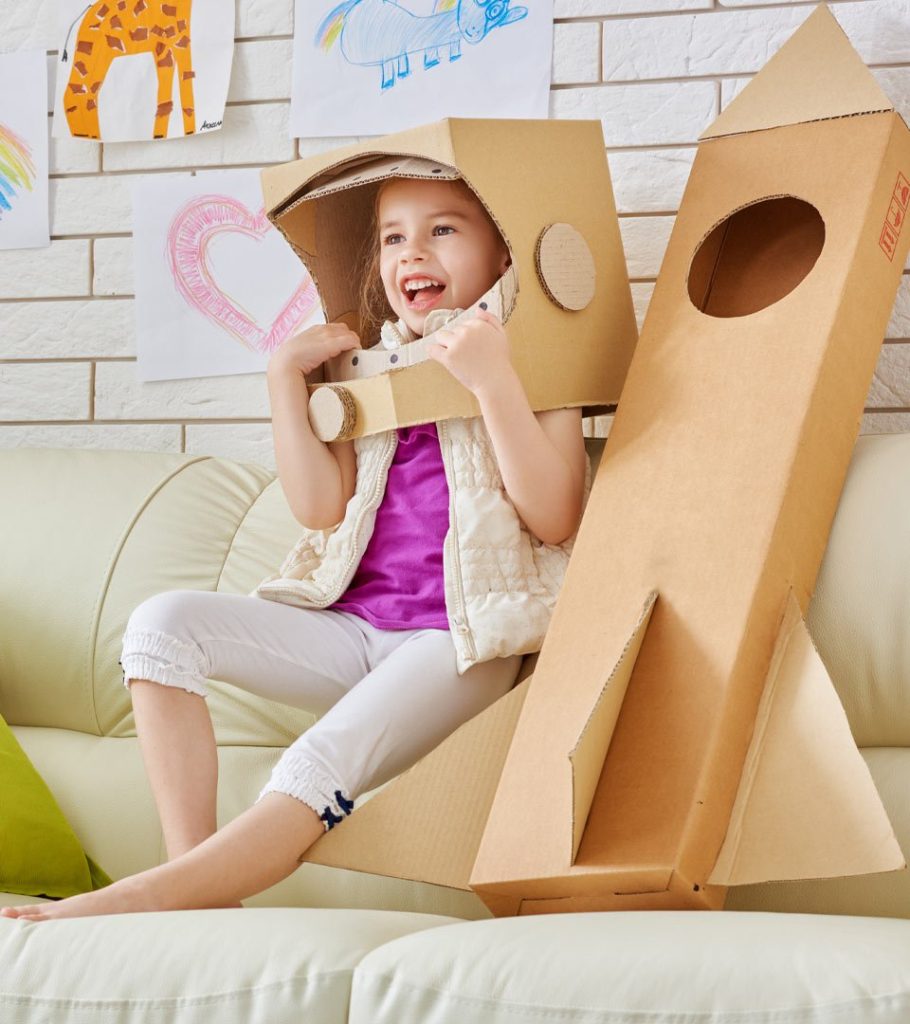
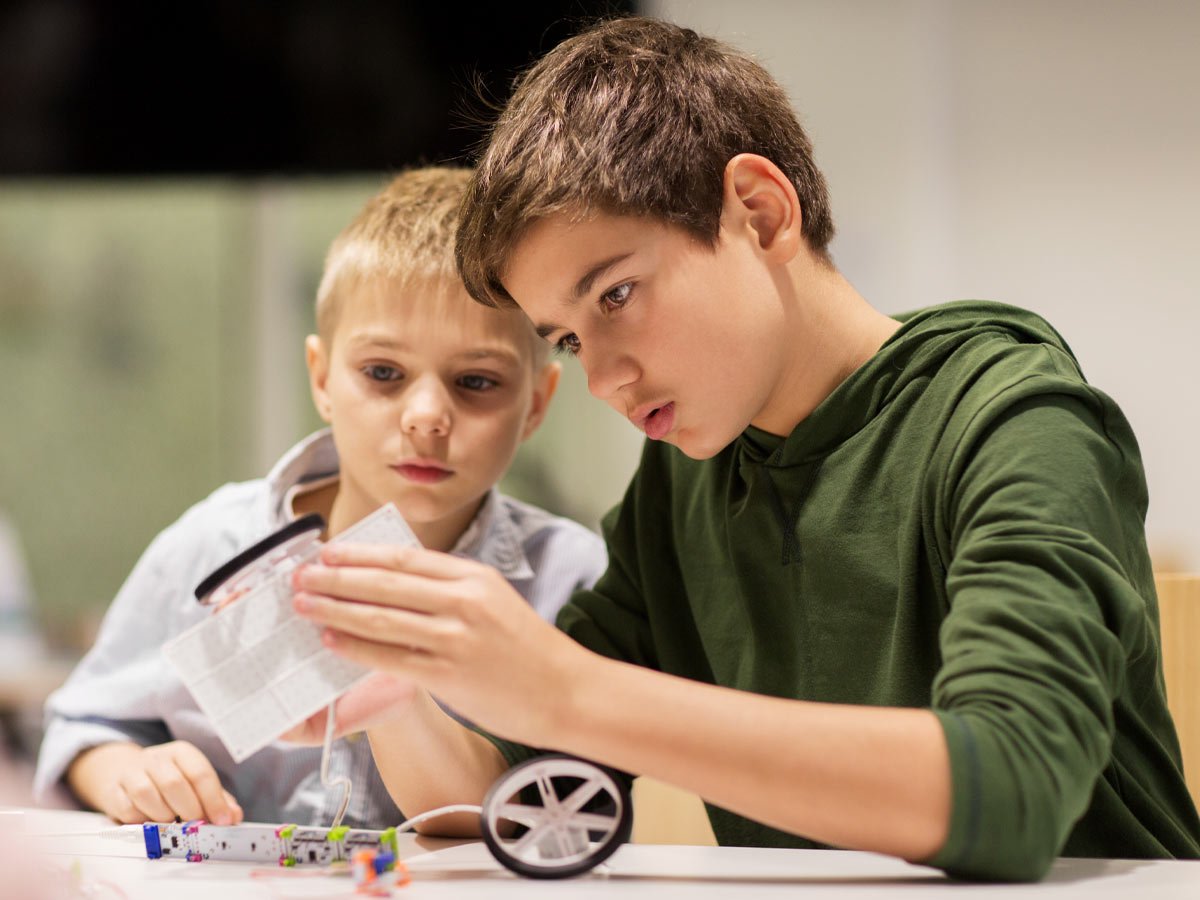
Young children learn by doing. A classroom that makes room for building, experimenting, creating, and discussing gives students more than facts to remember. It helps them practice attention, planning, flexibility, and problem-solving.
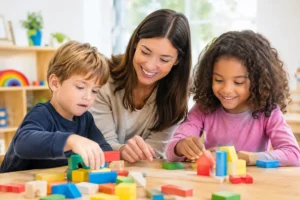
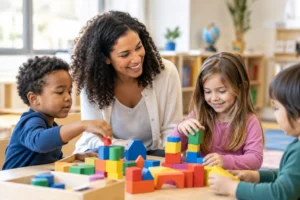
Hands-on learning is especially valuable because kindergarten children are still learning how to learn. They need opportunities to test an idea, make a mistake, try again, and explain their thinking. A child who discovers that a block structure needs a wider base is practicing reasoning. A child who works with classmates to create a pretend store is using language, math, cooperation, and imagination at once.
Caring Teachers Support Social-Emotional Growth
Families often focus first on academics when choosing a kindergarten, yet social-emotional development is just as central to a successful school experience. Children are learning to take turns, join a group, express a need, recover from disappointment, and make friends. These are not extras. They are the skills that help children feel secure enough to learn.
Experienced early childhood teachers know how to guide these moments with warmth and consistency. They help children name feelings, solve small conflicts, and understand classroom expectations. Over time, students learn that they can handle a new situation, contribute to a group, and ask an adult for help when they need it.
A stable teaching team matters here. Teachers with deep experience in early education can recognize what is typical for this age and what may call for additional support. Just as importantly, they can build trusting relationships that help children feel safe during a major transition away from home.
The Best Private Kindergarten Benefits Include Partnership With Families
Kindergarten works best when children receive a consistent message from school and home: you are supported, your effort matters, and the adults in your life are working together. Private school communities often place particular value on regular, personal communication with families.
That may mean a teacher shares a quick observation at pickup, reaches out when a child has a breakthrough, or talks through a concern before it grows. Parents should not have to wait for a formal conference to understand how their child is adjusting, what they are learning, or how they can reinforce a skill at home.
Strong communication also helps teachers learn from parents. Families know their children best. A parent can offer helpful context about a child’s interests, routines, worries, or recent changes at home. When educators listen closely, they can create a more responsive and welcoming classroom experience.
A Connected Community Makes School Feel More Secure
For young children, school is not only a classroom. It is a community of familiar adults and peers. Schools that foster respectful relationships among teachers, families, and students can make the kindergarten year feel less overwhelming for everyone.
Community does not require a school to be large or busy. Often, it grows through small, meaningful moments: being greeted by name, seeing the same caring staff members each day, attending a classroom event, or knowing that questions will be met with kindness. At a school such as The Winchester School, where family relationships and continuity are part of the culture, children can benefit from feeling known beyond their own classroom.
Continuity Can Ease Future School Transitions
A kindergarten program connected to early childhood and lower elementary grades can offer families valuable continuity. Children may already recognize school routines, shared spaces, and familiar teachers from earlier programs. As they move forward, they can build on a foundation rather than starting over in a completely unfamiliar setting.
This continuity can be especially reassuring for children who take time to warm up in new environments. It also allows teachers to share insights across grade levels, helping the next teacher understand a child’s learning style, strengths, and areas where encouragement is most helpful.
Still, continuity is only a benefit if the program remains a good fit as a child grows. Families should look at how the school supports students beyond kindergarten, how it maintains appropriate academic challenge, and whether its values align with their own. A familiar setting should never mean a child stops growing.
What to Look for During a Kindergarten Visit
The right school will feel different for every family, but a visit can reveal far more than a brochure. Notice how teachers speak to children. Are directions clear and respectful? Do students have chances to make choices, move, create, and work together? Does the classroom feel calm and purposeful rather than overly controlled or chaotic?
Ask how the school approaches early reading and math, but also ask how it handles friendship challenges, separation anxiety, and children who learn at different paces. Find out how often teachers communicate with parents and what support is available when a child needs additional help.
It is also reasonable to consider practical factors, including location, schedule, tuition, and transportation. Private kindergarten is an investment, and the best choice is not automatically the most expensive or the most academically intense. It is the setting where your child can receive attentive teaching, build confidence, and develop a genuine readiness for the next stage of learning.
When you visit, pay attention to your child’s response as well as your own. A warm welcome, an engaging classroom, and a teacher who takes time to connect can tell you a great deal about whether a school may become a place where your child feels ready to grow.