
Parents usually start asking bigger questions the moment school feels close. Will my child be ready? Will they be known as an individual? Will school feel nurturing as well as educational? If you have found yourself wondering what is early childhood education program, the short answer is this: it is a thoughtfully designed learning experience for young children that supports academic, social, emotional, physical, and language development during the years when growth happens quickly.
That simple definition matters because early childhood education is often misunderstood. Some people hear “early education” and think basic childcare. Others imagine highly academic classrooms that push young children too fast. In reality, a strong program sits in the middle. It gives children structure, purpose, and skill-building while still honoring the way young children learn best – through relationships, play, movement, conversation, repetition, and hands-on discovery.
What Is an Early Childhood Education Program?
An early childhood education program is a school-based learning environment for children in their earliest years, often beginning around age 3 or 4 and continuing through kindergarten and the first years of elementary school, depending on the setting. Its purpose is not only to prepare children for the next grade, but to help them build the habits, confidence, and foundational skills that support lifelong learning.
A quality program focuses on the whole child. That means children are learning letters, numbers, patterns, and early reading skills, but they are also learning how to listen, take turns, solve small problems, express feelings, and work within a group. These are not extras. For young learners, social-emotional growth and academic growth are deeply connected.
This is why families often look for more than a place that keeps children busy. They want an environment where children are guided with intention, where teachers understand development, and where each stage of learning is taken seriously.
What Children Learn in an Early Childhood Education Program
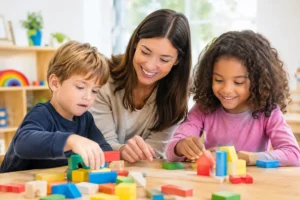
The best early childhood classrooms are active, language-rich, and carefully planned. They may look playful from the outside, and they should. But beneath that warmth and activity is a clear educational purpose.
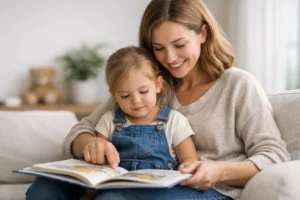
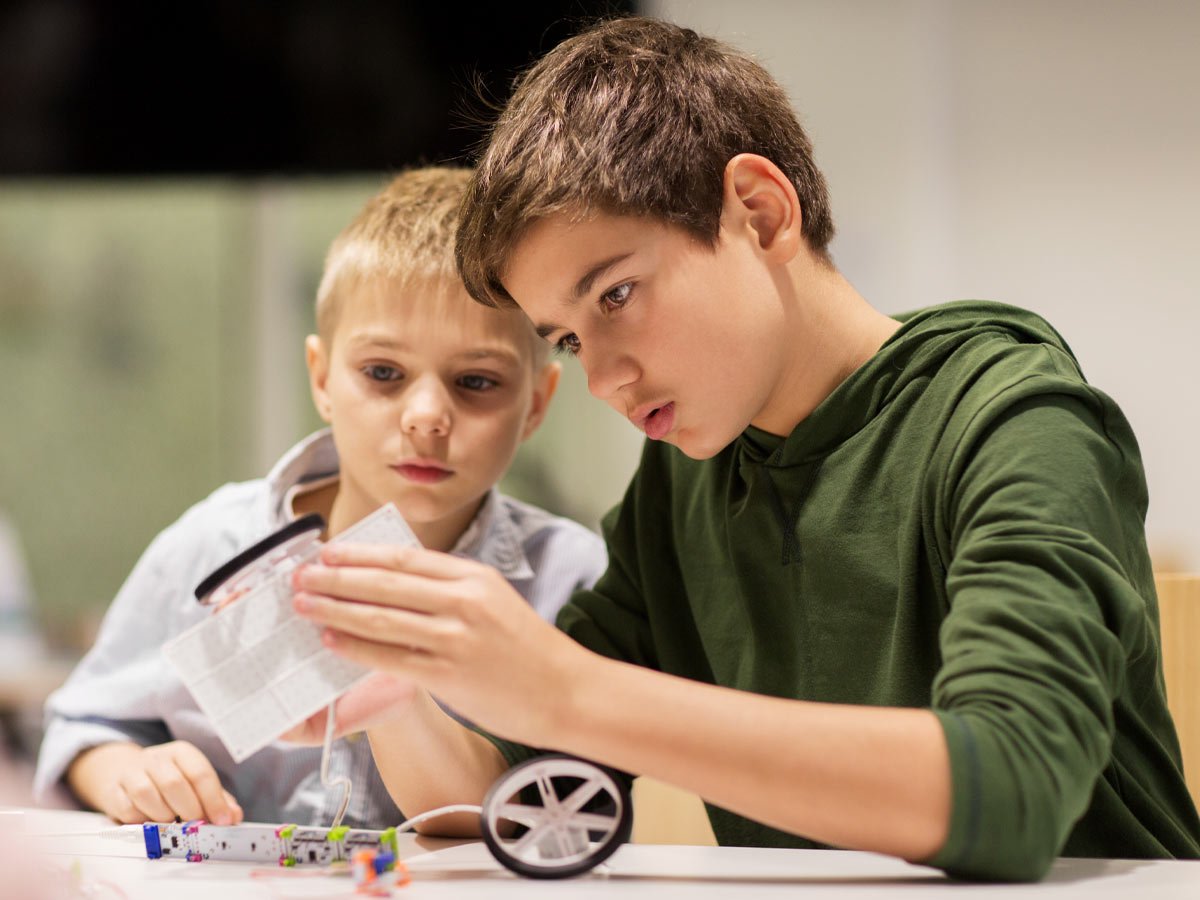
In most programs, children begin developing pre-reading and early literacy skills by listening to stories, learning letter recognition, hearing sounds in words, building vocabulary, and practicing conversation. Early math shows up through counting, sorting, comparing, measuring, and noticing patterns. Science and discovery happen when children ask questions, observe changes, and explore materials with guidance from a teacher.
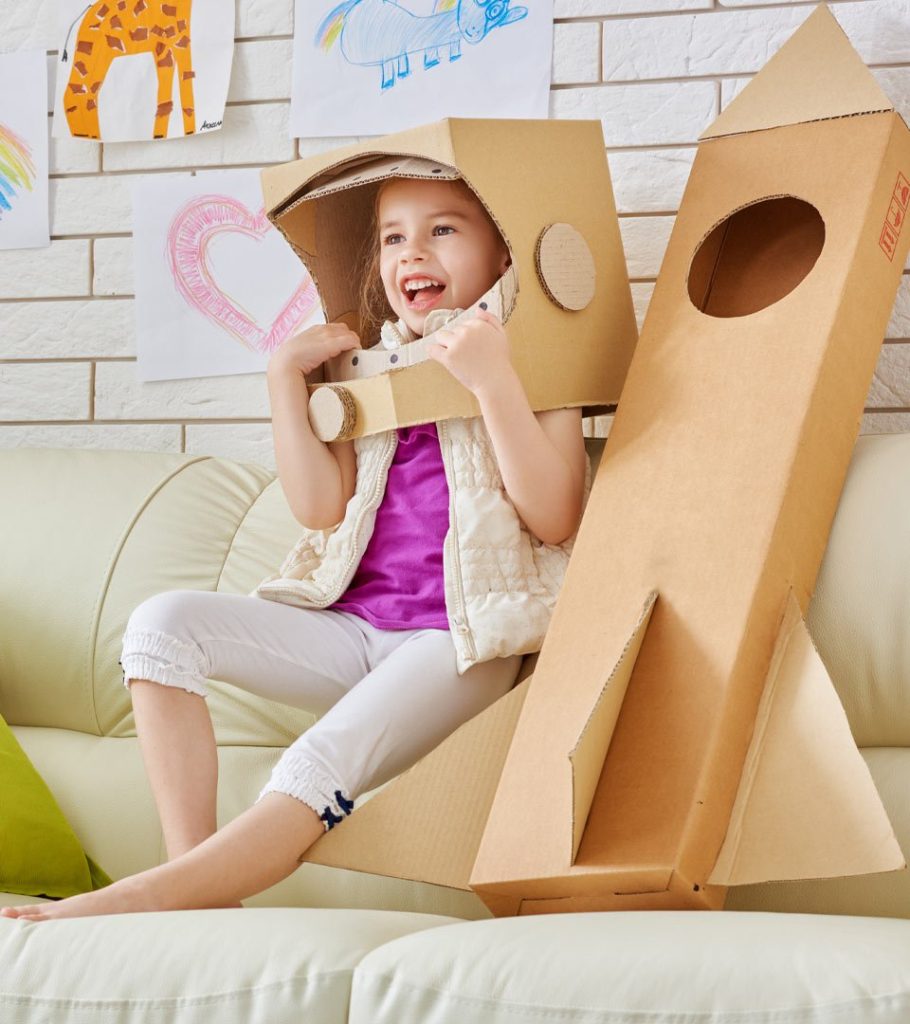
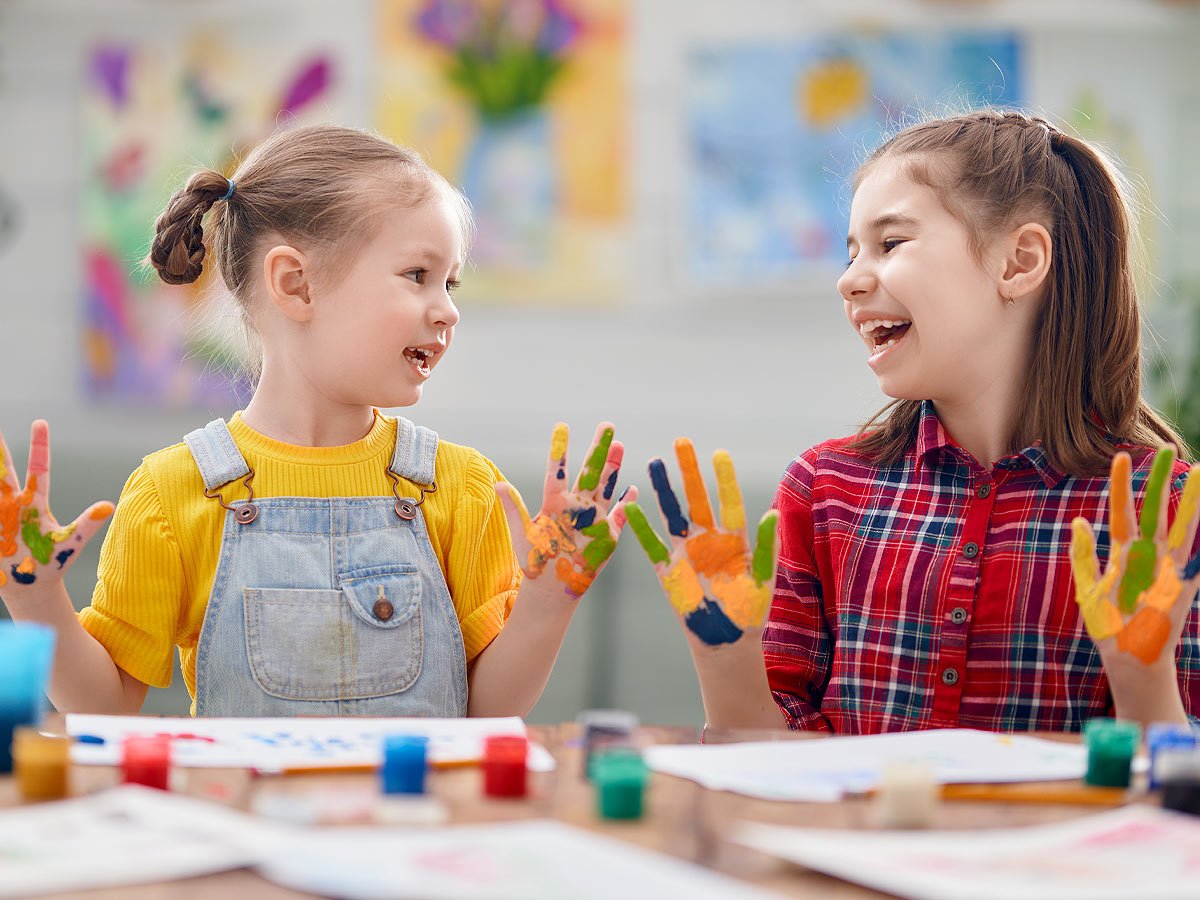
Just as important, children build fine motor and gross motor skills. Cutting, drawing, building, climbing, and moving through space all support later independence and academic readiness. Creative activities such as art, music, pretend play, and storytelling also matter because they strengthen expression, problem-solving, and confidence.
In a strong program, none of these areas are treated in isolation. A child might listen to a story, act it out with classmates, draw a response, count related objects, and talk through what happened. That kind of integrated learning helps concepts stick.
Why Early Childhood Education Matters So Much
The early years shape more than school readiness. They shape how children feel about learning itself.
When children are in a classroom where they feel safe, known, and encouraged, they are more willing to take healthy risks. They try new tasks. They ask questions. They recover more easily from mistakes. Over time, this becomes part of their identity. They begin to see themselves as capable learners.
That does not mean every child develops at the same pace. In fact, one of the most important truths about early childhood education is that growth is uneven. A child may be advanced verbally but need help with transitions. Another may be socially confident but still building pre-reading skills. A thoughtful program recognizes those differences and responds with patience and intention.
This is also where experienced teachers make a real difference. Young children need adults who can notice subtle progress, understand behavior in context, and support development without creating unnecessary pressure. Families often feel the difference right away when a teacher can both nurture and challenge a child appropriately.
What a High-Quality Program Looks Like
Not every early childhood setting offers the same experience. If you are comparing schools, it helps to know what separates a truly strong program from a basic one.
A high-quality early childhood education program has a developmentally appropriate curriculum. That means expectations match the age and stage of the children, while still encouraging steady growth. Children should be engaged, not overwhelmed. They should be learning with purpose, not simply passing time.
Teacher quality matters just as much as curriculum. Strong programs have educators who know child development, communicate clearly with families, and create consistent routines. Young children thrive when their days feel predictable and warm.
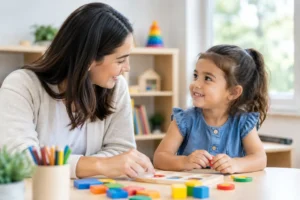
Small class sizes are another meaningful advantage. In early education, personal attention is not a luxury. It is part of how children learn best. Smaller groups make it easier for teachers to observe each child closely, adjust support when needed, and build strong relationships.
Family partnership is another sign of quality. The best schools understand that parents and teachers are on the same team. Families should feel informed, welcomed, and respected. Open communication helps children because the adults in their lives are working from a shared understanding.
What Is Included Beyond Academics?
Parents sometimes ask whether early childhood education is “academic enough” or, on the other hand, “too academic.” The right answer depends on how the program defines learning.
A strong program includes foundational academics, but it also makes room for the broader experiences that young children need. Social-emotional learning is one of the most valuable parts of early education. Children learn how to manage frustration, build friendships, participate in a group, and grow in independence. These skills affect classroom success just as much as knowing letters or numbers.
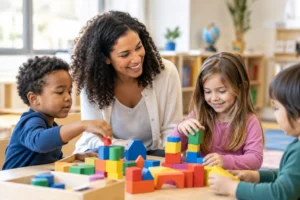
Hands-on exploration is also essential. Young children learn by doing. They need time to manipulate materials, ask questions, test ideas, and make connections through experience. A classroom full of worksheets may look structured, but it does not always reflect how children learn best at this age.
Creative enrichment matters too. Art, music, movement, and imaginative play help children communicate, regulate emotions, and think flexibly. These experiences are not separate from serious learning. They are part of it.
What Parents Should Look for When Choosing a Program
When visiting a school, pay attention to what the classroom feels like as much as what it includes on paper. Do the children seem engaged? Are teachers calm, attentive, and genuinely connected to students? Is there a balance between structure and joy?
Ask how the school supports different learning styles and developmental paces. Ask how teachers communicate with families. Ask how children are helped through transitions, conflicts, or moments of frustration. These questions often reveal more than a list of subjects ever could.
It is also worth asking how long teachers have been with the school. Stability can say a great deal about a learning community. When teachers stay, families often benefit from deeper experience, stronger school culture, and a more consistent environment for children.
For many families, the right fit comes down to trust. You want a place where your child is cared for as a person and guided as a learner. That combination is what makes early education so powerful.
What Is Early Childhood Education Program Fit for Your Child?
The answer depends on your child’s needs and your family’s priorities. Some children need a gentle introduction to school routines. Others are eager for more challenge and structure. Most need both nurturing and clear expectations.
A good program does not force every child into the same mold. Instead, it creates a warm, organized environment where children can build skills at an appropriate pace. That is one reason many families value schools like The Winchester School, where small classes, experienced teachers, and individualized support help young learners grow with confidence.
Choosing an early childhood program is not about finding the flashiest classroom or the longest list of activities. It is about finding a place where your child can be known, encouraged, and steadily prepared for what comes next. When that foundation is in place, children do not just learn school skills. They begin to develop curiosity, resilience, and the quiet confidence that can carry them far beyond the early years.