
A child’s earliest school experiences shape far more than letter recognition or counting skills. They shape whether a child sees learning as exciting, whether they feel safe asking for help, and whether they begin to trust their own abilities. The most meaningful early childhood education trends reflect that larger purpose: helping young children grow academically, socially, and emotionally in a setting built for how they learn best.
For families choosing a preschool or early elementary program, trends can be helpful when they point back to enduring needs. Young children still need caring teachers, predictable routines, meaningful play, and chances to practice new skills with encouragement. What is changing is the intentional way many schools bring those elements together.
Early Childhood Education Trends Center the Whole Child
For many years, early education conversations focused heavily on readiness: Can a child recognize letters? Write their name? Count to 20? Those skills matter, but families and educators increasingly recognize that school readiness is much broader.
A child who can listen to a classmate, recover after disappointment, follow a routine, and share an idea with a group has important tools for learning. That is why social-emotional learning has become a central part of strong early childhood programs rather than an occasional lesson.
In practice, social-emotional learning often looks wonderfully ordinary. Teachers help children name feelings after a frustrating moment at the block center. They guide classmates through a disagreement over a favorite toy. They make space for a quiet child to contribute without pressure. Over time, these small interactions help children build self-awareness, empathy, resilience, and confidence.
The goal is not to protect children from every challenge. It is to give them patient support as they learn how to handle challenges. A classroom that combines warmth with clear expectations gives children a secure place to practice independence.
Play Is Becoming More Purposeful, Not Less Academic
Parents sometimes hear “play-based learning” and worry that academics will be left to chance. In a thoughtful program, the opposite is true. Purposeful play gives teachers a natural way to introduce and reinforce foundational skills while keeping learning active and meaningful.
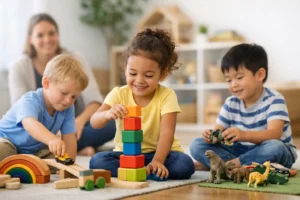
When children sort buttons by color, size, or shape, they are developing early math thinking. When they build a bridge with blocks, they explore planning, balance, problem-solving, and language. When they act out a story, they deepen comprehension while practicing cooperation and expressive communication.
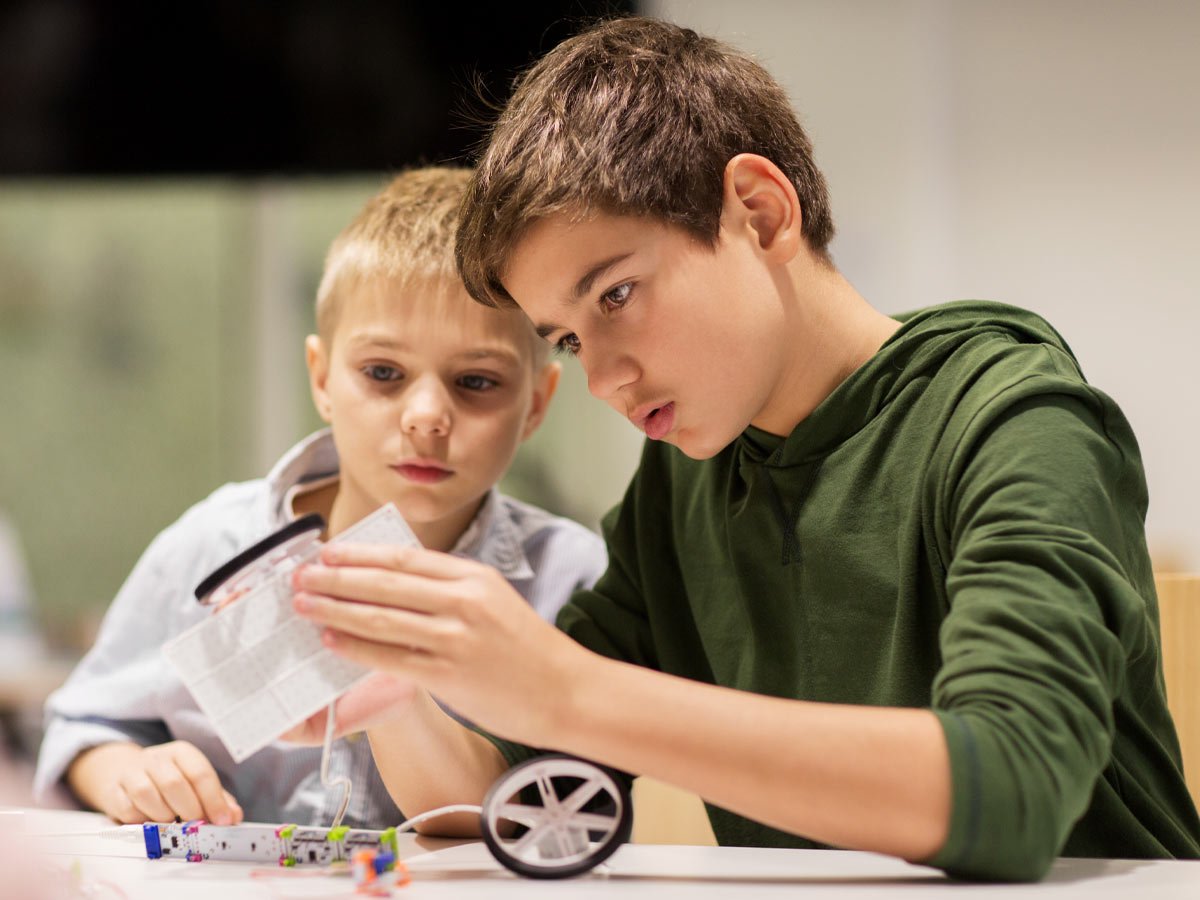
This approach works especially well for children ages 3 through 8 because young learners make sense of new ideas through hands-on experience. A worksheet may show what a child can recall in one moment. A well-planned activity can reveal how a child thinks, persists, communicates, and applies knowledge.
That does not mean paper-and-pencil work has no place. Children benefit from practicing handwriting, early reading, number concepts, and classroom habits. The strongest programs strike a balance: direct instruction for key foundational skills, paired with exploration that makes those skills come alive.
Small-Group Learning Supports Individual Growth
Children enter school with different experiences, strengths, interests, and developmental timetables. One child may eagerly recognize sight words but need help joining group conversations. Another may be highly imaginative and social while still building fine-motor control. Personalized instruction is becoming a greater priority because one pace does not serve every child equally well.
Small-group teaching gives educators the chance to meet children where they are. A teacher can read with a few children who are ready for a new challenge, revisit a sound with those who need another opportunity, or offer an alternative way to show understanding. This is not about labeling children early. It is about noticing them carefully.
For parents, individualized support should also include communication. Families deserve to understand what their child is learning, where they are gaining confidence, and how school and home can work together. A strong school-family partnership helps children receive consistent encouragement from the adults who know them best.
Creative Enrichment Is Part of Learning, Not an Extra
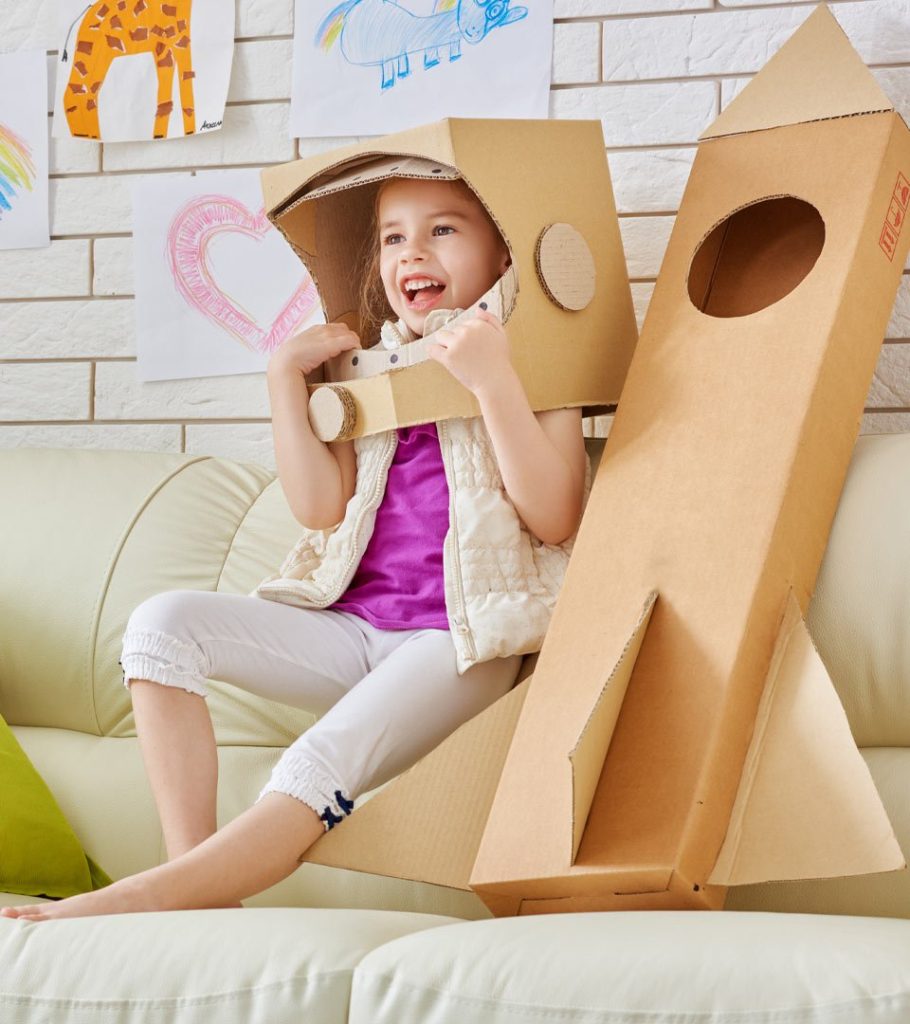
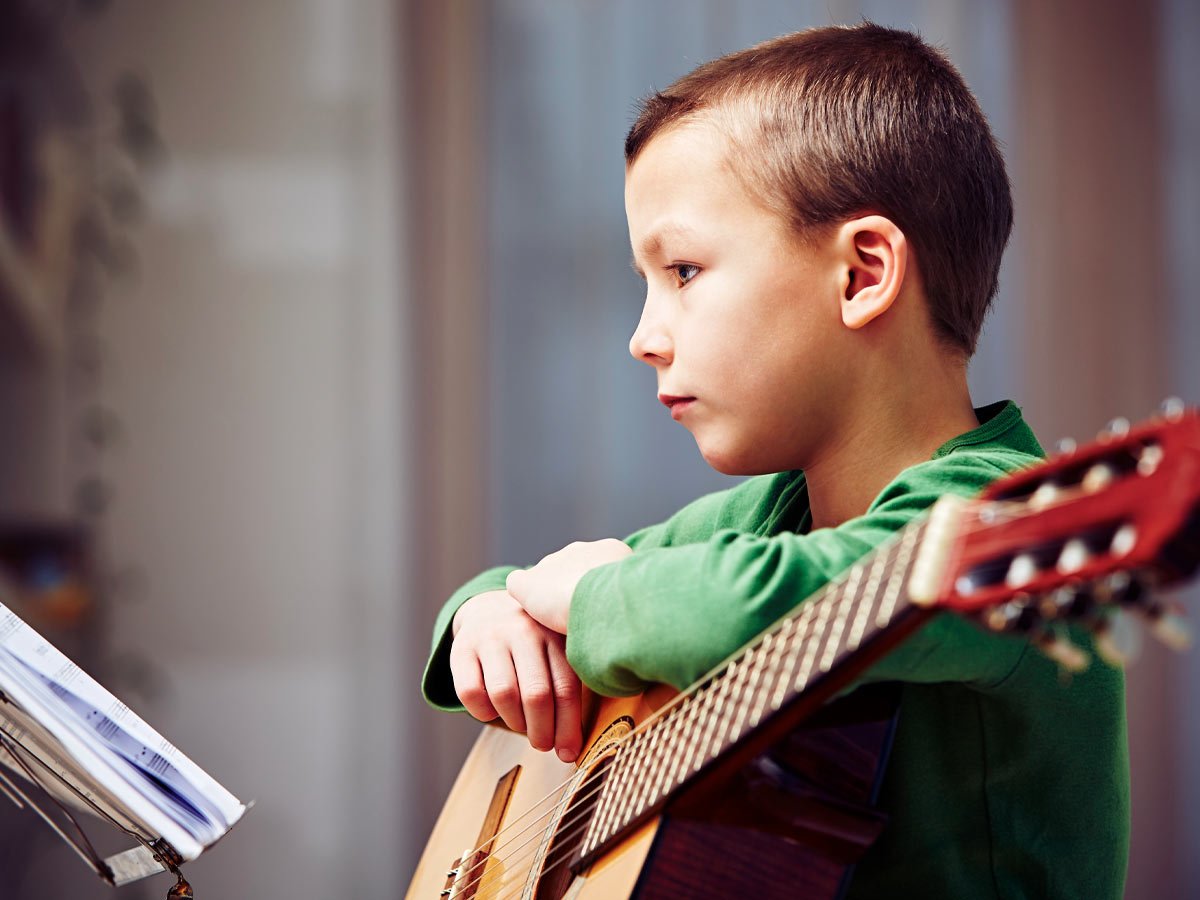
Art, music, movement, dramatic play, and hands-on science are receiving renewed attention in early childhood classrooms. These experiences are often the moments children remember most clearly, but their value goes well beyond enjoyment.
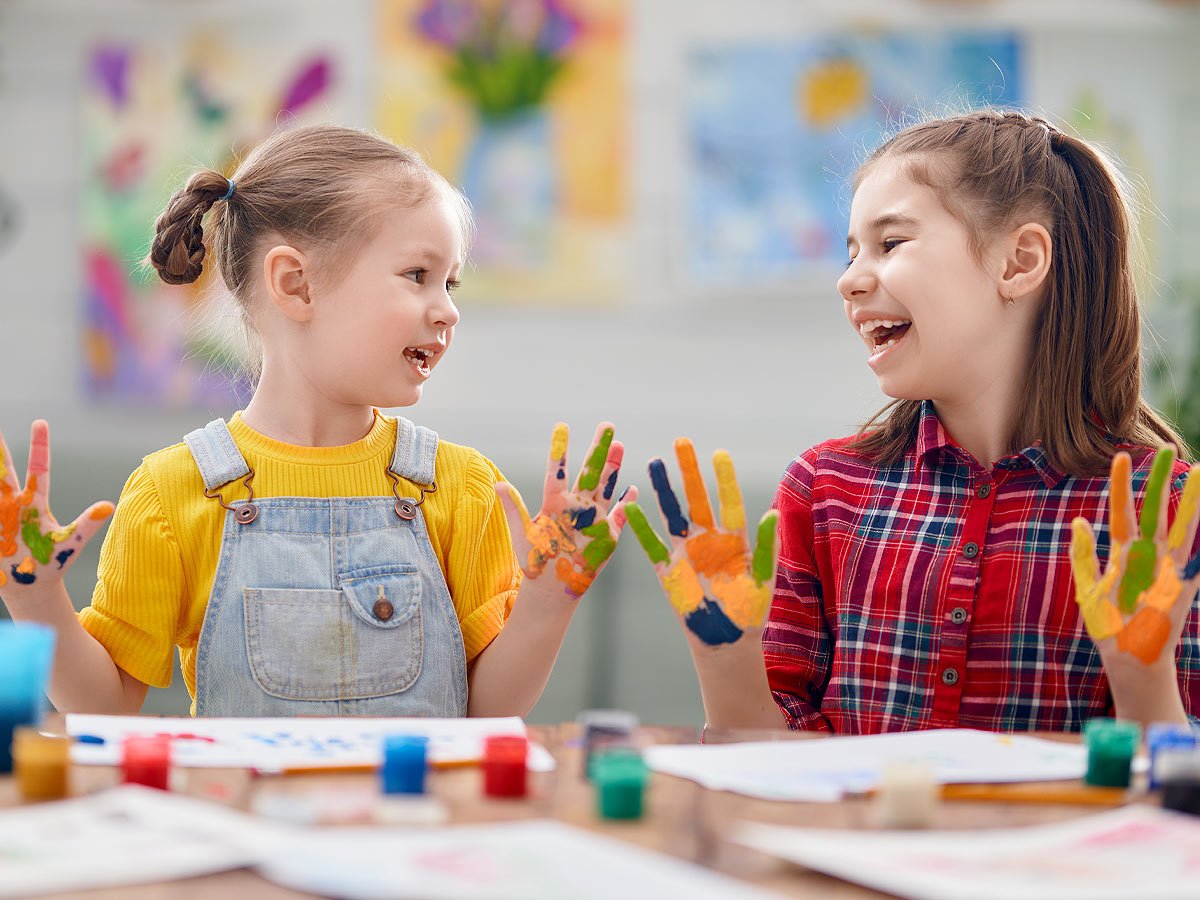
Creative activities invite children to make choices, try ideas, and express what they know in different ways. A child who is hesitant to speak in a large group may tell an elaborate story through a painting. A child who struggles to sit through a long lesson may show remarkable focus during a rhythm activity or nature investigation.
Enrichment also gives teachers more opportunities to see a child’s interests and strengths. That insight can inform academic instruction, build confidence, and help each student feel that they belong in the classroom community.
Technology Has a Place, With Clear Limits
Technology remains one of the most discussed early childhood education trends, and parents are right to ask thoughtful questions. Digital tools can support learning when they are purposeful, brief, and guided by a teacher. For example, children may use a tablet to document a science observation, listen to a story, or practice a skill through an interactive activity.
Yet screen time cannot replace conversation, sensory exploration, movement, or face-to-face play. Young children learn language through responsive exchanges with adults and peers. They develop coordination by manipulating real objects. They learn to negotiate by sharing physical space with others.
The best question is not whether a school uses technology at all. It is whether technology serves a clear learning purpose without taking time away from the relationships and active experiences children need most. In early education, the teacher remains the most important learning tool in the room.
Inclusion and Belonging Are Essential to Classroom Life
Today’s families are looking for school communities where children are known, respected, and supported as individuals. This includes honoring different family backgrounds, learning styles, cultures, abilities, and personalities.
An inclusive classroom is not simply one with a welcoming message on the wall. It is a classroom where materials reflect a range of people and experiences, where children hear their names pronounced with care, and where teachers adjust support so every child can participate. It is also a community where kindness is practiced daily.
Children benefit when they learn alongside peers with different perspectives. They begin to understand that there are many ways to communicate, create, solve problems, and be part of a group. These lessons establish habits of respect that extend well beyond the early years.
Continuity Matters During the Early School Years
Another meaningful trend is a growing appreciation for continuity. Families are looking beyond a single preschool year and considering how a school supports children through the transitions from Pre-K to Kindergarten and into the early elementary grades.
Consistency can be especially reassuring for young children. Familiar routines, shared school values, and teachers who understand early development help children approach each new stage with confidence. They can take on greater academic responsibility without losing the sense of safety that allows them to learn.
At The Winchester School, this balance of structure, nurturing care, and individualized attention reflects what many families want from a child’s first educational community. Children need a strong start in reading, writing, and mathematics, but they also need trusted adults who notice their progress and celebrate the person they are becoming.
What Parents Can Look for Beyond the Trends
Trends are useful only when they improve a child’s daily experience. During a school visit, parents can learn a great deal by looking past the terminology. Do teachers speak to children with patience and respect? Are children actively engaged rather than simply kept busy? Is there evidence of both joyful exploration and intentional learning?
Ask how the school supports children who are ready for more challenge and children who need extra time. Ask how families receive updates and how teachers handle social conflicts. Notice whether classrooms feel calm, organized, and inviting. A beautiful room matters less than the caring relationships and thoughtful teaching happening inside it.
There is no single formula for the right school. Some children thrive with more structure, while others need additional time to warm up and explore. What matters most is finding an environment where your child can be known well, guided thoughtfully, and encouraged to become a joyful learner. The best early education experience is one that helps a child walk through the classroom door feeling safe, capable, and eager to see what they can do next.