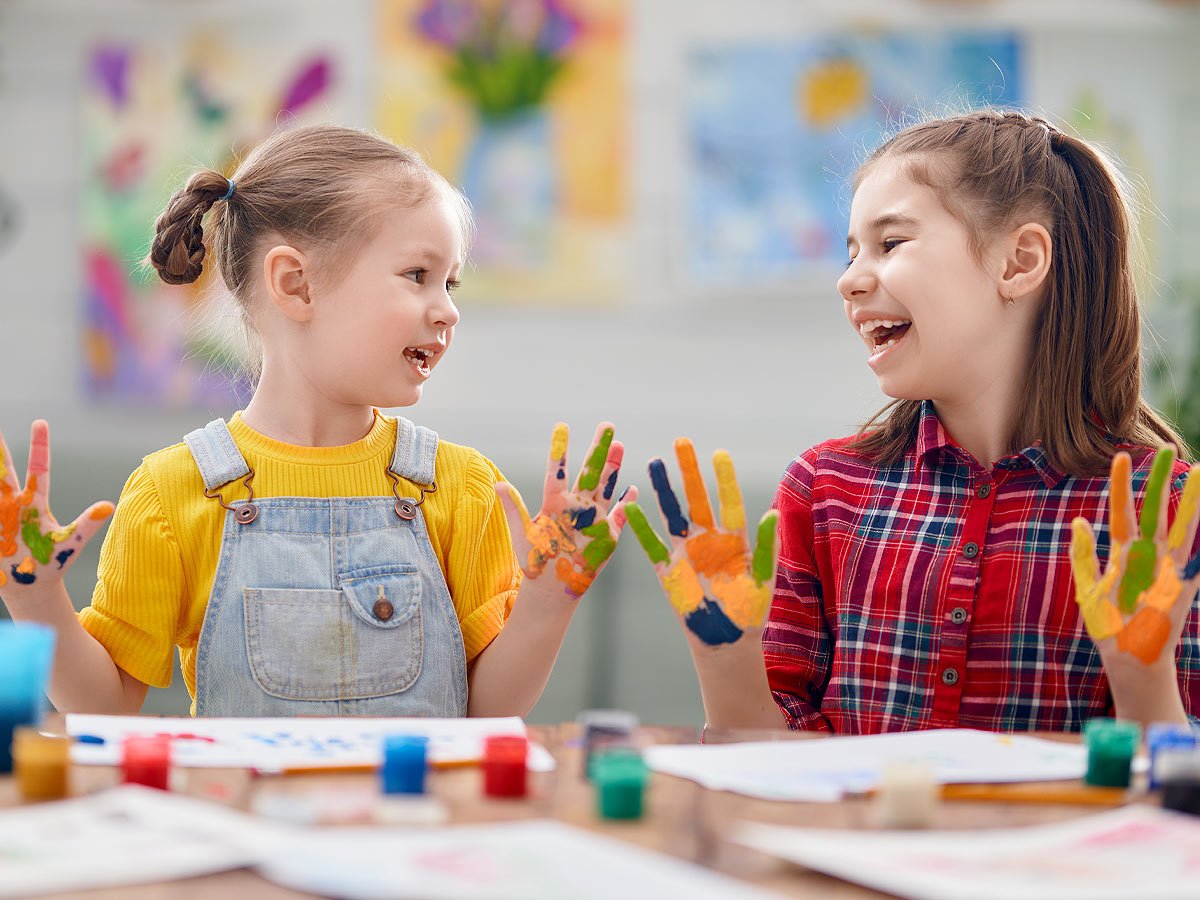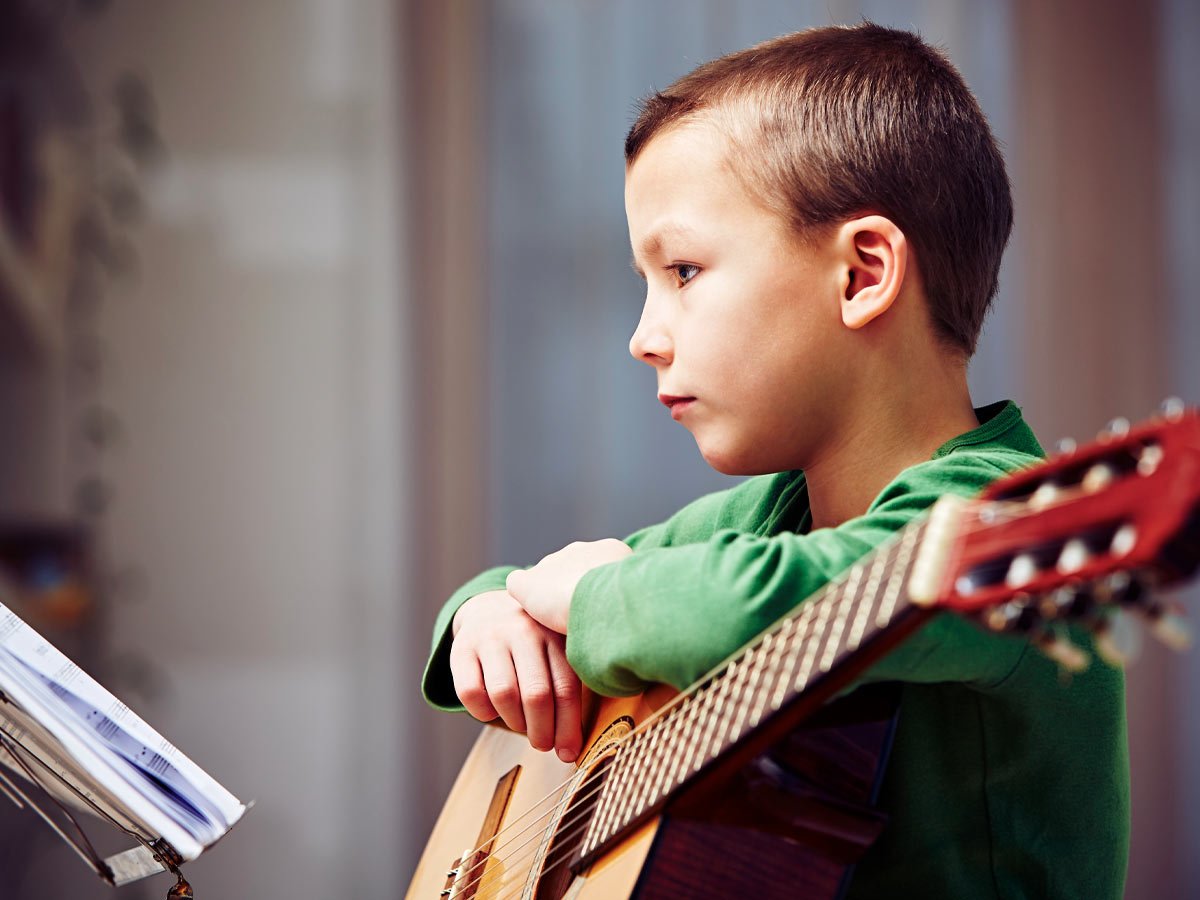

A child who happily settles into a familiar classroom, tells you about a science experiment at dinner, or proudly recognizes the letters in their name is doing more than passing time while you work. They are building a foundation. When parents compare private school vs daycare, the question is rarely just, “Where will my child be safe during the day?” It is often, “Where will my child be known, supported, and prepared to grow?”
Both settings can be caring, positive places for young children. The right choice depends on your family’s schedule, your child’s personality, and the kind of early learning experience you hope to provide. Understanding the differences can make the decision feel less overwhelming and more purposeful.
Private School vs Daycare: The Core Difference
Daycare is generally designed first to provide reliable care and supervision for children while parents work or attend school. Many daycare programs also offer learning activities, outdoor play, meals, rest time, and opportunities to socialize. Quality varies by provider, age group, staffing, and program philosophy, but a strong daycare can give young children a warm introduction to group settings.
A private early childhood school is designed around education from the beginning, while still providing the attentive care young children need. The school day is typically shaped by a curriculum, learning goals, teacher-led and child-led activities, enrichment, and regular communication with families. Rather than treating learning as an add-on to care, the program plans for children’s academic, social, emotional, and creative development together.
That difference matters most when families are looking beyond the immediate need for coverage. For a three- or four-year-old, an educational setting can help turn curiosity into confidence. For a kindergartener or early elementary student, it can provide continuity as foundational skills become more complex.
What Children Experience During the Day
A daycare schedule often centers on the rhythms of young children: arrival, free play, meals, naps or rest, outdoor time, and group activities. This structure can be especially appropriate for infants, toddlers, and families who need longer hours of care. Children learn important skills through play, routines, sharing space, and relationships with caregivers.
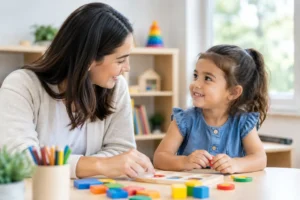
In a private school setting, children still have time to play, move, create, and connect with friends. The difference is that these experiences are intentionally connected to developmental goals. A teacher may use a story to build vocabulary, a cooking project to introduce measurement, or a block-building activity to encourage problem-solving and collaboration. Children are not asked to rush past childhood. They are invited to learn through it.
For parents, it can be helpful to ask what a typical morning and afternoon look like. Is there a balance of active play and focused learning? How are art, music, movement, and outdoor exploration included? Are children encouraged to ask questions and make choices? The daily experience tells you more than a program label ever could.
Academic Readiness Without Pressure
One reason families consider private school is the opportunity for intentional academic preparation. In a developmentally appropriate classroom, this does not mean long worksheets or unrealistic expectations for young children. It means building early literacy, number sense, listening skills, fine motor strength, and a genuine enjoyment of learning.
Children may explore sounds and letters, listen to rich stories, practice writing their names, count and sort materials, observe nature, and engage in conversations that expand their thinking. Just as importantly, they learn how to participate in a classroom: following routines, caring for materials, taking turns, and asking for help when they need it.
These early habits make later learning feel more familiar and manageable. A child who enters elementary school with confidence, curiosity, and a positive relationship with school has a meaningful advantage.
Social-Emotional Growth Is Part of the Curriculum
Young children are learning how to be part of a community. They are practicing how to join a game, recover from disappointment, express frustration with words, and understand that another person may see things differently. Those lessons happen everywhere children gather, but they are especially powerful when teachers have the time and training to guide them thoughtfully.
In a small classroom, teachers can notice when a child is quiet during group time, struggling to separate at drop-off, or ready for a greater challenge. They can help children name emotions, solve conflicts, and build independence without making them feel rushed or unseen.
This individualized support is not separate from academic growth. A child who feels secure is more willing to try a new activity, make a mistake, speak up, and persist. For many families, that sense of belonging is one of the clearest benefits of a school-based early education program.
Class Size, Teacher Relationships, and Communication
No two daycares or private schools are alike, so parents should look closely at the people and relationships behind the program. A warm classroom is not created by décor or a brochure. It is created by teachers who understand children, communicate clearly, and bring consistency to each day.
Smaller class sizes can make a real difference, particularly in the early years. They allow teachers to learn each child’s interests, strengths, and emerging needs. A child who loves drawing may be encouraged to tell stories through pictures. A child who is hesitant in groups may receive gentle support to participate. A child who is ready to move ahead can be challenged without losing the joy of learning.
Family communication also deserves careful attention. Ask how teachers share progress, address concerns, and celebrate milestones. Parents should not have to wait for a problem to learn how their child is doing. Regular conversations create a strong partnership between home and school, giving children the consistent support they need.
At The Winchester School, families value this personal connection alongside an educational program that serves children from Pre-K through second grade. For many children, remaining in a familiar, caring environment through these formative years can make transitions feel calmer and learning feel more connected.
When Daycare May Be the Better Fit
A private school is not automatically the right choice for every family or every season. Daycare may be the better fit when a family needs extended daily hours, year-round care, infant or toddler programming, or flexibility that aligns with changing work schedules. A trusted daycare provider with responsive caregivers, stable staffing, safe spaces, and engaging activities can be a wonderful choice.
Some children also benefit from beginning in a smaller or more gradual group-care setting before moving into a more structured school program. The goal is not to choose the option that sounds most impressive. It is to choose the environment where your child can thrive and your family can feel supported.
It is also worth remembering that cost, commute, calendar, and sibling logistics are real considerations. A program should be sustainable for your household, not simply appealing during a tour.
Questions to Ask on a School or Daycare Tour
A visit offers the clearest view of whether a setting feels right. Watch how adults speak to children. Notice whether classrooms feel calm, active, organized, and inviting. Listen for children’s voices, not just adult directions.
Ask about teacher experience and staff continuity, because young children build trust through dependable relationships. Ask how the program handles separation, conflict, toileting, rest time, allergies, and communication with families. If academic preparation is a priority, ask how teachers introduce literacy and math through meaningful, age-appropriate experiences.
You may also want to ask how the program responds when a child needs extra encouragement or is ready for more challenge. The answer should reflect genuine flexibility, not a one-size-fits-all approach.
Finally, picture your child in the space. Can you imagine them being greeted by name, finding a friend, trying something new, and coming home with a story to tell? That feeling is worth paying attention to.
Choosing a Place Where Your Child Can Grow
The private school vs daycare decision is not a test of parenting, and there is no universal answer. It is a decision about the kind of daily experience you want for your child during years of remarkable growth.
Look for a place where care and learning strengthen one another, where teachers see your child as an individual, and where your family feels welcomed into the community. The right environment will not only help your child get through the day. It will help them look forward to what they might discover tomorrow.