
A child who proudly carries a tiny backpack to school is not necessarily ready for the same experience as every other child their age. Some children are eager for a full morning of projects, stories, and group routines. Others need a little more time to build confidence separating from family, using words with peers, or managing a busy classroom. That is why the question of pre k vs preschool is less about choosing the “better” program and more about finding the setting where your child can feel secure, challenged, and known.
For families in the Silver Spring area, the names can be confusing. Schools, districts, and childcare programs do not always use preschool and Pre-K in exactly the same way. Looking beyond the label helps you focus on what matters most: your child’s developmental stage, the classroom experience, and the support available as they begin their school journey.
Pre-K vs Preschool: The Basic Difference
Preschool is a broad term for early childhood education before kindergarten. It often serves children between ages 2 and 4, though many programs begin at age 3. A preschool classroom gives young children opportunities to learn through play, practice social skills, explore early literacy and math concepts, and grow comfortable with routines outside the home.
Pre-K, short for pre-kindergarten, usually describes the year immediately before kindergarten. Many Pre-K programs serve 4-year-olds, although some private schools use the term for classrooms serving children ages 3 and 4. Pre-K often has a more intentional focus on the skills children will use in kindergarten, including listening in a group, following multi-step directions, recognizing letters and sounds, counting with purpose, and expressing needs and ideas clearly.
The distinction is useful, but it is not universal. One school’s preschool may offer the same age range and learning goals that another school calls Pre-K. Rather than relying on a program name alone, ask about the age range, daily schedule, curriculum, class size, and how teachers help children move toward kindergarten readiness.
What Children Learn at Each Stage
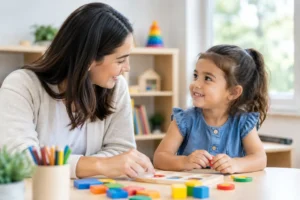
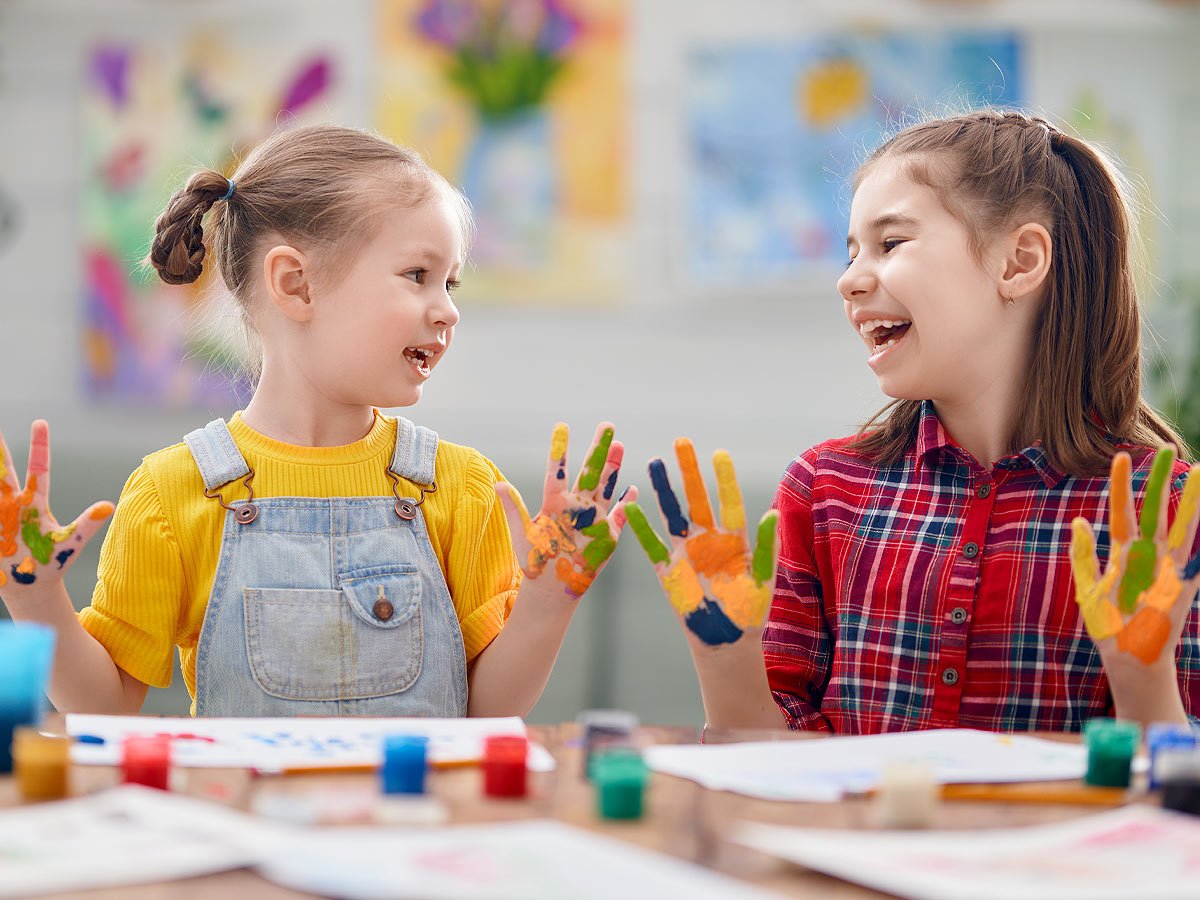
A strong preschool program does not rush children into formal academics. Instead, it gives foundational learning a meaningful context. Children may sort leaves by color and size, listen for rhymes during a story, build a bridge with blocks, or use dramatic play to practice taking turns. These experiences build language, curiosity, problem-solving, fine motor control, and the social confidence needed for later learning.
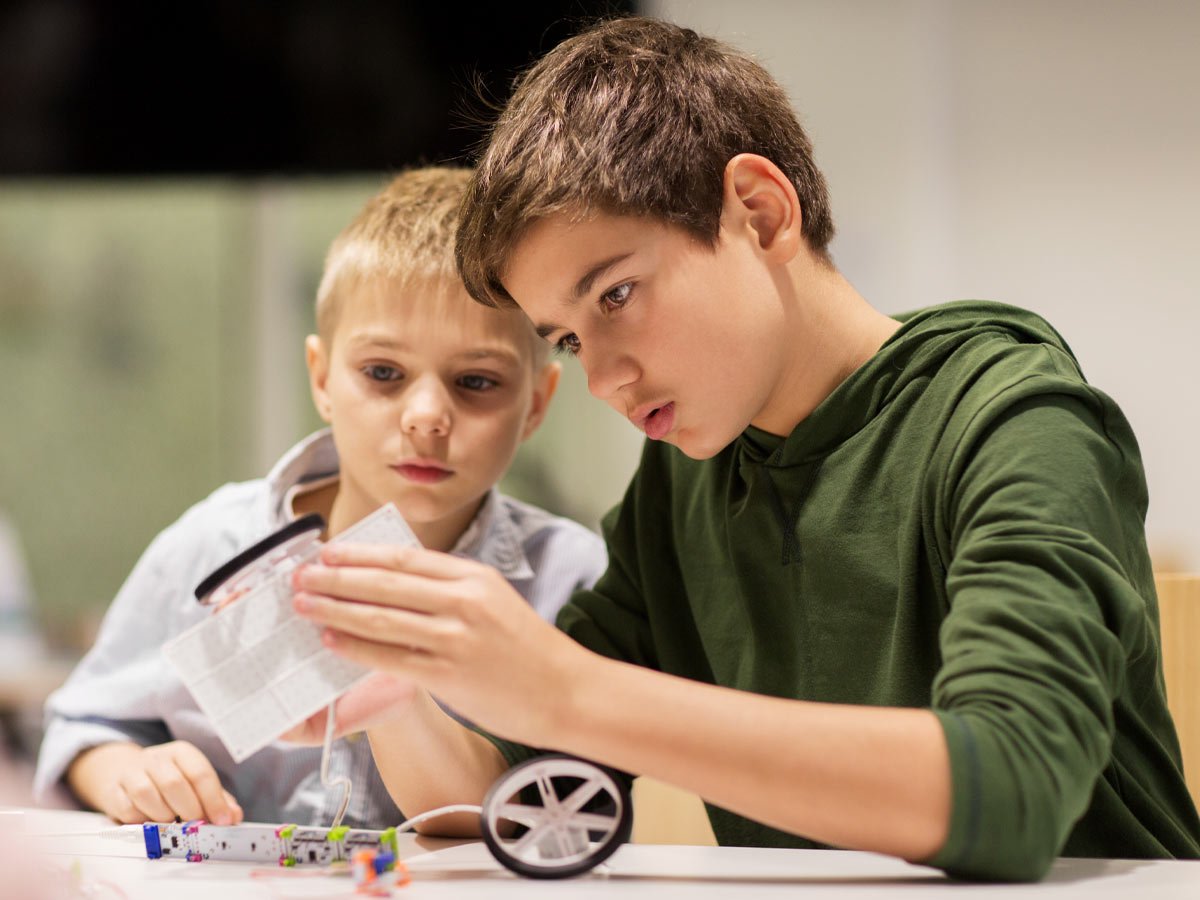
Pre-K continues that hands-on approach while adding greater structure and independence. Children may spend more time with letter-sound relationships, name writing, counting, patterns, and early science observations. They also practice sitting for short group lessons, completing a task before moving on, caring for materials, and participating in conversations with classmates.
The goal is not for every child to leave Pre-K reading chapter books or completing worksheets far beyond their age. A meaningful academic start should help children see themselves as capable learners. When a child feels safe enough to ask questions, make mistakes, and try again, academic skills have room to grow.
Social-emotional growth is part of readiness
For young children, learning to join a game, wait for a turn, recover after disappointment, and ask a teacher for help is not separate from school success. It is central to it. Preschool and Pre-K should both make room for these skills through caring guidance, predictable routines, and plenty of conversation.
A child who is quiet in a new setting may need a teacher who gently invites participation without pressure. A child with lots of energy may benefit from movement, outdoor time, and clear expectations. These are not signs that a child is behind. They are reminders that children develop at different paces and thrive when adults respond to who they are.
How to Decide Which Program Is Right
Age eligibility is often the first practical consideration. Private schools may have their own birthday cutoffs, while public Pre-K options can have specific residency, income, or enrollment requirements. Ask each program directly which age group it serves and whether placement is based only on age or also on developmental readiness.
Then consider your child’s experience. A child who has already attended a group program may be ready for a longer day or a classroom with more structured learning periods. A child who is new to school may do best with a nurturing transition, a consistent daily rhythm, and teachers who make family communication a priority.
It also helps to think about the coming year, not just the first week. Does the program build independence gradually? Will your child have chances to develop friendships? Does the curriculum balance early academics with art, music, movement, imaginative play, and outdoor exploration? A school day can be joyful and purposeful at the same time.
If you are deciding between a preschool classroom and a more kindergarten-focused Pre-K experience, pay attention to how the school describes readiness. The strongest programs do not define readiness as a checklist alone. They look at the whole child: social confidence, language, emotional regulation, curiosity, physical development, and emerging academic understanding.
Questions to Ask During a School Visit
A school tour offers more than a look at the classroom. It gives you a chance to see how children are greeted, how teachers speak to them, and whether the environment feels calm, inviting, and active in age-appropriate ways. Children do not need a perfectly quiet classroom. They do need adults who can guide a lively group with warmth and consistency.
Ask how teachers introduce literacy and math, and request examples of what a typical day looks like. Find out how much time children spend in small groups, whether they have opportunities for open-ended play, and how the school supports children who need extra encouragement or additional challenge.
You may also want to ask about communication with families. Early childhood education works best when parents and teachers share observations. A quick conversation about a new friendship, a growing interest in books, or a tricky drop-off can help families and teachers respond together.
Finally, ask about continuity. Moving from one class to another is easier when children and families feel part of a connected school community. At The Winchester School, experienced teachers, small classes, and a developmentally appropriate path from Pre-K through early elementary grades help create that sense of familiarity as children grow.
The Value of a Balanced Early Education
There is a trade-off to consider when comparing programs. A highly structured setting may offer clear routines and frequent academic practice, but it should still leave room for movement, creativity, and child-led discovery. A play-centered environment can be wonderfully engaging, but families should also understand how teachers intentionally build early language, math, and self-help skills within that play.
The best fit usually brings both together. Children need stories, songs, blocks, paint, questions, outdoor play, and time to talk. They also benefit from learning how to care for a book, recognize their name, use scissors, listen to a friend, and persist with a task that feels challenging.
For parents, the decision can feel significant because it is significant. These early years shape how children feel about school, relationships, and their own ability to learn. Still, you do not have to find a program that promises to make your child perfect or advanced overnight. Look for one that sees your child clearly, partners with your family, and offers a steady next step.
As you visit classrooms and compare options, notice your own response as well as your child’s. The right beginning often feels like a place where your child can be little, while becoming more capable every day.