
The morning your child insists on fastening their own jacket, tells you a detailed story about a ladybug, or proudly writes the first letter of their name, you may wonder: Are they ready for kindergarten? A kindergarten readiness parent guide can offer helpful direction, but it should never make childhood feel like a checklist. Readiness is not about having a child who can already do everything. It is about helping them enter school feeling safe, curious, capable, and ready to grow.
For many Silver Spring-area families, kindergarten is the first major step into a more structured school day. It brings new routines, new relationships, and more opportunities to learn alongside peers. The strongest preparation happens gradually, through ordinary moments at home, caring conversations, and a school environment that understands each child as an individual.
What Kindergarten Readiness Really Means
Kindergarten readiness includes early academic skills, but academics are only one part of the picture. A child benefits from recognizing some letters and numbers, listening to a story, and using language to share ideas. Just as meaningful are the skills that help them participate in a classroom community: waiting for a turn, asking for help, trying again after frustration, and separating from a caregiver with growing confidence.
Children develop at different paces. One child may arrive eager to read but need practice joining a group. Another may be deeply imaginative and socially comfortable while still learning to hold a pencil with control. Neither profile tells the whole story. Developmentally appropriate kindergarten teaching meets children where they are and gives them meaningful next steps.
Rather than asking, “Can my child keep up?” consider a more useful question: “What support will help my child feel successful as they learn?” That shift makes room for both encouragement and realistic preparation.
Build Comfortable School-Day Routines
A predictable rhythm can make the first weeks of kindergarten feel far less overwhelming. Children do not need a tightly scheduled day at home, but they do benefit from practicing a few routines before school begins. Start with a consistent bedtime and morning wake-up time several weeks before the first day, especially if summer has been more relaxed.
Talk through the morning in simple language. Your child might practice getting dressed, putting belongings in a backpack, eating breakfast, and leaving the house without rushing. Offer enough time for them to try tasks independently. It can be tempting to zip the coat or pack every item when the clock is moving, but small daily chances to participate build real confidence.
Mealtimes are useful practice, too. If your child will bring lunch, let them open containers, use a napkin, and ask for help when something is tricky. Choose containers they can manage independently when possible. The goal is not perfection. It is helping them know that they can handle familiar parts of the day and speak up when they need an adult.
Support Independence Without Expecting Too Much
Independence in kindergarten looks age-appropriate. Children are still learning, and they should be able to rely on caring adults. At the same time, being able to complete simple personal tasks gives a child a sense of ownership in the classroom.
Practice using the restroom independently, washing hands, putting on shoes, cleaning up a toy or activity, and recognizing personal belongings. If your child struggles with a task, break it into smaller steps and keep your tone calm. A child who hears, “Let’s try the first part together,” is more likely to persist than one who feels rushed or corrected.
This is also a good season to help children manage small disappointments. When a tower falls or a sibling has a turn with a favorite toy, name the feeling before moving toward a solution. “You are disappointed that the tower fell. Would you like to rebuild it or take a breath first?” These moments teach that difficult feelings are manageable, not something to fear.
Grow Early Learning Through Everyday Play
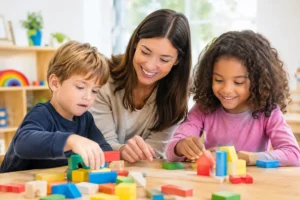
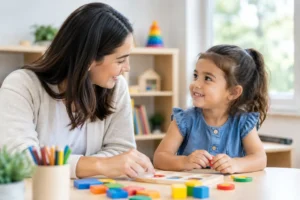
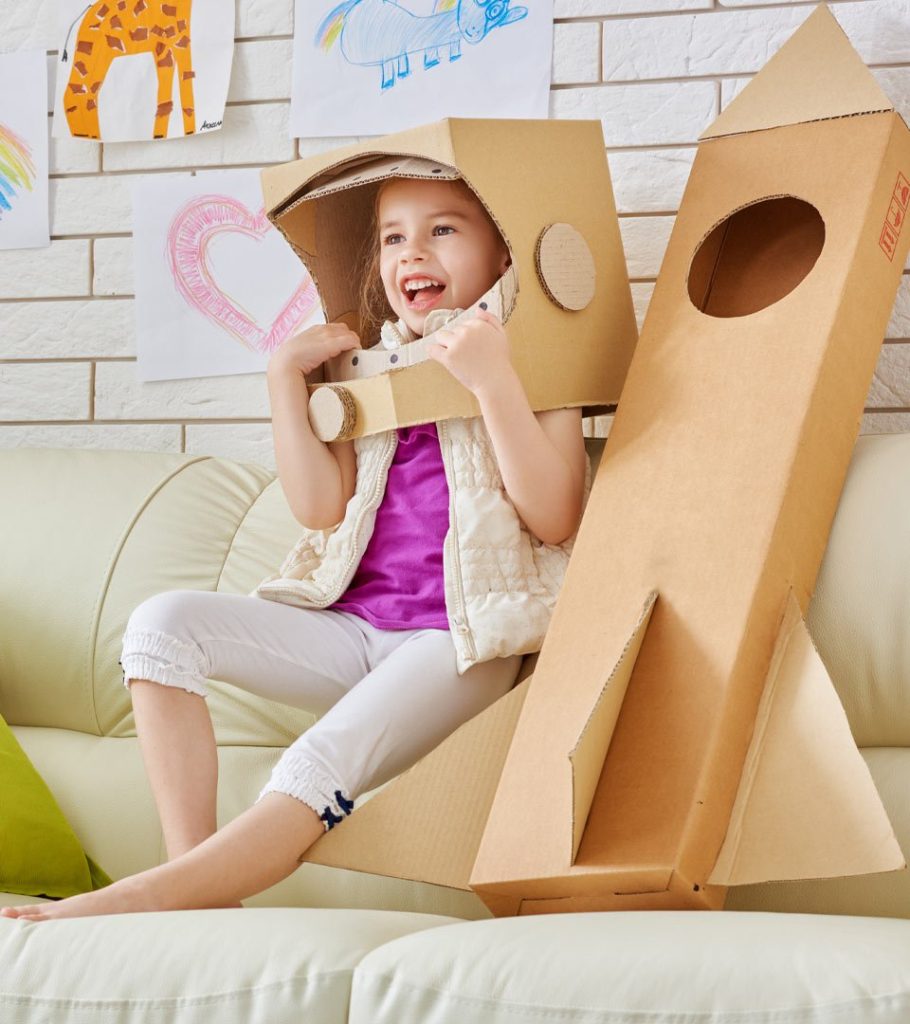
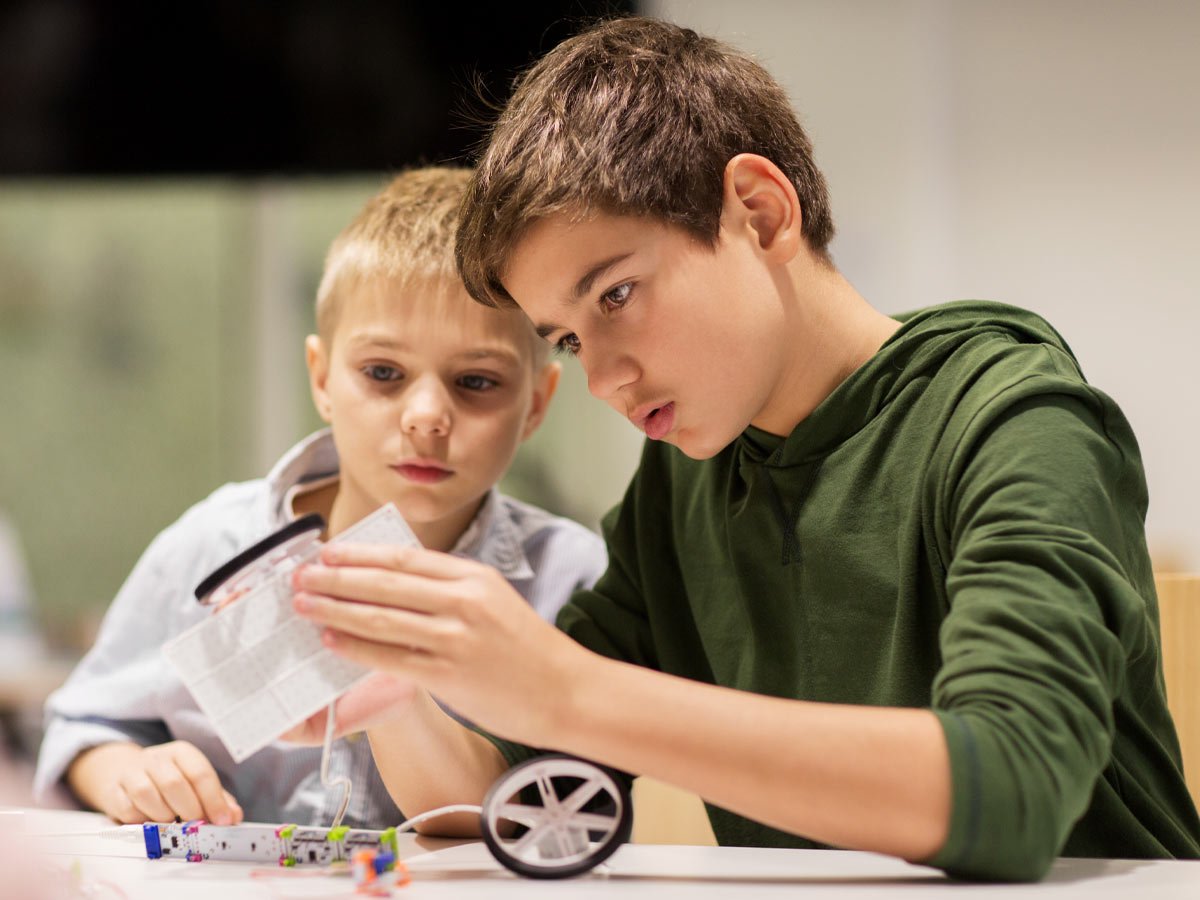
Families do not need to recreate a kindergarten classroom at the kitchen table. In fact, formal drills can sometimes turn early learning into a source of pressure. Young children learn best when skills are connected to play, conversation, movement, and real experiences.
Read together every day, even if only for a few minutes. Pause to ask what your child notices in the illustrations, what they think may happen next, or how a character might be feeling. Let them retell the story in their own words. These exchanges strengthen vocabulary, comprehension, listening, and the confidence to share an idea in a group.
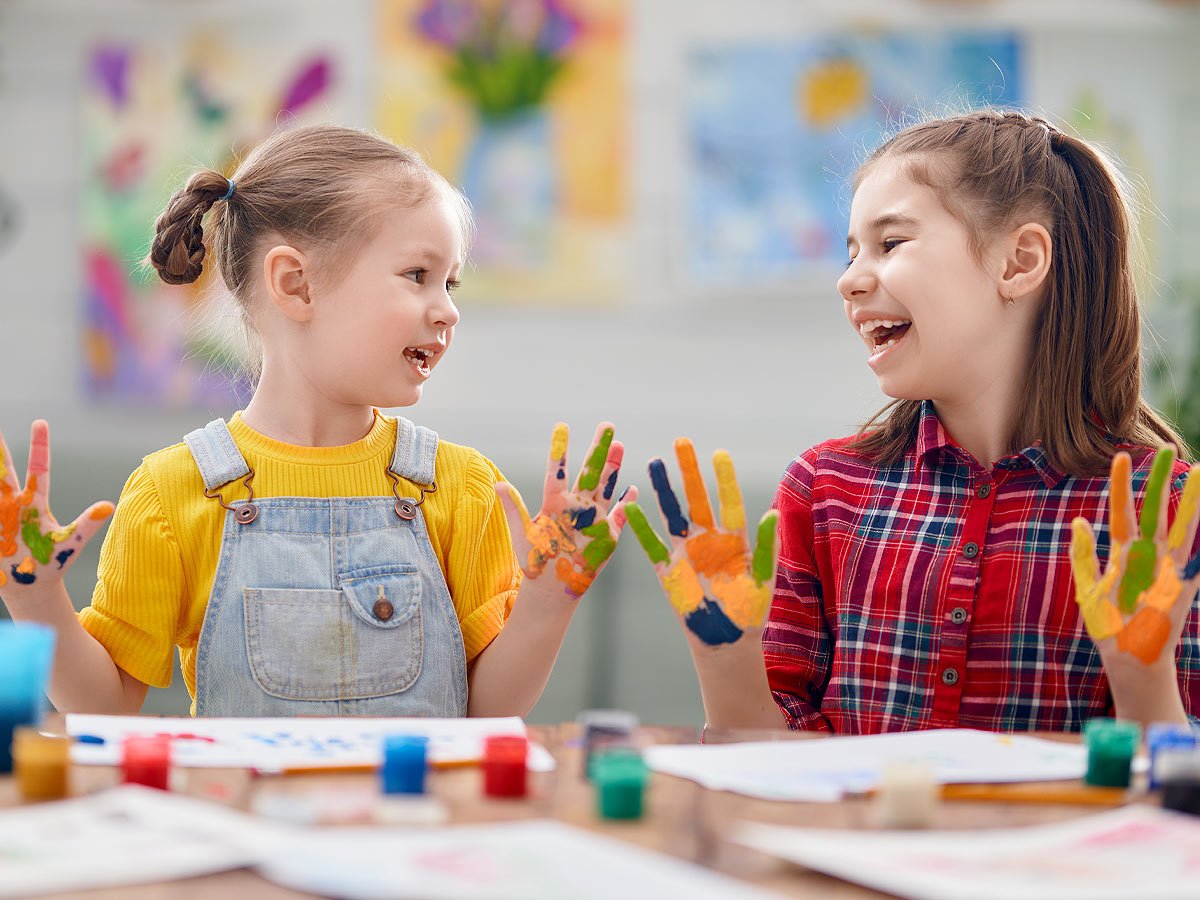
Invite early writing without worrying about perfect spelling or letter formation. Keep paper, crayons, markers, and pencils available for drawing, making signs, writing a pretend menu, or creating a card for someone they love. If your child writes a string of letters and explains that it says “Grandma’s house,” celebrate the meaning behind the marks. Writing develops over time, beginning with the understanding that print communicates ideas.
Math can be part of nearly every day. Count apples at the grocery store, compare which cup holds more water, sort socks by color, or notice shapes on a neighborhood walk. Ask questions that encourage thinking: “How did you know there were more?” or “What could we do to make these groups equal?” The conversation matters more than getting a quick right answer.
Help Your Child Practice Being Part of a Group
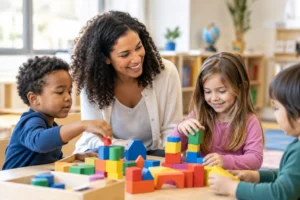
Kindergarten classrooms are lively communities. Children learn when to listen, how to contribute, and how to navigate differences with others. Group readiness does not mean a child must be quiet or naturally outgoing. It means they are beginning to understand that everyone has a place in the room.
Give your child opportunities to play with peers, relatives, or trusted family friends. During play, gently coach language they can use when they want a turn, disagree, or hope to join in. Simple phrases such as “Can I play too?” “I am not finished yet,” and “Let’s find another one” can be surprisingly powerful when a child has practiced them beforehand.
Pay attention to separation, too. If your child is anxious about being away from you, avoid framing school as something they simply need to “get over.” Instead, acknowledge the feeling and describe the plan. “You may miss me after I leave. Your teacher will be with you, you will have activities to do, and I will come back after school.” A warm, predictable goodbye helps more than a long or uncertain departure.
Notice the Signs That Extra Support May Help
Readiness is not a pass-or-fail test, and no parent needs to solve every concern alone. Still, it is wise to share observations with your child’s teacher or pediatrician if communication, behavior, motor skills, hearing, vision, or daily routines are causing persistent difficulty. Early conversations can lead to practical support and reduce stress for everyone.
Consider reaching out if your child regularly cannot communicate basic needs, has extreme distress that does not ease with familiar separations, struggles to engage with other children or adults, or has difficulty with everyday tasks far beyond what you would expect for their age. These signs do not define a child or predict their future. They simply offer useful information about where additional care may be needed.
A responsive school will welcome that partnership. Teachers can share what they observe in the classroom, explain developmental expectations clearly, and work with families on strategies that fit the child rather than applying a one-size-fits-all approach.
Choose a Kindergarten Setting That Knows Your Child
The transition to kindergarten is easier when families feel known as well as informed. During a school visit or conversation, listen for how educators describe children. Do they speak only about benchmarks, or do they also talk about confidence, relationships, creativity, and the joy of learning?
Ask how teachers communicate with families, how they support a child who needs extra reassurance, and how they adapt instruction for different learners. Small class sizes and experienced teachers can make a meaningful difference because children are more likely to receive the individual attention that helps them take healthy risks and build skills at their own pace.
At The Winchester School, this balance is central to early learning. Children are supported through foundational academics, hands-on exploration, creative enrichment, and social-emotional growth within a warm school community. The purpose is not to rush children through childhood. It is to help them become joyful learners who are prepared for the next step.
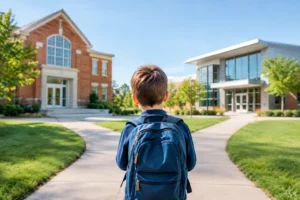
As kindergarten approaches, keep the focus close to home: read one more story, practice one more goodbye, let your child attempt one more task independently, and remind them often that school is a place where they will be cared for while they learn. Those steady messages can become the confidence they carry through the classroom door.