
A child who can name every letter may still feel overwhelmed by a busy classroom. Another child who is still working on pencil grip may be wonderfully prepared to listen, make friends, and try something new. When parents ask, “what are signs of kindergarten readiness,” the most helpful answer looks beyond one skill or a single checklist.
Kindergarten readiness is about whether a child is prepared to participate in a school day with growing confidence. It includes early academic understanding, of course, but also communication, self-care, emotional regulation, curiosity, and the ability to learn alongside other children. Every child develops on an individual timetable, and readiness can look different from one child to the next.
At a nurturing school, teachers meet children where they are and help them take their next steps. Still, knowing what to look for can help families make a thoughtful, encouraging decision about kindergarten.
What Are Signs of Kindergarten Readiness?
A kindergarten-ready child does not need to read chapter books, write perfectly, or sit silently for long stretches. Young children learn through movement, conversation, play, repetition, and hands-on exploration. The strongest signs are usually a combination of skills rather than mastery in every area.
They can separate from a caregiver with support
Many children feel a little nervous at drop-off, especially during the first weeks of school. That is normal. A positive sign is that your child can accept comfort from another trusted adult and begin engaging in an activity after you leave, even if the transition takes time.
A child does not need to walk in without a backward glance to be ready. What matters more is their growing ability to recover from a goodbye, trust their teacher, and settle into the rhythm of the day. Consistent routines at home, short practice separations, and calm, confident goodbyes can make this transition easier.
They can communicate needs, ideas, and feelings
Kindergarteners benefit from being able to tell an adult when they need help, need the bathroom, are hurt, or do not understand a direction. They should also be building the language to join play, answer simple questions, and share an idea with classmates.
Clear speech is not the requirement. Some children are naturally quiet, are learning more than one language, or need more time to warm up in groups. The key is that they have ways to communicate and are developing confidence using them. A teacher can support a reserved child, but it helps when the child can signal needs rather than becoming completely stuck.
They can participate in a group routine
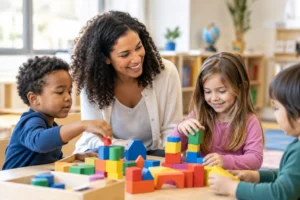
Kindergarten brings many shared moments: morning meeting, story time, centers, snack, cleanup, outdoor play, and transitions between activities. Readiness often shows up when a child can follow one- or two-step directions, wait briefly for a turn, and shift from a preferred activity to the next part of the day with support.
No five-year-old does this perfectly. Children are still learning patience and flexibility. A child who sometimes protests cleanup but responds to a teacher’s reminder is in a very different place from a child who cannot yet participate in any group activity. Small class sizes and experienced teachers can make a meaningful difference here, because children receive the guidance and reassurance they need in those early routines.
They are building independence with everyday tasks
Kindergarten is more manageable when children can handle some basic needs with growing independence. They may still need help with a tricky zipper or lunch container, but they should be practicing skills such as using the toilet independently, washing hands, opening simple packaging, putting on a coat, and cleaning up materials.
Independence is not about expecting children to do everything alone. It is about helping them feel capable. At home, allow a little extra time for your child to try. Let them carry their backpack, put toys away, choose between two weather-appropriate outfits, and practice asking for help with specific words.
Early Academic Skills Matter, but They Are Not the Whole Story
Kindergarten introduces foundational reading, writing, math, science, and problem-solving skills. Children benefit from arriving with familiarity, but they do not need to have completed the curriculum before the first day.
Early literacy begins with language and curiosity
A child may show kindergarten readiness by enjoying books, listening to a story, recognizing some letters, noticing rhymes, or attempting to write their name. They may understand that print carries meaning and that books have a front, back, and pages that move in order.
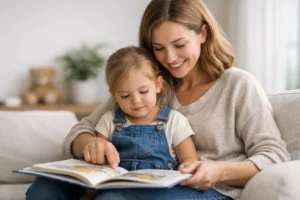
The most valuable preparation is often simple: read together every day. Pause to wonder what might happen next, point out letters in a grocery store, let your child retell a favorite story, and celebrate their questions. These moments build vocabulary, attention, and a joyful relationship with language.
Early math grows through daily life
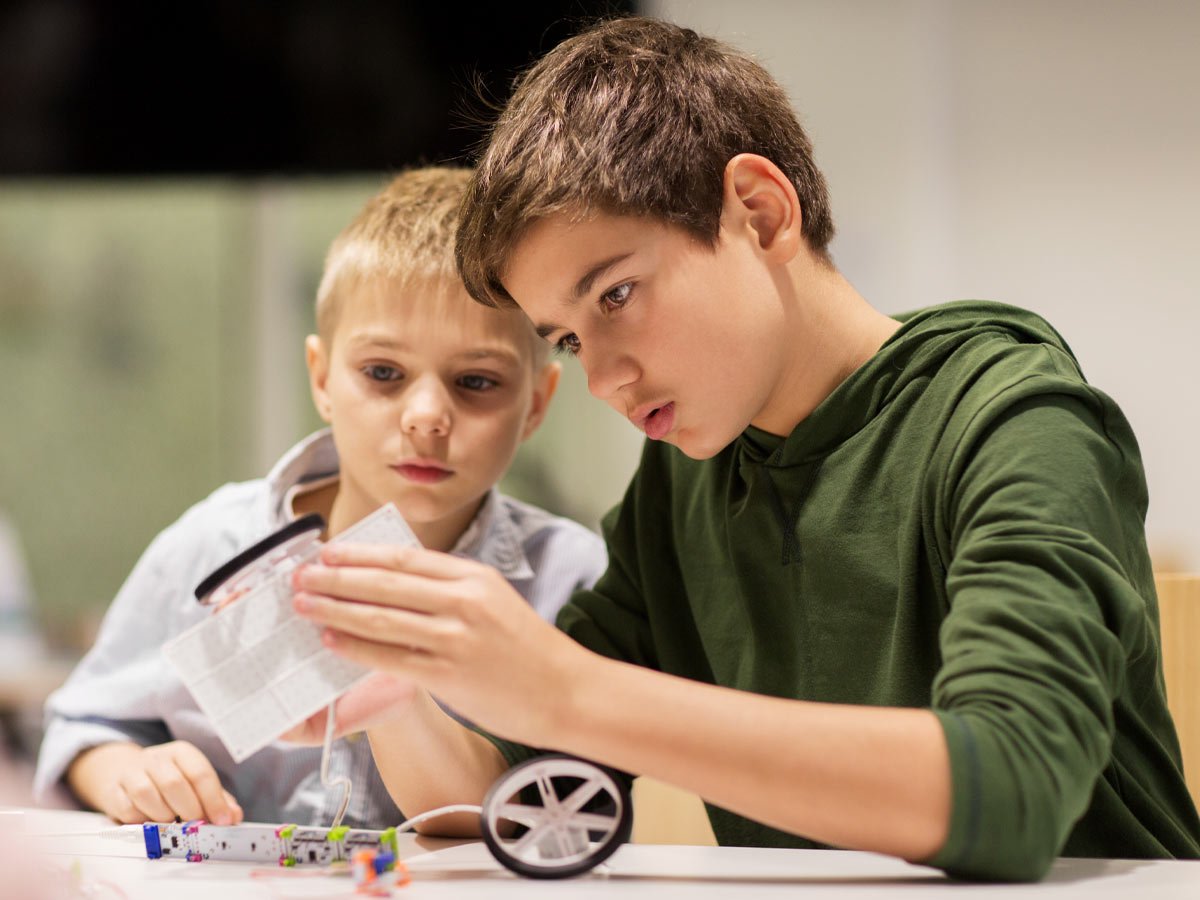
Children do not need to memorize long number sequences or complete worksheets to be prepared for kindergarten math. Useful signs include counting small groups of objects, recognizing a few numerals, comparing more and less, sorting items by color or shape, and noticing simple patterns.
Cooking, setting the table, matching socks, and counting steps to the car all offer meaningful practice. Hands-on experiences help children understand that math is part of everyday life, not just something that happens on paper.
Fine motor development supports classroom learning
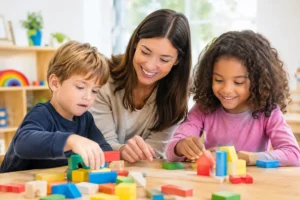
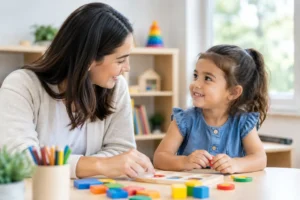
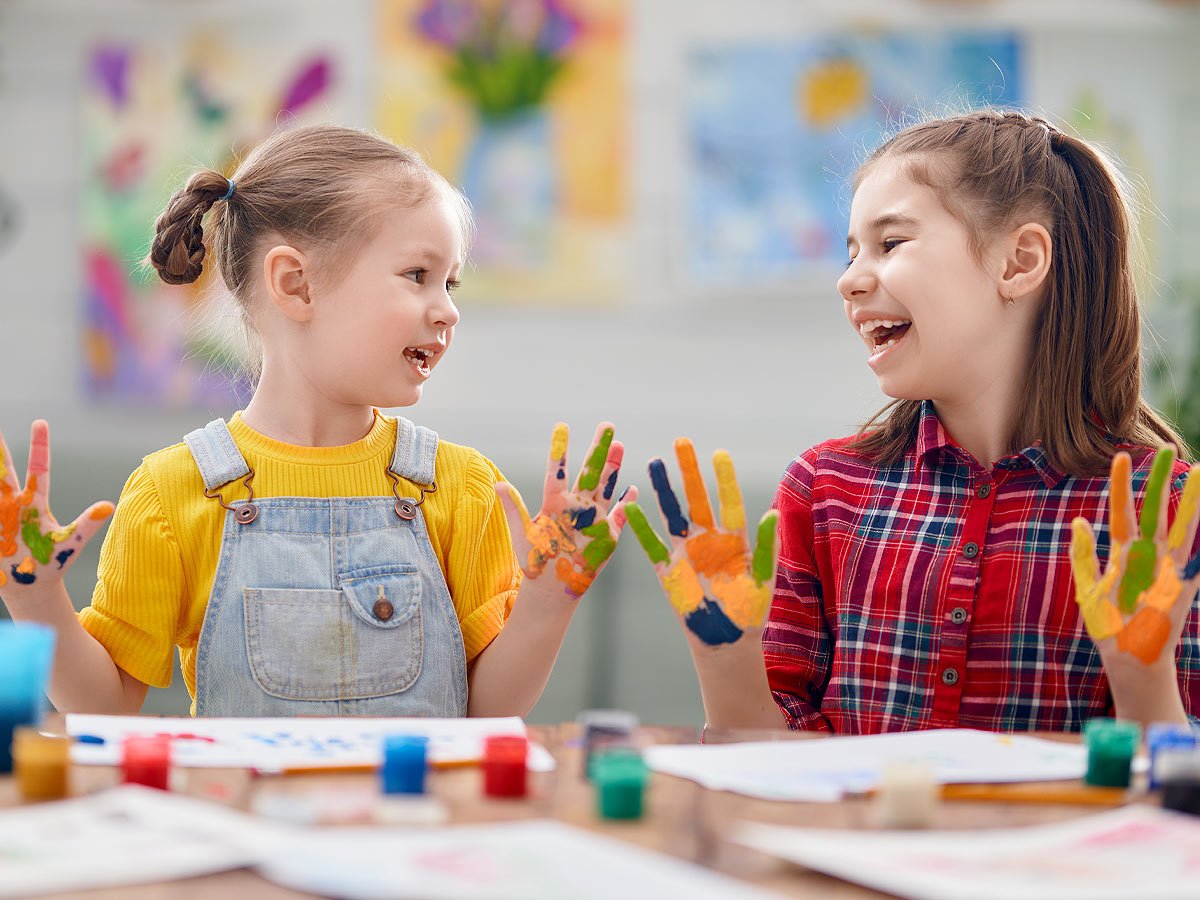
Drawing, coloring, building with small blocks, using child-safe scissors, rolling play dough, and turning book pages all strengthen the hands and coordination children use for writing and classroom projects. A child’s name may be written in large, uneven letters, and that is perfectly appropriate. Progress matters more than polish.
If your child avoids these activities or becomes frustrated quickly, offer short, low-pressure practice. The goal is not to turn play into a test. It is to build comfort, strength, and persistence.
Social-Emotional Readiness Is a Powerful Foundation
Kindergarten asks children to share space, materials, attention, and ideas. They do not need to arrive as expert problem-solvers, but they should be beginning to practice the skills that make relationships possible.
A ready child may be learning to take turns, enter play, share with reminders, and respond when someone says “stop.” They may still cry when disappointed, but they are increasingly able to calm with adult support. They may say, “I’m mad,” instead of hitting, or ask for a turn instead of grabbing immediately.
This is where a warm classroom community matters. Children learn emotional skills through trusted relationships, clear expectations, and repeated opportunities to practice. They need adults who notice the child who hangs back, coach the child who is frustrated, and celebrate the child who tries again after a mistake.
When a Child Is Not Yet Ready in Every Area
It is common for parents to worry that one area of growth means their child is not ready at all. In reality, very few children begin kindergarten with equal strength across academics, independence, language, and social-emotional development.
Consider the overall picture. Is your child growing over time? Can they learn with encouragement? Do they show curiosity and a willingness to try? Are their challenges ones that can be supported through a thoughtful classroom routine, or are they consistently preventing participation in daily activities?
It also depends on the school environment. A child who would struggle in a large, highly structured setting may thrive in a smaller classroom with individualized attention, hands-on learning, and close communication between teachers and families. If you have concerns about speech, behavior, sensory needs, or development, speaking openly with your child’s pediatrician and prospective school can help you make a plan based on your child, not on comparison with peers.
How Families Can Prepare Without Creating Pressure
The months before kindergarten are a wonderful time to build routines that help children feel secure. Practice a predictable morning schedule, visit the school if possible, and talk through what a school day may include. Use positive, honest language: there will be new friends, new teachers, times for play, and moments when they may need to wait or ask for help.
Invite your child into the preparation. Let them practice opening their lunch, choosing a backpack, or picking a few books for bedtime. Name the feelings that may come up: excitement, worry, pride, and even sadness can all belong in a new beginning.
At The Winchester School, readiness is understood as a partnership between children, families, and caring educators. A child’s first school experience should build confidence as well as knowledge, giving them room to grow into joyful learners.
As kindergarten approaches, look for progress rather than perfection. Your calm encouragement, daily routines, and belief in your child’s ability to grow can become the steady foundation they carry through the classroom door.