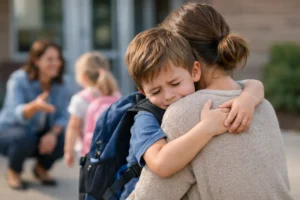

A child who pauses at the doorway, unsure about joining an activity, needs more than a cheerful greeting. They need an adult who notices, knows what may help, and has the time to stay close until that child feels ready. In the early years, those small moments shape how children see school, themselves, and their ability to learn. That is why do small class sizes matter is such an important question for families choosing a preschool or early elementary program.
Small classes are not simply quieter rooms with fewer chairs. They create the conditions for teachers to know each child well: their interests, emerging skills, favorite ways to learn, and the moments when they may need reassurance or an extra challenge. For children ages 3 through 8, that personal connection can make a meaningful difference in both academic growth and emotional well-being.
Why Do Small Class Sizes Matter in Early Education?
Young children learn through relationships. Before they can fully explain what is confusing, frustrating, or exciting, they communicate through body language, play, questions, and behavior. A teacher in a smaller class is better positioned to see those signals and respond with care.
That might mean noticing that a child who knows letter sounds hesitates to use them during writing time. It may mean recognizing that a child who is unusually quiet at circle time has plenty to say while building with blocks. It can also mean offering a gentle reminder before a disagreement becomes overwhelming. These responses are not extras. They are part of developmentally appropriate teaching.
In a small classroom, children are less likely to feel invisible. They have more opportunities to speak, ask questions, practice new skills, and receive feedback while the learning is still fresh. Teachers can adjust their approach in the moment rather than waiting for a formal assessment or parent conference to identify a need.
More Time for Individualized Learning
Children do not all develop on the same timetable, even when they are the same age. One child may be ready to read simple books but still be working on taking turns in a group. Another may have strong number sense and need encouragement to share ideas aloud. Small class sizes make it easier to honor those differences without making any child feel singled out.
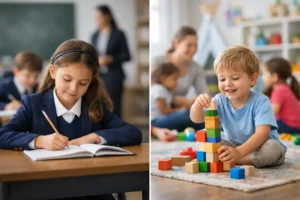
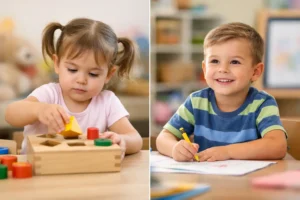
A teacher can offer an extra prompt to a child who is learning to hold a pencil comfortably, then turn to challenge a confident writer to add details to a story. During a math activity, some children may sort objects by color while others explain patterns or compare quantities. The class can remain connected through a shared experience while each child receives support at an appropriate level.
This is especially valuable in Pre-K, Kindergarten, and the early grades, when foundational skills are taking shape. Children need repeated, meaningful practice with language, early literacy, math concepts, problem-solving, and fine motor development. They also need adults who can recognize when practice is building confidence and when it is becoming discouraging.
Individualized attention does not mean children are constantly separated from their peers. Quite the opposite. A thoughtful teacher uses knowledge of each child to create group experiences where everyone can participate and grow. The goal is a classroom community where children are known as individuals and valued as members of the group.
Strong Relationships Support Confident Learners
For a young child, feeling safe at school is closely connected to being ready to learn. When children trust their teachers, they are more willing to try something unfamiliar, make a mistake, ask for help, and try again. Those are the habits that support lifelong learning.
Smaller classes give teachers more opportunities to build trust through everyday interactions. They can greet each child personally, follow up on a story shared the day before, and notice when a child needs a quiet check-in. Children learn that their ideas matter and that adults will listen.
Peer relationships benefit, too. Teachers have more capacity to guide children through the social work of early childhood: joining play, using words to solve a problem, waiting for a turn, and recovering after disappointment. Rather than only responding once a conflict has escalated, teachers can coach children as they learn to navigate friendships.
These lessons are essential, not separate from academics. A child who can participate in a group, manage big feelings with support, and communicate needs clearly is better prepared to engage with classroom learning. Social-emotional growth and academic growth move forward together.
A Classroom Where Every Voice Has Room
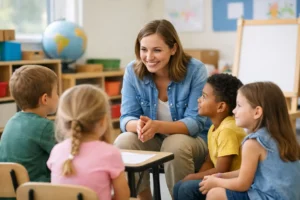
In larger groups, some children naturally take up more space while others may hang back. Small classes offer more natural openings for each child to contribute. A child can share an observation during a science activity, retell part of a story, or explain how they solved a puzzle without competing for limited attention.
Over time, these experiences build confidence. Children begin to see themselves as capable participants in a learning community. They learn that listening matters as much as speaking, and that classmates may have ideas different from their own.
For children who are more reserved, this can be particularly meaningful. They do not need to become the loudest voice in the room to be recognized. A caring teacher can make space for their strengths and help them participate in ways that feel comfortable and authentic.
Communication With Families Becomes More Personal
Parents and guardians want to know more than whether the day went well. They want to understand what their child is learning, who they are becoming in the classroom, and how to support that growth at home. Small class settings encourage the kind of communication that makes this partnership possible.
When teachers know children closely, they can share specific observations: a new interest in drawing maps, persistence with a challenging puzzle, kindness shown to a friend, or growing independence during morning routines. These details help families feel connected to their child’s school day and offer a fuller picture than a general update ever could.
Open communication also helps teachers and families work together when a child is facing a challenge. Whether a child is adjusting to a new routine, developing a skill, or working through a social situation, timely conversations create consistency between home and school. Children benefit when the important adults in their lives are aligned and encouraging.
At The Winchester School, this family partnership is part of the daily rhythm of a close-knit learning community. Parents are not treated as observers from a distance. They are valued as essential partners in helping children feel secure, capable, and ready for what comes next.
Small Does Not Mean Less Opportunity
Some families wonder whether a small class can provide enough variety, energy, and social opportunity. It is a fair question. A smaller group should still be rich with conversation, collaboration, movement, creativity, and age-appropriate challenge.
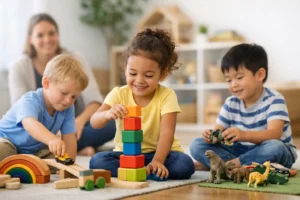
The strength of a small class lies in the quality of those experiences. Children can work together on projects, explore materials hands-on, share imaginative play, and build friendships across the school day. With attentive guidance, teachers can create active classrooms that feel joyful and engaging without becoming overwhelming.
Class size is not the only factor that matters. Teacher experience, curriculum, classroom environment, family communication, and a school’s values all play important roles. A small class is most meaningful when it is paired with skilled educators who understand child development and use the time it creates with purpose.
What Parents Can Look For
When visiting a school, look beyond the number of children in the room. Notice how teachers interact with them. Do they speak with children at eye level? Are they listening closely and responding with patience? Do children appear comfortable asking questions or seeking help?
Ask how teachers assess progress, adapt instruction, and communicate with families. Listen for examples rather than broad promises. A school that values individualized support should be able to describe how it helps children who need an extra boost, as well as those who are ready for more challenge.
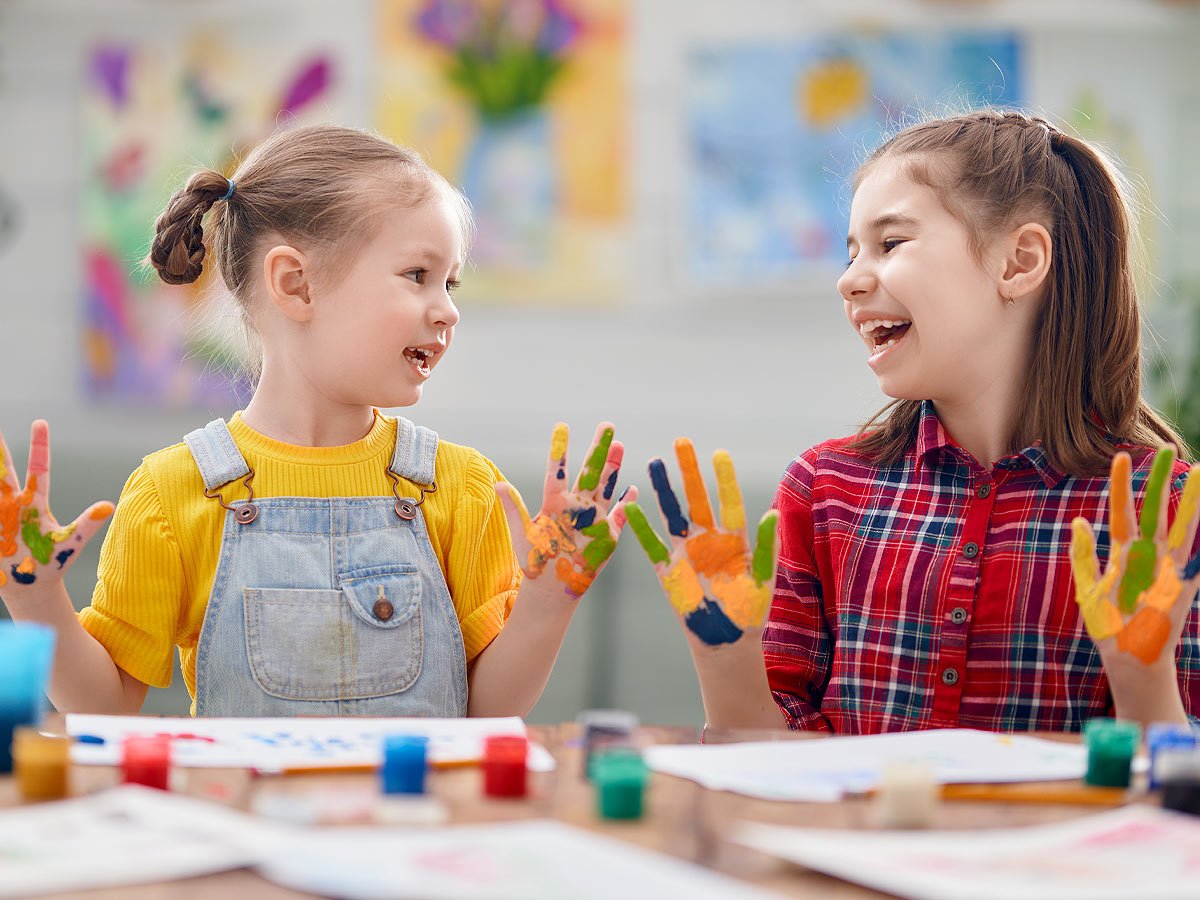
Most of all, pay attention to the feeling of the classroom. Young children thrive when school feels both welcoming and purposeful: a place where they can paint, build, question, practice, laugh, and gradually discover what they can do. The right environment gives them room to be little while preparing them to grow.
A small class cannot remove every hard moment from childhood, nor should it. Children still need to practice patience, perseverance, and flexibility. But with caring teachers close by, each hard moment can become a chance to feel understood, build confidence, and take one more brave step forward.