
A child’s first school experiences are shaped by far more than alphabet practice, counting, and classroom routines. They are shaped by adults who understand how young children think, communicate, build confidence, and learn through relationships. For parents asking, what is an early childhood education major, the answer begins there: it is a college course of study focused on helping educators support children during their most formative years.
An early childhood education major prepares future teachers to work with young children, often from birth through age 8. The exact age range varies by college and state, but the focus is consistent: learning how to create safe, caring, academically meaningful environments for children in preschool, pre-K, kindergarten, and the early elementary years.
What an Early Childhood Education Major Covers
Early childhood education is not simply a degree in keeping children busy. It is a field grounded in child development, teaching practice, family partnership, and the thoughtful planning that helps young learners grow.
Students in an early childhood education major typically study how children develop physically, socially, emotionally, and cognitively. They learn why a 3-year-old may need movement, repetition, and hands-on materials to understand an idea, while a first grader may be ready to explain their thinking, work through a longer project, or read with increasing independence.
Coursework often includes child development, early literacy, early math, classroom management, observation and assessment, special education foundations, health and safety, and working with families. Many programs also address cultural responsiveness and inclusive teaching so educators can recognize and honor the different strengths, backgrounds, languages, and needs children bring into the classroom.
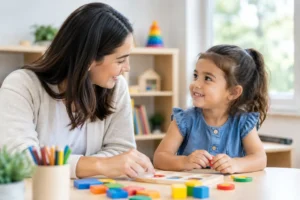
Just as important, future teachers learn how to turn these ideas into daily experiences. A lesson about patterns may involve blocks, beads, movement, and conversation. A read-aloud may become an opportunity to build vocabulary, practice listening, explore feelings, and encourage children to share their own ideas. In a strong early childhood classroom, play and purposeful learning are not opposites. They work together.
Why This Major Matters in the Early Years
The early years are a remarkable period of growth. Young children are learning how to separate from family, trust new adults, participate in a group, express needs, recover from disappointment, and see themselves as capable learners. These skills support academic growth, but they are also meaningful in their own right.
An educator trained in early childhood development knows that children do not all reach milestones on the same timetable. One child may eagerly speak in a group but need support with fine motor tasks. Another may recognize every letter but feel hesitant in unfamiliar social situations. Rather than expecting every child to learn in exactly the same way, a well-prepared teacher observes, responds, and creates opportunities for each child to make progress.
That individualized attention is especially valuable in preschool through second grade. At these ages, children benefit from clear routines and high expectations, but they also need reassurance, patience, and room to try again. A teacher’s understanding of development can make the difference between seeing a behavior as defiance and recognizing that a child is overwhelmed, tired, unsure, or still learning a skill.
What Is an Early Childhood Education Major Preparing Teachers to Do?
The major prepares educators for the many roles they hold throughout a school day. They are instructors, observers, encouragers, planners, communicators, and steady guides. They help children build foundational academic skills while making the classroom feel predictable and welcoming.
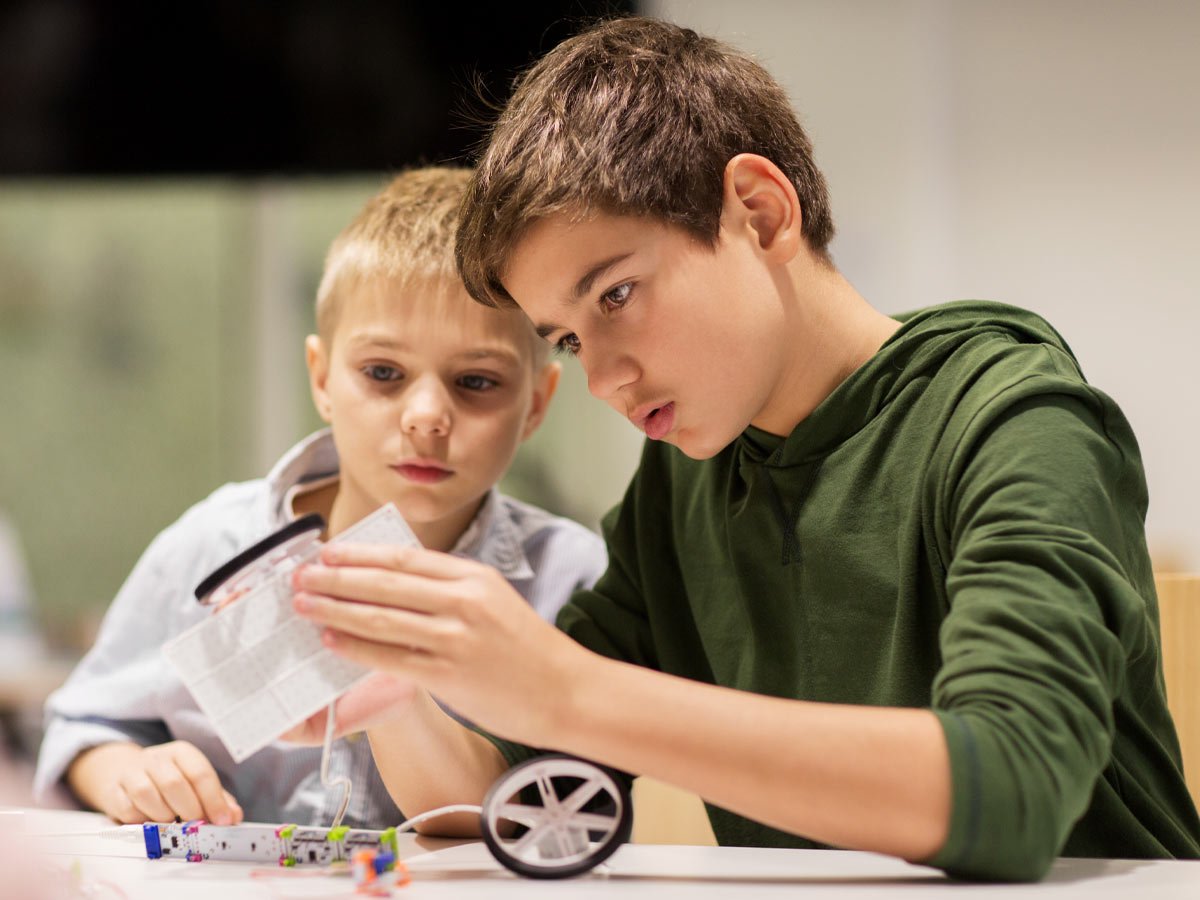
A teacher with early childhood preparation may plan small-group literacy instruction for children at different reading levels, then guide a science activity where students test what sinks or floats. They may help children practice resolving a disagreement with words, document developmental progress, and share meaningful updates with families. This work requires knowledge, but it also requires warmth and sound judgment.
Family communication is a central part of the role. Young children cannot always fully explain their day or describe a challenge they are having. Parents rely on teachers to notice growth, communicate concerns with care, and celebrate the moments that matter – a child joining a group activity, writing their name independently, or using words to solve a problem with a friend.
Degree Options and Required Training
There is more than one path into early childhood education. An associate degree may prepare someone for certain roles in child care centers, preschool programs, or instructional support positions. A bachelor’s degree often provides broader preparation and may be required for lead teaching roles, particularly in school-based settings.
For teachers who want to work in public schools, a degree alone may not be enough. States generally require a teaching license or certification, which usually includes approved coursework, supervised student teaching, examinations, and other requirements. Maryland requirements can differ depending on the grade level, school setting, and teaching role, so prospective educators should confirm the current expectations with their college program and state licensing authorities.
Private schools may have different hiring requirements. Many still seek teachers with formal early childhood training, meaningful classroom experience, and a clear ability to build strong relationships with children and families. Some educators continue their learning through graduate study, specialized certifications, workshops, or coaching in areas such as reading instruction, special education, or social-emotional development.
Early Childhood Education vs. Elementary Education
Parents may hear both terms and wonder whether they mean the same thing. They overlap, but they are not identical.
Early childhood education concentrates on the developmental needs of younger learners, commonly from infancy through kindergarten or second or third grade, depending on the program. It places particular emphasis on learning through play, early language development, routines, social-emotional skills, and the transition into formal schooling.
Elementary education usually prepares teachers for a wider span of grades, often kindergarten through fifth or sixth grade. It may include more advanced preparation in subject-area instruction for older children. Neither major is automatically better. The right fit depends on the ages an educator hopes to teach and the setting where they hope to work.
For families with young children, what matters most is that teachers understand both the curriculum and the child in front of them. Strong early learning programs do not lower academic expectations. They present meaningful learning in ways that are appropriate for growing minds and bodies.
The Qualities a Degree Cannot Teach Alone
College preparation gives teachers an essential foundation, but the best early childhood educators bring personal qualities to the work as well. They are calm when a child is having a hard morning. They are curious enough to ask why a child is struggling before rushing to a solution. They find joy in small breakthroughs that can be easy to overlook.
Experience also matters. Teachers deepen their skills by working with children, partnering with families, collaborating with colleagues, and reflecting on what helps a particular group of learners thrive. Long-tenured teachers often bring the added perspective of having supported many children through the same important transitions that families are facing for the first time.
At The Winchester School, we value the combination of professional preparation, experienced teaching, small classes, and genuine care. Children deserve adults who can guide foundational learning while also helping them feel known, safe, and ready to participate in their classroom community.
What Parents Can Look for in a Young Child’s Classroom
A teacher’s college major is one helpful piece of the picture, but it should not be the only question parents ask. During a school visit, notice how teachers speak to children, whether the classroom includes hands-on materials and purposeful routines, and how children are encouraged to make choices, solve problems, and care for one another.
Ask how teachers assess progress and communicate with families. Find out how the school supports children who need extra challenge, extra reassurance, or a different approach to learning. A thoughtful answer should reflect both academic goals and an understanding that emotional security helps children take the risks that learning requires.
The right early childhood environment gives children a strong beginning without rushing childhood away. When caring, well-prepared teachers partner with families, young learners gain more than early academic skills. They gain confidence in their voices, trust in their abilities, and the joyful belief that school is a place where they belong.