
The first Pre-K morning may bring a mix of excitement, questions, and a few extra hugs at drop-off. That is completely normal. When parents ask how to prepare for pre k, the most helpful answer is not to turn home into a classroom. It is to help your child feel safe, capable, and ready to join a new community.
For children ages 3 and 4, school readiness is about much more than knowing letters or counting to 20. A strong start comes from everyday skills: communicating needs, trying something new, managing small routines, and trusting that the grown-ups at school will care for them. With a little preparation and plenty of patience, your child can walk into Pre-K with growing confidence.
How to Prepare for Pre-K at Home
The weeks before school are a wonderful time to make daily life slightly more predictable. Children do not need a rigid schedule, but familiar rhythms help them understand what comes next and make a school day feel less overwhelming.
Begin by gradually practicing the morning routine you expect to use during the school year. Wake up, get dressed, eat breakfast, use the bathroom, and leave the house at a calm pace. If your child has been sleeping later during the summer, shift bedtime and wake-up time by 10 or 15 minutes every few days rather than making one abrupt change.
Talk through the routine in simple language. You might say, “First we get dressed, then we have breakfast, then we put on our shoes.” Young children feel more secure when they can anticipate the next step. A picture chart can be useful for some children, especially those who respond well to visual reminders, but it does not need to be elaborate.
Practice a few practical skills in low-pressure moments. Encourage your child to pull up pants after using the bathroom, wash and dry hands, open a lunch container, put toys away, and try putting on a jacket. They will not do every task independently right away, and caring teachers are there to help. Still, every small success builds the sense of independence that supports a happy transition.
Build Independence Without Expecting Perfection
Pre-K is often one of a child’s first experiences in a group setting with consistent expectations. Independence matters, but readiness is not a test. A child who still needs help with a zipper, gets distracted while cleaning up, or occasionally has an accident can absolutely thrive in Pre-K.
What helps most is the willingness to try. Offer choices that are simple and manageable: “Would you like the red shirt or the blue shirt?” Ask your child to carry a lightweight bag, place a book back on the shelf, or help set napkins on the table. Then notice the effort. “You kept trying until your shoe was on” is more encouraging than focusing only on a finished result.
It also helps to let children experience small frustrations safely. If a puzzle piece will not fit or a block tower falls down, pause before stepping in. You can name what you see: “That was frustrating. Let’s take a breath and try another way.” Learning to recover from little disappointments is a meaningful school-readiness skill.
Practice Social Skills Through Play
Pre-K classrooms are lively places where children learn alongside one another. They practice sharing materials, listening during group time, waiting briefly, using words to solve problems, and joining play. These abilities develop over time, not overnight.
Create opportunities for your child to be around other children in relaxed settings, whether that means a playdate, a library story time, a park visit, or time with cousins. Stay nearby when needed, but allow space for children to work through simple interactions. If your child wants a toy someone else is using, help them practice language such as, “Can I have a turn when you are done?”
Role-playing can make these moments feel familiar before school begins. Use stuffed animals to act out common situations: arriving at school, asking a teacher for help, waiting for a turn, or saying goodbye to a parent. Keep it light and playful. The goal is not to rehearse perfect behavior. It is to give your child words and ideas they can use when a new situation arises.
Reading stories together is another gentle way to talk about friendship, feelings, and school routines. Pause to ask what a character might be feeling or what they could do next. Children often share their own concerns more easily when they are talking about a character first.
Talk About Feelings and Separation
Even children who are eager for school may feel worried when the first day gets close. They may ask the same questions repeatedly: Who will take me to the bathroom? What happens after snack? Will you come back? Respond calmly and honestly. Reassurance is helpful, but specific reassurance is even better.
Describe the school day in a straightforward way: “You will say goodbye at the door, spend time with your teacher and classmates, play and learn, and I will come back after school.” Avoid slipping away without saying goodbye. A brief, dependable farewell helps children learn that goodbyes are temporary and that parents return.
If separation is difficult, practice short goodbyes with a trusted caregiver before school starts. Keep the goodbye confident and warm rather than drawing it out. Children often take cues from the adults they love. When you communicate calm trust in the school and teacher, your child is more likely to feel secure.
A comfort item may be appropriate depending on school guidelines. Sometimes a family photo in a backpack, a familiar keychain, or a small note can provide reassurance. Check with your child’s teacher about what can come to school, since classroom routines vary.
Make Learning Feel Joyful, Not Like Homework
Parents naturally want their children to arrive academically prepared. The good news is that early learning grows beautifully through conversation, play, reading, music, movement, and everyday experiences.
Read aloud every day, even for just a few minutes. Let your child turn pages, point out pictures, retell parts of the story, and choose favorites again and again. Sing songs with rhymes, clap out syllables in names, count steps on the way to the car, and notice letters on signs. These simple experiences strengthen language, listening, early literacy, and number sense without creating pressure.
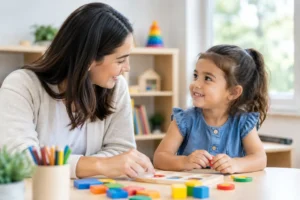
Hands-on play matters, too. Drawing, painting, building with blocks, playing with play dough, sorting socks, and helping measure ingredients all support fine motor skills and problem-solving. A developmentally appropriate Pre-K program builds on this natural curiosity with purposeful activities, not long worksheets or expectations that children sit still for extended periods.
If your child already recognizes letters, enjoys writing their name, or loves numbers, follow that interest. If they are more drawn to pretend play, trucks, animals, or art, those interests are equally valuable starting points. Children develop at different rates, and a nurturing classroom meets them where they are.
Prepare Together for the First Day
When possible, visit the school before the first day. Seeing the entrance, classroom, playground, and teacher can turn an unfamiliar place into one your child recognizes. At The Winchester School, families are welcomed as partners in this transition because children benefit when home and school share information, trust, and encouragement.
In the days before school begins, involve your child in a few preparations. Let them choose a backpack, help pick out clothes, or place a labeled water bottle in their bag. Keep the focus positive, but avoid building the first day up as a major performance. School is a new beginning, and it is also simply the start of a routine that will soon become familiar.
The night before, prepare what you can and leave room for extra time the next morning. A rushed goodbye can make emotions feel bigger for everyone. Offer a predictable breakfast, use your practiced routine, and keep your words simple: “You are safe. Your teacher will help you. I will see you after school.”
Give the Transition Time
Some children settle in quickly. Others need several days or a few weeks to feel fully comfortable. A child may seem cheerful at drop-off but tired, tearful, or extra clingy at home. That adjustment does not mean school is not going well. New routines require real energy.
Keep after-school time calm when possible. Offer a snack, quiet play, cuddles, or time outdoors before asking many questions. Instead of “What did you do today?” try “What was one thing you played with?” or “Did anything make you laugh?” If your child does not want to talk, that is okay. Their stories often emerge later during play, dinner, or bedtime.
Stay in communication with your child’s teacher, particularly if there are family changes, sleep challenges, food concerns, or worries about separation. Teachers can share what they are seeing in the classroom, and parents can offer important context from home. That partnership gives children the steady support they need.
Pre-K is not about arriving already grown up. It is a place for children to practice being part of a classroom, discover the pleasure of learning, and build confidence one ordinary school day at a time. Your calm preparation, loving encouragement, and trust in their ability to grow are among the best things you can bring to the beginning of this new chapter.