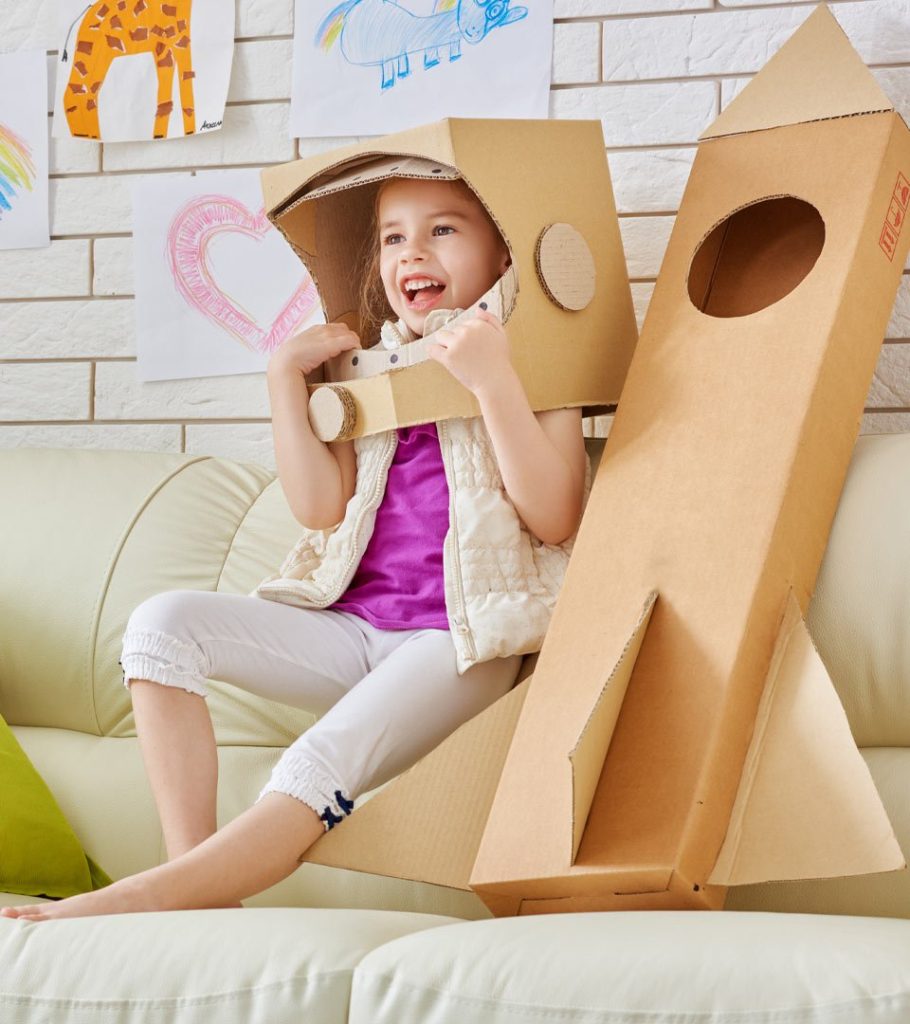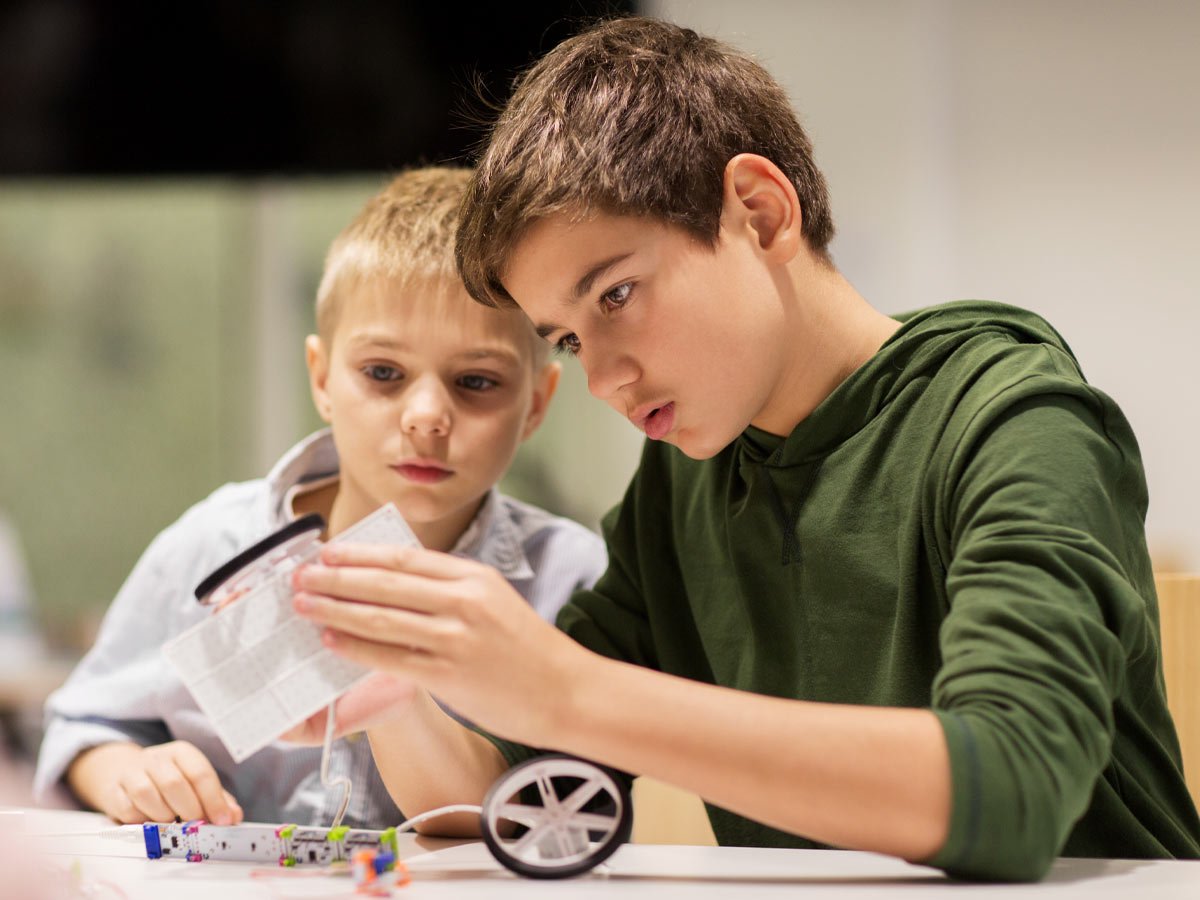

A child who proudly puts on a backpack at age 3 may be ready for a Pre-K classroom. Another child the same age may need more time at home, even if they can count to 20. For parents asking, “what age should pre k start?” the most reassuring answer is that age matters, but it is not the only measure of readiness.
Pre-K can be a wonderful first step into a larger learning community. It introduces children to routines, friendships, language, early academic concepts, and the confidence that comes from doing more for themselves. The right starting point is one that supports your child’s development without asking them to move faster than they are ready to go.
What Age Should Pre K Start?
Most children begin Pre-K at age 3 or 4. Many programs offer a class for younger preschoolers who are 3 by a stated enrollment date and a Pre-K class for children who are 4 and preparing for kindergarten the following year. Individual school requirements vary, so families should always ask about birthday cutoffs, classroom age ranges, and whether a child must be fully toilet trained.
Starting at 3 can give children an extra year to become comfortable with school routines. They have time to practice separating from caregivers, sharing space and materials, using words with peers, and following simple directions. A two-year Pre-K experience can be especially helpful for children who have had limited opportunities to participate in a group setting.
Starting at 4 may be the best fit for a child who would benefit from another year of growth before managing a more structured day. There is no prize for beginning earliest. A child who starts when they are comfortable, curious, and well supported is more likely to see school as a place where they belong.
Readiness Is More Than Knowing Letters and Numbers
Parents often wonder whether their child should know the alphabet, write their name, or count before Pre-K. Those skills are welcome, but they are not the foundation of readiness. Pre-K is where children begin building those early academic skills through play, conversation, stories, music, art, and hands-on exploration.
More useful questions are about how your child moves through everyday moments. Can they communicate a basic need, even if their words are still developing? Do they show interest in other children? Can they participate in a short activity, then transition with adult guidance? Are they beginning to try small tasks independently, such as washing hands, cleaning up, or putting on a coat?
A child does not need to do all of these things perfectly. In fact, learning to manage big feelings, take turns, and try again after disappointment is part of the work of a strong early childhood classroom. The goal is not a perfectly independent preschooler. It is a child who can grow with patient support.
Signs Your Child May Be Ready
A child may be ready for Pre-K if they are showing growing curiosity about the world beyond home, enjoy listening to stories or participating in songs, and can separate from a trusted caregiver with support. They may also be beginning to follow familiar routines and express wants, worries, or excitement in words, gestures, or other clear ways.
Some hesitation is completely normal. Many children cry during the first few drop-offs, even when they are ready for school. What matters is whether caring teachers can help them settle, connect, and eventually engage in the day. A warm transition plan can make a meaningful difference for children and parents alike.
When Waiting May Be the Better Choice
Waiting another year may be helpful when a child is experiencing a major family change, has intense separation anxiety that does not ease with gentle practice, or is not yet able to participate safely in a group setting. Developmental concerns, communication needs, or sensory needs may also call for a conversation with your child’s pediatrician and prospective school.
Waiting is not a setback, and starting school does not have to be an all-or-nothing decision. Some families find that a shorter day, a gradual start, or a smaller classroom offers the right bridge. The best programs work with families to understand what will help each child feel secure.
The Classroom Matters as Much as the Starting Age
A 3-year-old in a calm, responsive classroom may thrive, while a 4-year-old in an overly demanding setting may struggle. When considering Pre-K, look beyond the daily schedule and ask how teachers respond when children are upset, how they encourage independence, and how they communicate with families.
Small class sizes and experienced teachers allow adults to notice the details that can get missed in a larger group: a child who is quiet at circle time but chatty during blocks, a child who needs extra reassurance at drop-off, or a child who is ready for a new challenge. Individualized attention helps children feel known, which makes it easier for them to take healthy risks in learning and friendship.
A developmentally appropriate program also balances structure with active discovery. Young children need predictable routines, but they learn best when they can touch, build, ask questions, create, move, and play. Foundational literacy and math should grow alongside social-emotional learning, creative expression, and physical development.
At The Winchester School, Pre-K classrooms are designed to give children both a nurturing start and a meaningful academic foundation. Teachers partner closely with families so children can build confidence at their own pace while becoming joyful, capable learners.
How to Prepare for a Successful Start
Once you have decided that Pre-K is the right next step, simple preparation at home can make the transition gentler. Talk about school in positive, concrete terms. Explain that there will be teachers to help, friends to meet, activities to try, and a grown-up who will always return at the end of the day.
Practice a few routines without turning them into a test. Let your child carry a small bag, open a lunch container, wash hands independently, or help put away toys. Reading books about starting school can also give children language for feelings they may not yet know how to explain.
If the school offers a tour, classroom visit, or meet-the-teacher opportunity, take advantage of it. Seeing the room, playground, and familiar adult faces can make the first morning feel less unknown. Share useful information with teachers too, including favorite comforts, allergies, family changes, fears, and the strategies that help your child calm down.
Keep goodbyes brief, warm, and confident. Children often take emotional cues from the adults they love. A steady message such as, “I know you can do this. Your teacher will take care of you, and I will be back after school,” gives them both reassurance and trust.
A Decision Rooted in Your Child
The question of what age should Pre-K start is really a question about fit. Consider your child’s age, personality, developmental needs, family schedule, and the quality of the classroom they will enter. A thoughtful choice now can help shape how your child feels about learning for years to come.
The most encouraging first school experience is not defined by an early start or a perfect first day. It is defined by a child who gradually walks into class with growing confidence, feels safe enough to be curious, and knows that school is a community ready to cheer them on.