
A child who proudly hangs up their backpack, joins a circle of new friends, and tells a parent about the day’s painting project is doing more than preparing for kindergarten. They are practicing independence, communication, and confidence. So, is prekindergarten necessary? Not in the sense that every child must follow one identical path to thrive. But for many children and families, a high-quality Pre-K experience provides a caring bridge between home and formal schooling.
The more useful question is not whether Pre-K is required. It is whether a particular program meets your child’s needs and gives your family the support you are looking for. A thoughtful Pre-K classroom can make the early school years feel more familiar, joyful, and manageable for everyone.
Is Prekindergarten Necessary for School Readiness?
Kindergarten teachers do not expect children to arrive knowing everything. Young children develop at different rates, and readiness is about far more than recognizing letters, counting objects, or writing a name. A child also benefits from knowing how to listen to a teacher, take turns, ask for help, join a group activity, and recover after a disappointment.
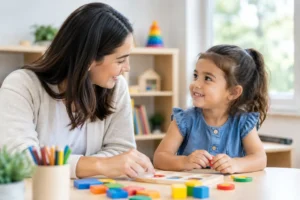
Pre-K gives children regular opportunities to build those skills in a setting designed for their age. They learn through stories, songs, blocks, dramatic play, art, movement, and hands-on exploration. They begin to understand that school is a place where their ideas matter, adults are there to help, and trying again is part of learning.
This emotional foundation can be especially meaningful when kindergarten begins. Instead of facing a completely unfamiliar routine, children who have had a positive early school experience often recognize the rhythms of a classroom: arriving, separating from a caregiver, gathering with classmates, cleaning up, eating lunch, and moving from one activity to another.
That does not mean children without Pre-K are destined to struggle. Loving caregivers, library visits, playdates, conversations at home, and community activities also help children grow. The value of Pre-K is that it brings many of these experiences together consistently, with experienced teachers who observe each child’s progress and respond with care.
What Children Gain From a Strong Pre-K Program
The best Pre-K programs do not rush young children into worksheets or treat play as a break from learning. They recognize that play is often how children make sense of the world. When children build a tower, negotiate who gets to be the veterinarian in dramatic play, or compare leaves gathered outside, they are using early math, language, problem-solving, and social skills.
A developmentally appropriate program balances that exploration with gentle academic structure. Children may practice hearing sounds in words, noticing patterns, counting during a game, or strengthening the small muscles needed for writing. These experiences build a foundation without asking children to perform beyond what is appropriate for their stage of development.
Just as importantly, Pre-K can help children develop a sense of themselves as learners. A child who says, “I can try,” is gaining something that lasts far beyond the preschool years. Encouraging teachers help children take safe risks, express big feelings with words, and feel proud of steady progress rather than only perfect results.
Small class sizes can make this support more personal. Teachers have more opportunity to notice the quiet child who needs an invitation into play, the enthusiastic storyteller who is ready for a new challenge, or the child who needs extra reassurance during transitions. Families benefit from that attention, too, because regular communication offers a clearer picture of what is happening at school.
When Pre-K May Be Especially Helpful
Every family’s circumstances are different, but Pre-K may be particularly valuable for a child who has had limited opportunities to spend time with peers, is preparing for a longer school day, or needs practice separating from a parent or caregiver. It can also be a supportive next step for children who are eager for more structure, conversation, and active learning than they receive in their current routine.
For families new to the area or looking to build a local support network, a school community can matter as much as the curriculum. Children form friendships, while parents get to know teachers and other families who understand the daily joys and questions of raising young children.
Some children need time to warm up in new settings. Others run eagerly into the classroom on the first day. Both responses are normal. A nurturing Pre-K program should honor a child’s temperament rather than expecting every child to adjust in the same way. Familiar routines, patient teachers, and open family-school communication can help children feel secure as they grow into independence.
The Trade-Offs Families Should Consider
Pre-K is a meaningful investment of time, energy, and tuition, so it is reasonable to consider the practical side of the decision. Families may need to balance work schedules, transportation, finances, a child’s nap needs, and the preferences of siblings or caregivers. The right choice is not always the fullest schedule or the most academic-looking classroom.
When visiting a school, look beyond the artwork on the walls and ask how teachers support children during difficult moments. Notice whether children have time to talk, move, create, and play. Ask how the school shares updates with families and how teachers adapt activities for children who need more challenge or more support.
A strong program should be able to explain what children are learning and why, without promising that every four-year-old will leave reading chapter books. Early education is most effective when it protects childhood while building the habits that make later learning possible.
Choosing a Pre-K That Feels Like a Partnership
Parents know their children best. Teachers bring training, observation, and classroom experience. When those perspectives work together, children receive more consistent support. That partnership begins before enrollment, with a school that welcomes questions and takes time to understand your child.
Look for a warm environment where children are known by name and where educators have the experience to see both the developmental milestones and the individual child in front of them. Long-tenured teachers and a stable school community can offer reassuring continuity during years when children change quickly.
At The Winchester School, Pre-K is designed to combine foundational learning with creative exploration, social-emotional growth, and individualized attention. Children are encouraged to become joyful learners while families are welcomed as active partners in the school experience. That blend of structure and warmth can help young children approach their next steps with confidence.
A Helpful Way to Decide
Rather than asking whether Pre-K is necessary in the abstract, consider what your child needs most this year. Do they light up around other children? Are they ready to practice classroom routines? Would a consistent, nurturing learning environment give them more opportunities to grow? Or does your family have another arrangement that already provides those experiences in meaningful ways?
There is no prize for choosing the earliest or most intensive path. The goal is to find an environment where your child feels safe enough to explore, supported enough to try, and seen enough to believe they belong. For many families, Pre-K becomes a gentle first chapter in that story – one filled with friendships, discoveries, and the quiet confidence of a child learning, day by day, that school can be a place they are happy to go.