
The first few weeks of summer often bring a welcome change of pace: later mornings, splash pads, family visits, and less rushing out the door. For young children, that freedom is valuable. But after several weeks without the familiar rhythm of stories, conversation, counting, and creative problem-solving, some skills can become less automatic. Summer learning loss prevention does not mean turning your home into a classroom. It means keeping learning woven into a childhood that still feels like summer.
For children in Pre-K through second grade, the goal is not to race ahead through next year’s curriculum. It is to protect the confidence, curiosity, and foundational habits they have worked hard to build. A child who continues to see reading, numbers, questions, and new experiences as part of everyday life returns to school ready to reconnect and grow.
Why Summer Learning Can Feel Different for Young Children
Young children learn through repetition, relationships, movement, and play. During the school year, those experiences happen naturally through classroom routines. Children hear stories every day, practice writing their names, count materials, solve small social problems, and talk with teachers and classmates about what they notice.
Summer changes that structure. A change in routine is not harmful on its own, and children need unstructured time to rest and imagine. The challenge comes when academic practice disappears completely for a long stretch. Reading may feel more difficult in August than it did in June. A child who confidently counted objects may need more reminders. Another may be hesitant to pick up a pencil after weeks away from drawing and writing.
This is especially true in the early years because foundational skills are still taking shape. Children benefit from frequent, low-pressure opportunities to use what they know. The good news is that those opportunities do not require worksheets, long lessons, or a packed schedule.
A Gentle Approach to Summer Learning Loss Prevention
The most successful summer routines are small enough to maintain. Fifteen or twenty minutes of focused learning on many days can be more meaningful than an ambitious plan that becomes stressful by mid-July. Parents know their children best, so the right rhythm depends on the child, the family’s schedule, and how much structure the child needs to feel secure.
A child who loves books may happily listen to several stories each day but resist formal handwriting practice. Another child may learn best while building, measuring, or moving outdoors. Follow those strengths while offering gentle exposure to less-preferred skills. The aim is steady connection, not perfection.
Keep Reading Part of the Day
Reading together remains one of the simplest ways to support language, comprehension, attention, and emotional connection. Choose library books, old favorites, nonfiction books about animals or space, poems, comic books, and stories that make your child laugh. Let your child help select the books. Ownership matters.
As you read, pause naturally. Ask what your child thinks might happen next, why a character made a choice, or what a new word could mean. For beginning readers, invite them to point out familiar letters, read repeated phrases, or retell the story in their own words. If reading independently is still effortful, protect the joy of books by doing most of the reading aloud.
A daily reading routine can be as simple as one story after breakfast or before bed. Consistency matters more than length.
Find Math in Real Life
Math is already present in summer days. Children can count scoops of ice cream, sort laundry by color or size, compare the lengths of sidewalk-chalk drawings, and help set the table. At the grocery store, ask which bag feels heavier or how many apples are needed for the week. While cooking, talk about halves, cups, and what happens when a recipe is doubled.
For older early-elementary children, card games and board games offer practice with number recognition, counting on, strategy, and taking turns. Keep the conversation light. Rather than asking for a correct answer immediately, try, “How did you figure that out?” This gives children room to explain their thinking and learn that math is about reasoning, not speed.
Make Writing Useful and Creative
Writing does not have to begin with a blank page and a prompt. Young children are often more willing to write when there is a real purpose. They can create a packing list for a day trip, label a drawing, write a note for a grandparent, make a menu for a pretend restaurant, or help add items to the grocery list.
For preschoolers, drawing, scribbling, letter-like marks, and writing the letters in their name are meaningful early writing experiences. For kindergarten through second grade, encourage children to keep a simple summer journal. One or two sentences about a favorite moment, paired with a picture, is enough. Spelling does not need to be perfect for writing to be worthwhile. Celebrate the message first, then offer support when a child is ready to learn more.
Let Curiosity Lead the Learning
Summer offers a different kind of classroom: gardens, parks, kitchens, sidewalks, museums, neighborhood walks, and even rainy afternoons indoors. A child who notices a caterpillar, watches a thunderstorm, or helps care for a plant is practicing observation and asking questions. Those habits support science learning long before a formal experiment begins.
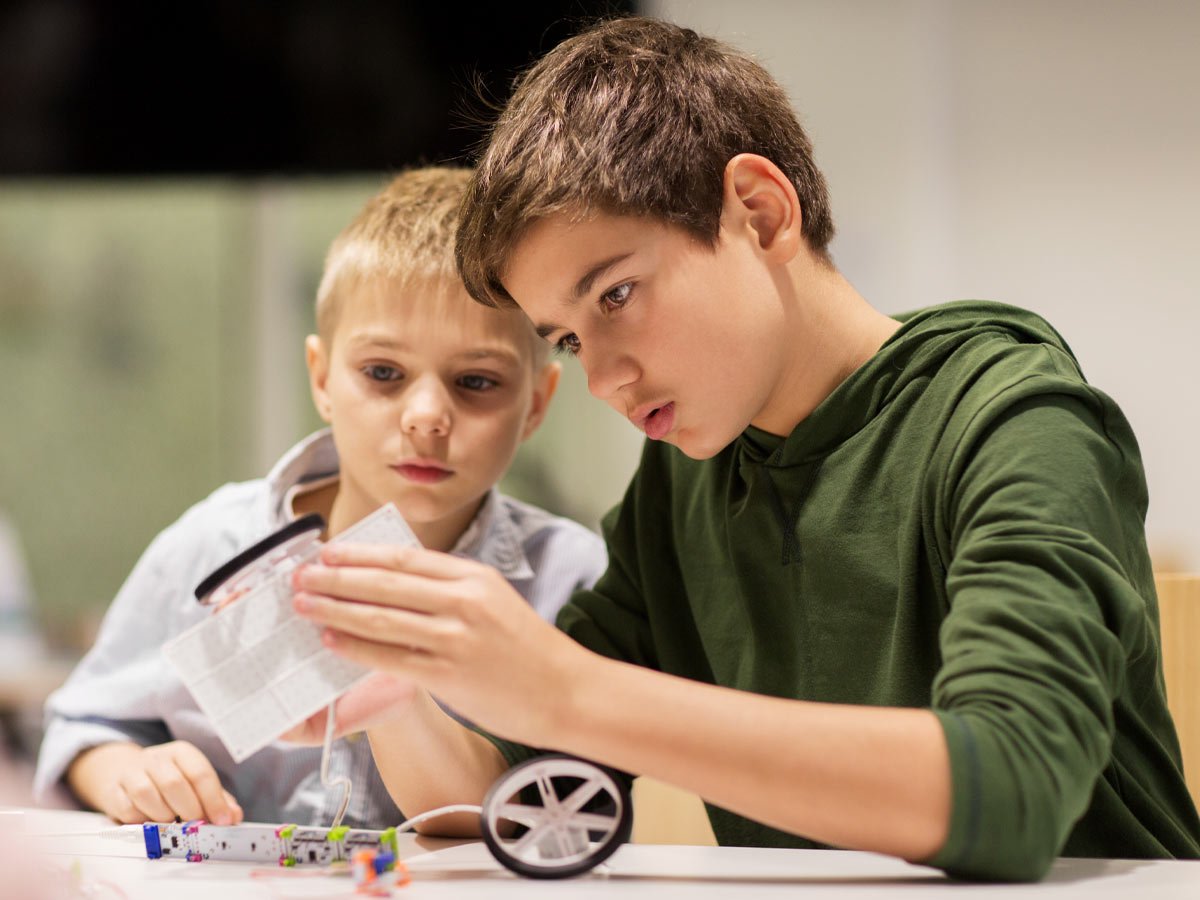
Try choosing one small question to explore together each week. Why do some objects float? Which insects visit the flowers near the house? How does ice change when it sits in the sun? Children can predict, test, draw what they see, and share what surprised them. The materials can be simple. What matters is giving children time to wonder.
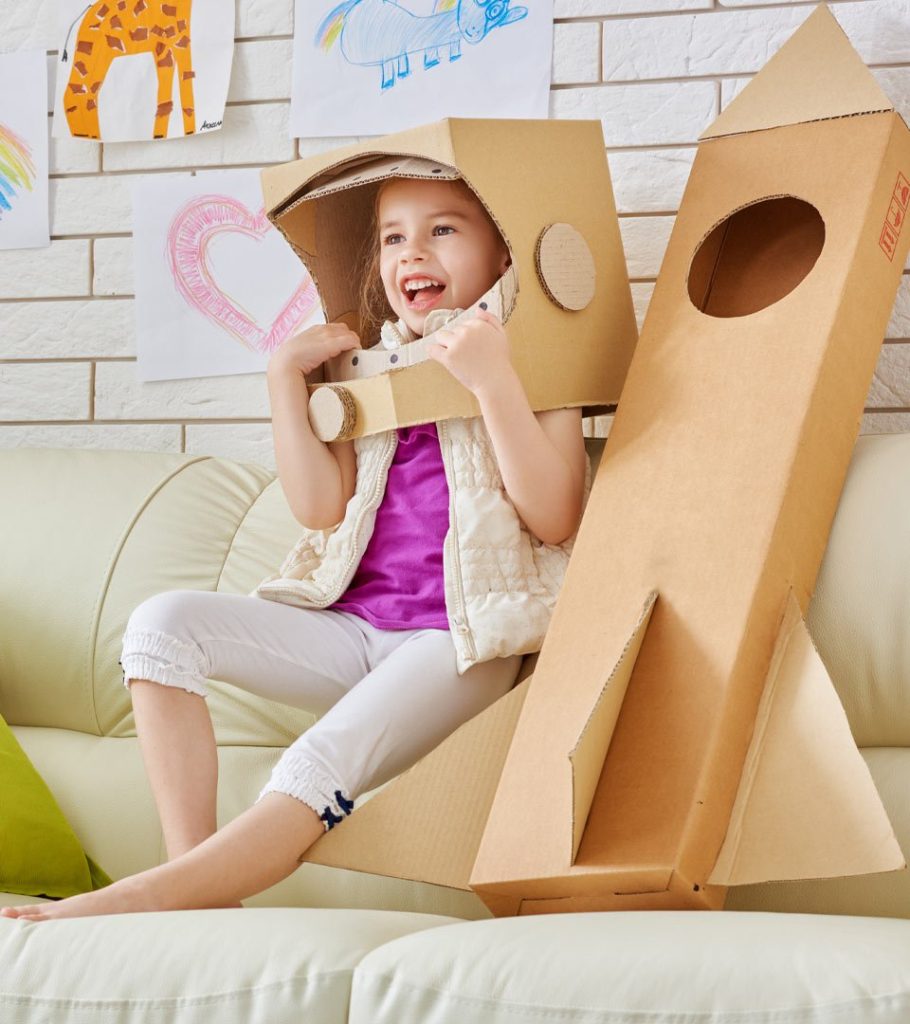
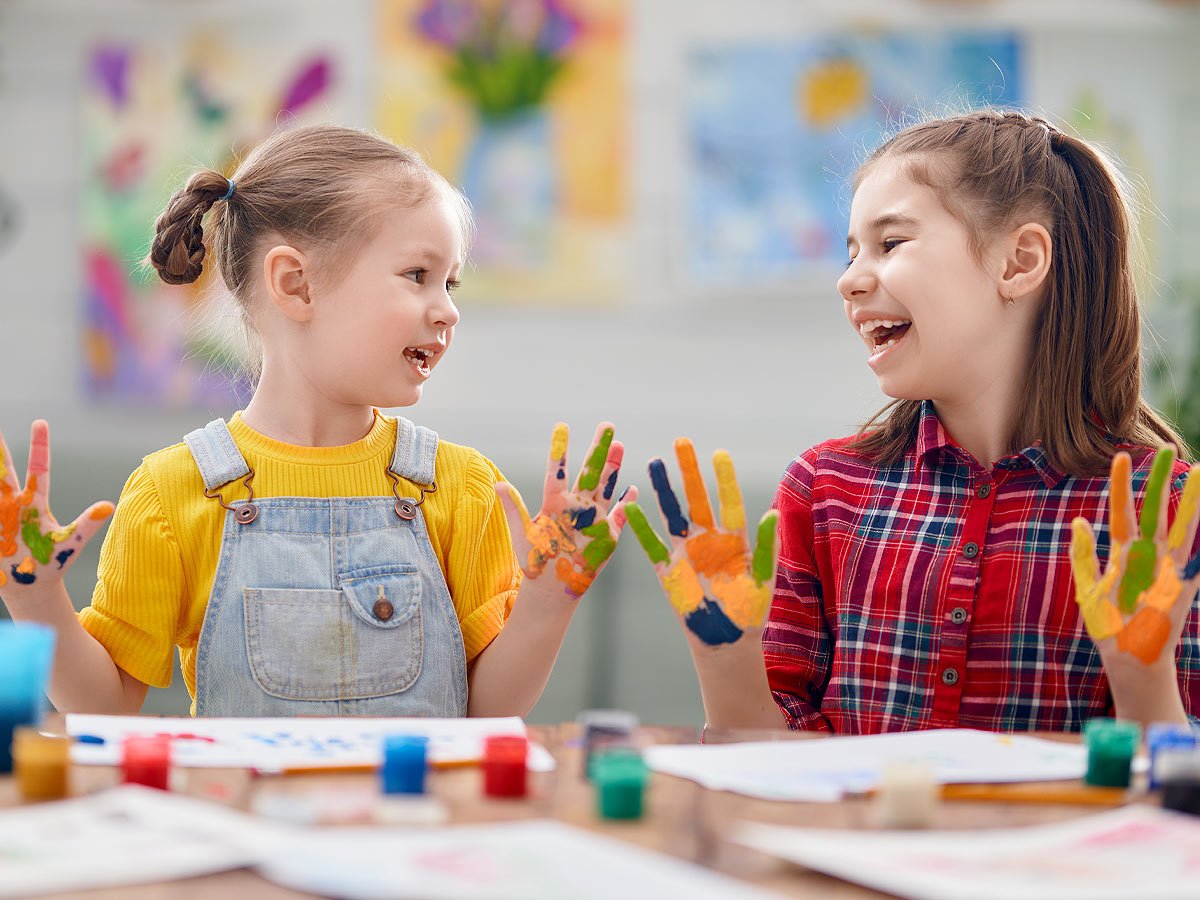
Creative play belongs here, too. Building a blanket fort involves planning and spatial thinking. Pretending to run a store invites counting, writing, language, and social skills. Making art strengthens fine motor control while giving children a way to express themselves. These activities may not look like traditional schoolwork, but they help children develop the flexible thinking and confidence that strong learners need.
Protect the Social-Emotional Skills That Support Learning
Summer learning is not only about letters and numbers. Young children also benefit from practicing how to wait, cooperate, communicate needs, handle disappointment, and try again after something feels hard. These are the skills that help children participate fully in a classroom community.
Playdates, camps, family games, and group activities create natural practice. Before an activity, you might talk through what it means to take turns or how to ask another child to join a game. Afterward, make space for reflection: “What was fun?” “Was anything tricky?” “What could you try next time?”
A predictable routine can also help children feel grounded. It does not need to mirror the school day, but regular mealtimes, rest, outdoor play, reading, and bedtime give children a sense of security. For some children, especially those who thrive on consistency, this structure makes it easier to return to school routines later.
When a Summer Program Is a Good Fit
Families have different needs in the summer. Some children flourish with long stretches of family time and a few simple learning rituals at home. Others benefit from the regularity, friendships, and guided activities of a summer program. A quality program can offer hands-on projects, outdoor exploration, creative enrichment, and opportunities to practice independence in a caring setting.
The right choice depends on your child and your family’s schedule. Look for an environment where teachers know children as individuals, communication with families is open, and activities are developmentally appropriate. At The Winchester School, summer experiences are designed with the same belief that guides the school year: children learn best when they feel known, encouraged, and excited to participate.
Keep the Return to School Positive
As summer begins to wind down, bring back a little more school-like rhythm without making the transition feel heavy. Set out books and art supplies where children can reach them. Practice morning routines a few days before school begins. Talk positively about seeing teachers and friends, learning new things, and being part of a classroom community.
If your child expresses worry, listen first. A simple reminder that it is normal to feel excited and nervous can be reassuring. Share one or two concrete details about what will stay familiar, such as a favorite lunchbox, a morning goodbye routine, or reading together at bedtime.
The most meaningful summer learning often happens in small moments: a child sounding out a sign, counting waves at the pool, asking a thoughtful question, or proudly showing a picture they created. When children feel that learning belongs in their everyday lives, they carry that confidence with them long after summer ends.