
A child who can say, “I’m frustrated,” ask a friend to take turns, or walk into a classroom knowing a trusted adult will listen is building skills that matter far beyond the school day. This social emotional learning guide explains what those skills look like in the early years, how they develop, and how families and teachers can nurture them together.
For children ages 3 through 8, social-emotional growth is not separate from learning letters, numbers, and early problem-solving. It is part of how children learn. A child who feels secure is more ready to try. A child who can recover after disappointment is more able to persist. A child who understands another person’s point of view is better prepared to participate in a caring classroom community.
What Social-Emotional Learning Means in Early Childhood
Social-emotional learning, often called SEL, helps children understand themselves, relate to others, and make thoughtful choices. In early childhood and lower elementary classrooms, these abilities are taught through everyday moments as much as through planned lessons.
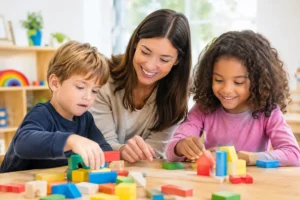
A preschooler may practice identifying feelings after a block tower falls. A kindergartner may learn to join a game without interrupting. A second grader may reflect on how a choice affected a classmate. These moments can appear small, but they shape confidence, relationships, and a child’s growing sense of responsibility.
Young children are still learning how to manage big feelings. They need adults to guide them with patience, clear expectations, and language they can use. The goal is not for children to be calm or cheerful all the time. The goal is to help them recognize emotions, express needs appropriately, and regain control with support.
The skills children are building
Social-emotional development includes self-awareness, self-management, social awareness, relationship skills, and responsible decision-making. For young children, these broad ideas become practical, daily habits.
Self-awareness can sound like, “I feel nervous about trying this.” Self-management might be taking three breaths, visiting a quiet space, or asking for help before a child becomes overwhelmed. Social awareness grows when children notice that a friend looks sad or that someone may have a different idea. Relationship skills appear in sharing materials, listening, apologizing sincerely, and working through a disagreement. Responsible decision-making begins with choices such as following a classroom agreement or deciding what to do when a friend asks them to break a rule.
Children do not develop these skills all at once. Their progress may be uneven, especially when they are tired, hungry, adjusting to a change, or facing something unfamiliar. A child can show generosity one day and struggle to share the next. That is typical development, not a sign that the lesson has been lost.
Why This Social Emotional Learning Guide Matters for School Readiness
When parents think about school readiness, they often think first about early literacy, number sense, pencil grip, or the ability to follow directions. Those skills matter. Yet social-emotional readiness often determines how comfortably a child can use their academic abilities in a group setting.
A child who can separate from a caregiver with reassurance, participate in routines, wait briefly, and seek help from a teacher has a stronger foundation for a successful transition. This does not mean children must arrive at school fully independent or free from worries. It means they benefit from a school environment where caring adults help them practice independence step by step.
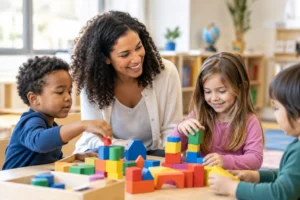
Small class sizes and consistent teachers can be especially meaningful during these formative years. Teachers have more opportunity to notice when a child is unusually quiet, when a friendship needs support, or when a student is ready for a new challenge. That individualized attention helps children feel known, which can make a meaningful difference in their willingness to engage and learn.
At The Winchester School, a balanced early education recognizes that joyful learning and academic growth are connected. Children are encouraged to explore, communicate, create, and build the confidence to take part in their classroom community.
How Teachers Support Emotional Growth Every Day
Effective SEL is not limited to a poster of feeling faces or an occasional class discussion. It is reflected in the rhythms of the day: how children are welcomed in the morning, how transitions are handled, how adults respond to conflict, and how effort is recognized.
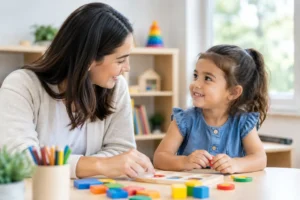
Teachers support children by naming what they observe without judgment. Instead of saying, “Don’t be upset,” a teacher might say, “You were really looking forward to that turn. It is hard to wait.” This approach helps a child feel understood while still holding a clear boundary. From there, the teacher can offer a next step: “Let’s find out when you can have a turn,” or “Would you like to choose another activity while you wait?”
Predictable routines are another form of emotional support. Young children feel safer when they know what comes next. A visual schedule, a familiar cleanup song, or a consistent goodbye routine can reduce uncertainty and allow children to focus their energy on learning and connecting.
Conflict also provides valuable practice. Adults should step in when safety is at risk, but not every disagreement needs to be solved for children immediately. With guidance, children can learn to state a problem, listen to another perspective, and look for a fair solution. “I was using that” and “Can I have it when you’re done?” are early building blocks for respectful communication.
Simple Ways Families Can Practice SEL at Home
Home is a child’s first and most enduring place to learn about feelings, relationships, and belonging. Families do not need special materials or lengthy lessons to support these skills. Short, consistent conversations are often the most powerful.
Begin by giving feelings a name. During a bedtime routine, car ride, or meal, ask a specific question such as, “What was one part of your day that felt good?” or “Was there a moment that felt tricky?” Children may need time to answer. Some will share immediately, while others open up more easily while drawing, playing, or helping with a simple task.
It also helps to let children see adults handle emotions responsibly. A parent can say, “I’m disappointed that our plan changed, so I’m taking a minute to think about what we can do instead.” This does not place adult concerns on a child. Rather, it demonstrates that feelings are normal and can be managed without blaming others.
When your child makes a mistake, focus on repair rather than shame. If they hurt a sibling’s feelings, help them consider what happened, what the other child may have felt, and what might make things better. An apology may be part of the repair, but children also learn through helpful action, such as rebuilding something they knocked down or offering a different toy.
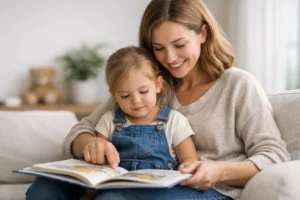
Families can reinforce emotional language through stories as well. Pause while reading and ask, “How do you think this character feels?” Then go one step further: “What could they do next?” There may be more than one reasonable answer, and that is part of the learning.
When a Child Is Struggling
Every child has difficult days. Occasional tears at drop-off, disagreements with peers, or intense reactions to disappointment are common in early childhood. The most helpful response is usually calm, curious, and consistent.
Look for patterns rather than judging one hard moment. Does your child struggle most during transitions? Are they having trouble after a change at home, a busy weekend, or poor sleep? Are certain social situations especially challenging? Sharing these observations with your child’s teacher creates a fuller picture and helps home and school respond in similar ways.
Sometimes children need more direct support. A teacher may suggest practicing a phrase for joining play, using a visual reminder for routines, or creating a simple plan for separation at drop-off. These supports are not labels. They are practical tools that help children experience success while their skills are still growing.
If concerns are persistent, intense, or affecting a child’s ability to participate in daily life, speak with your child’s pediatrician and school team. Early communication can bring reassurance, useful strategies, or appropriate next steps. Families should never feel they have to navigate those questions alone.
A Foundation Children Carry Forward
The early years give children repeated opportunities to learn a powerful lesson: feelings can be named, problems can be worked through, and trusted adults are there to help. When home and school share that message, children gain more than classroom readiness. They begin to see themselves as capable learners, thoughtful friends, and valued members of a community.
That sense of belonging does not come from getting every interaction right. It grows through patient practice, caring relationships, and many small chances to try again.