
A child who can identify every letter may still need help joining a group, waiting for a turn, or trying again after a tower falls down. That is why a thoughtful kindergarten curriculum review should look beyond worksheets and early reading milestones. Kindergarten is where children begin building the academic habits, confidence, relationships, and curiosity that will carry them through the years ahead.
For families choosing a school in the Silver Spring area, the question is not simply whether a program teaches letters and numbers. It is whether children are known well enough to be challenged, encouraged, and supported as individuals. A strong kindergarten experience gives children meaningful structure while protecting the joy and hands-on discovery that make learning feel possible.
What a Kindergarten Curriculum Review Should Reveal
A curriculum is more than a list of subjects. It is the daily plan for how children spend their time, how teachers respond when a child needs extra support, and what a school believes young learners need most.
During a kindergarten curriculum review, parents should be able to see a clear balance between foundational academic instruction and developmentally appropriate learning. Children need direct teaching in early literacy and math, but they also learn through conversation, movement, art, dramatic play, science exploration, and problem-solving with classmates. These experiences are not extras. They help children make sense of what they are learning and practice using new skills in real situations.
The best programs make this balance visible. Ask what a typical morning looks like, how reading skills are introduced, and when children have opportunities to create, explore, and play. A clear answer should include both academic goals and the warm, responsive teaching that helps children reach them.
Signs of a Strong Kindergarten Curriculum
Literacy grows through instruction and conversation
Kindergarten literacy should help children understand that print carries meaning. They may practice letter names and sounds, hear rich read-aloud stories, learn to recognize high-frequency words, and begin writing letters, words, and simple sentences. Just as important, they should talk about stories, ask questions, retell events, and share their own ideas.
Children arrive with different levels of experience. Some are already eager readers, while others are still building confidence with sounds, pencils, and books. A quality curriculum allows teachers to meet children where they are rather than expecting every child to move at the same pace. Small groups, individual check-ins, and gentle repetition can make a meaningful difference.
Look for a program that values comprehension and communication alongside early decoding. Reading is not only about saying words correctly. It is also about understanding, imagining, and connecting.
Math is active, practical, and understandable
Kindergarten math often begins with counting, number recognition, patterns, shapes, measurement, sorting, and simple addition or subtraction concepts. Young children understand these ideas more deeply when they can touch, move, compare, and explain what they notice.
For example, a child may count the students at a table, sort buttons by color, build patterns with blocks, or decide which container holds more water. These activities develop mathematical thinking while allowing children to learn through materials that make sense to them.
Parents should not assume that a room with fewer worksheets means less learning. A child manipulating counters to solve a problem may be doing more meaningful mathematical work than a child completing a page by memory alone. The goal is to build number sense, not simply speed.
Social-emotional learning is part of the school day
A child cannot fully focus on a story or a math lesson when they are overwhelmed, lonely, or unsure how to enter a group activity. Kindergarten should offer children regular support in recognizing feelings, communicating needs, managing frustration, and resolving everyday conflicts.
This does not mean children will never have hard moments. In fact, hard moments are often where important learning happens. A caring teacher can help a child use words after a disagreement, take a calming break, repair a hurt feeling, or return to a challenging task with renewed confidence.
Look for schools that can explain how teachers guide these moments. Positive social growth should be woven into classroom routines, not reserved for occasional lessons. Children learn empathy and self-control through consistent, respectful relationships with adults and peers.
Creative enrichment has a real purpose
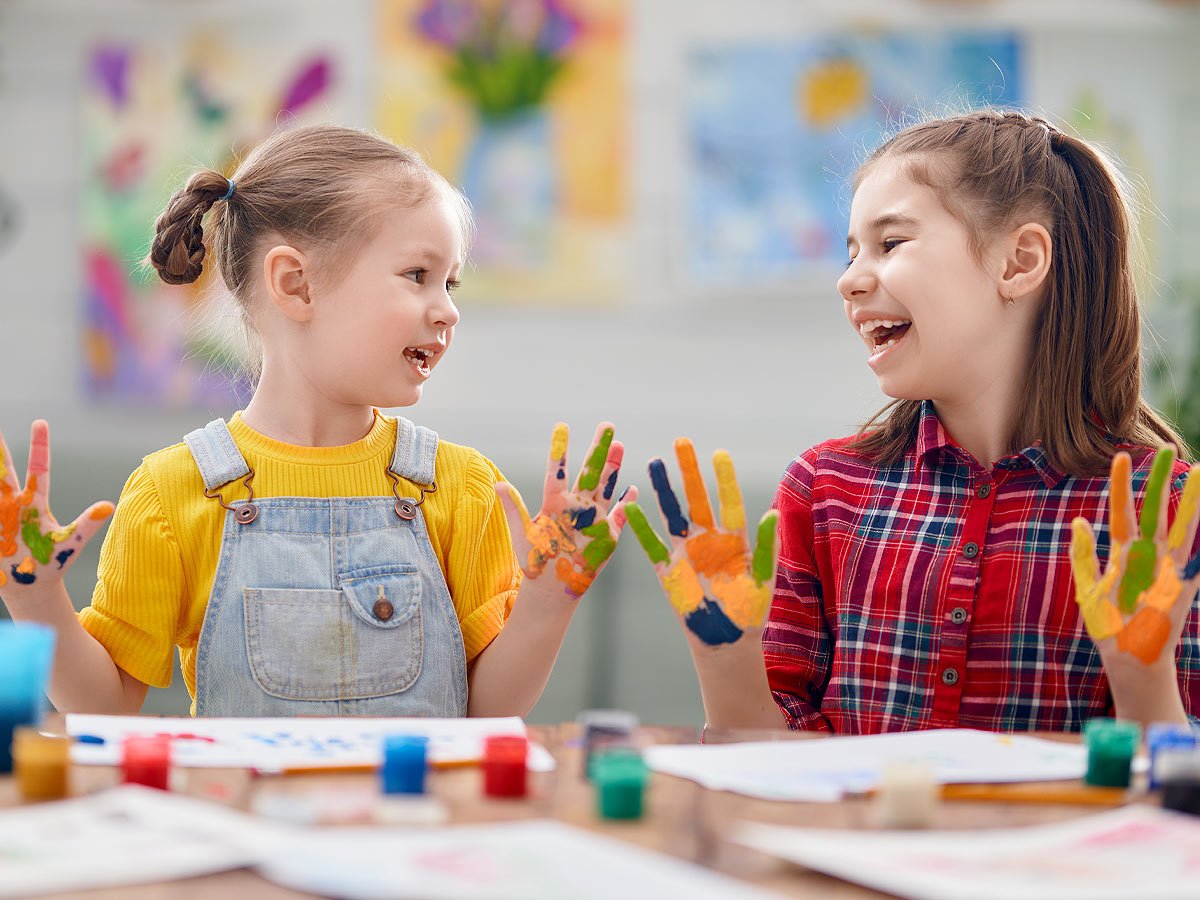
Art, music, movement, and imaginative play give kindergarten children additional ways to express what they know and who they are. They also strengthen fine motor skills, language, memory, collaboration, and confidence.
A child painting a life cycle diagram, acting out a favorite story, or moving to a rhythm is not stepping away from learning. They are often deepening it. Creative opportunities are especially valuable for children who need more than one way to show their understanding.
When reviewing a curriculum, ask how enrichment connects to classroom learning. The answer may vary by school, but children should have regular opportunities to create, move, wonder, and take pride in their work.
Look at How Teachers Bring the Plan to Life
Even the most carefully written curriculum depends on the adults who teach it. In kindergarten, experienced teachers notice small but meaningful details: a child who is suddenly quiet during group time, a student ready for a more advanced reading challenge, or a friendship that needs gentle guidance.
Ask how teachers assess progress throughout the year. Formal benchmarks can be helpful, but they should not be the only source of information. Classroom observation, work samples, conversations with children, and family input create a fuller picture of growth.
Also ask how the school communicates with parents. Families should understand what their child is learning, where they are thriving, and how they can offer support at home without turning home life into an extension of the classroom. Open communication helps parents feel connected and gives children the consistency they need between school and home.
Small class sizes can be especially valuable at this age because they create more room for teachers to listen, observe, and adapt. At The Winchester School, individualized attention and long-standing teacher relationships are central to creating a classroom where children can feel both secure and ready to stretch.
Questions Worth Asking on a School Visit
A school visit gives families the chance to see whether a curriculum feels as thoughtful in practice as it sounds on paper. Notice the atmosphere in the classroom. Are children engaged? Do teachers speak to them with patience and respect? Is there evidence of children’s ideas and work throughout the room?
It can help to ask how the program supports a child who is ahead in one area and still developing in another. Kindergarteners are rarely evenly matched across every skill. A child may be an enthusiastic storyteller but need more practice with letter formation, or understand number concepts quickly while needing time to feel comfortable in a new group.
Ask how children transition between activities, what happens when they need a break, and how teachers encourage independence. These practical details reveal much about a school’s approach to the whole child. A program can hold high expectations while recognizing that five- and six-year-olds need movement, reassurance, and time to practice new routines.
Families may also want to ask how outdoor play, science, community-building, and enrichment fit into the week. The right answer will depend on your child and your family’s priorities, but a well-rounded program should not treat these areas as optional.
Choose a Curriculum That Sees Your Child Clearly
There is no single kindergarten curriculum that is right for every child. Some children flourish with more predictable routines; others need frequent opportunities for open-ended exploration. Most need both structure and room to grow. The key is finding a school that can explain its approach clearly and adjust support when a child needs something different.
As you compare programs, pay attention to how a school talks about children. Do you hear only about performance and readiness, or do you also hear about confidence, kindness, curiosity, and belonging? A strong academic start should never require a child to leave those qualities behind.
The kindergarten year is a beginning, not a race. When children feel safe, capable, and excited to return each morning, they are building more than school skills. They are learning that their questions matter, their efforts count, and their community is ready to help them grow.