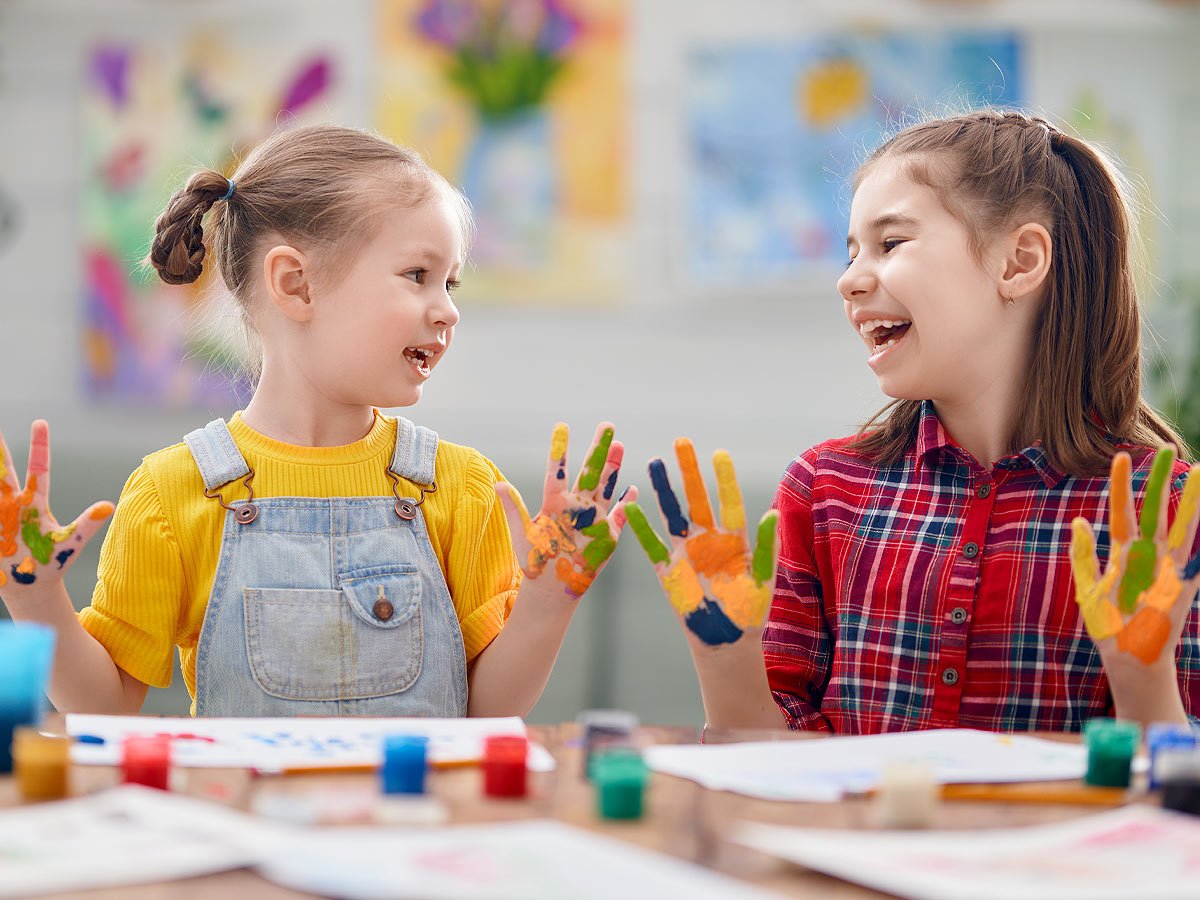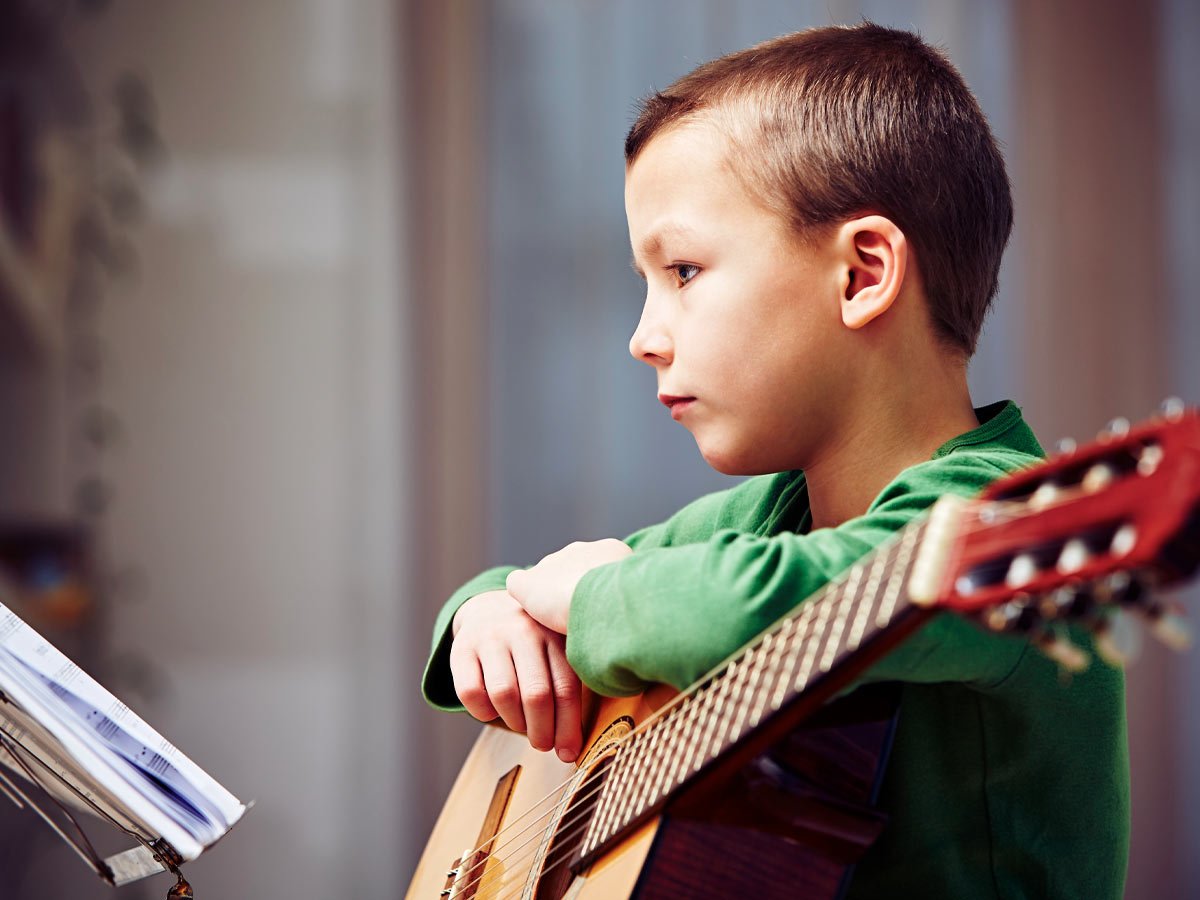

A child who insists on pouring their own juice, asks “why?” twelve times before breakfast, or bursts into tears when it is time to leave the playground is not being difficult. They are practicing independence, curiosity, and big feelings all at once. The best early childhood education books help adults see these everyday moments more clearly – and respond in ways that build confidence, connection, and a lasting love of learning.
For families of children ages 3 through 8, a helpful book should feel less like another standard to meet and more like a thoughtful companion. The selections below offer research, practical language, and reassurance for the years when children are forming their earliest ideas about school, relationships, and themselves.
How to Choose Early Childhood Education Books
Not every respected education book will be the right fit for every family. Some focus on brain development, others on behavior, literacy, outdoor play, or a particular educational philosophy. A parent of a sensitive preschooler may find comfort in a book about emotional regulation, while a family preparing for kindergarten may want fresh ideas for reading aloud and fostering independence.
Look for books that respect childhood rather than rush it. Young children need structure and clear expectations, but they also learn through play, movement, conversation, mistakes, and repeated practice. The strongest books explain the “why” behind a child’s behavior and give adults realistic ways to respond.
It also helps to read with a little flexibility. A thoughtful idea can be useful even if you do not adopt every recommendation in the book. Your child’s temperament, developmental stage, family routines, and school environment all matter.
12 Best Early Childhood Education Books to Read
1. The Whole-Brain Child by Daniel J. Siegel and Tina Payne Bryson
This accessible introduction to child development helps adults understand why logic often disappears during a meltdown. Its central message is reassuring: children need calm connection before they can learn to manage strong emotions. Parents will find practical ways to name feelings, help children tell the story of a hard moment, and gradually build self-regulation.
2. The Power of Showing Up by Daniel J. Siegel and Tina Payne Bryson
Children thrive when they feel safe, seen, soothed, and secure. This book explores how ordinary, reliable moments with caring adults shape resilience over time. It is especially valuable for parents who worry that they need to get everything right. Consistent presence matters far more than perfection.
3. The Gardener and the Carpenter by Alison Gopnik
Gopnik challenges the idea that parenting is a project with guaranteed outcomes. Instead of trying to “build” a child toward a predetermined result, she encourages adults to create a rich, secure environment where children can grow. It is a thoughtful choice for families seeking a healthier balance between guidance, high expectations, and room to explore.
4. The Importance of Being Little by Erika Christakis
Written with warmth and conviction, this book asks adults to take young children’s ideas, questions, and play seriously. Christakis makes a compelling case that early learning is not a watered-down version of later schooling. It is a distinct and essential period, one best supported by responsive adults, meaningful conversation, and hands-on discovery.
5. Einstein Never Used Flash Cards by Kathy Hirsh-Pasek, Roberta Michnick Golinkoff, and Diane Eyer
For parents feeling pressure to accelerate learning, this book offers a welcome reset. It explains why playful, engaged experiences can be more valuable than drills and worksheets for young children. The authors do not argue against academics. They show how language, math thinking, memory, and problem-solving develop naturally through active play and conversation.
6. The Read-Aloud Handbook by Jim Trelease
Reading aloud is one of the simplest ways to strengthen language, attention, imagination, and family connection. Trelease’s classic guide helps adults make read-aloud time a regular, enjoyable part of the day. The book is particularly helpful for families who want to move beyond “How many minutes should we read?” and focus instead on creating a joyful reading habit.
7. How to Talk So Little Kids Will Listen by Joanna Faber and Julie King
The title may sound ambitious, but the authors are realistic about life with young children. They offer useful phrases and examples for common challenges, including getting out the door, handling sibling conflict, and setting limits without unnecessary power struggles. The advice works best when used as a guide for respectful communication, not as a script that must produce instant cooperation.
8. No Bad Kids by Janet Lansbury
Lansbury encourages adults to separate a child’s behavior from the child’s identity. A child may hit, scream, refuse, or test a limit, but that does not make them “bad.” Her approach centers on calm, clear boundaries and respectful language. Families may not agree with every aspect of her philosophy, but many find her emphasis on steadiness and dignity valuable.
9. Balanced and Barefoot by Angela J. Hanscom
Outdoor play supports far more than a child’s energy level. Hanscom connects movement, sensory experiences, risk assessment, and unstructured time outdoors with healthy development. This book is a useful reminder that climbing, digging, balancing, and imaginative play are meaningful learning experiences. Naturally, families should make choices that fit their child’s abilities and their setting’s safety expectations.
10. The Montessori Toddler by Simone Davies
Although written through a Montessori lens, this book includes practical ideas any family can use. Davies shows how simple routines, child-sized responsibilities, and thoughtfully organized spaces can encourage independence. The goal is not to make a home look like a classroom. It is to give children manageable opportunities to participate, such as putting away shoes or helping prepare a snack.
11. The Emotional Life of the Toddler by Alicia F. Lieberman
Toddlers and preschoolers can experience emotions with startling intensity, often before they have the words to explain what is wrong. Lieberman offers insight into separation, fear, frustration, attachment, and early social relationships. This book can help adults look beneath a behavior and consider what a child may be communicating through it.
12. Developmentally Appropriate Practice in Early Childhood Programs by NAEYC
This is a stronger fit for educators and parents who want a deeper understanding of quality early learning. It explains why teaching should be responsive to children’s ages, individual strengths, cultural backgrounds, and developmental needs. The material is more academic than the other selections, but it provides an excellent foundation for evaluating whether an early childhood program truly supports the whole child.
Turning Good Ideas Into Everyday Learning
A book is most useful when it changes one small interaction. After reading about emotional development, a parent might begin saying, “You are disappointed that playtime is over. I am here, and we can be upset together.” After reading about independence, they might allow a few extra minutes for a child to zip a coat or carry their own backpack.
Small changes matter because young children learn through repetition. They notice when adults listen closely, keep promises, set kind boundaries, and make room for their questions. At home and at school, these experiences help children become more capable, compassionate, and ready to engage with learning.
If you choose only one book from this list, choose the one that speaks to a challenge your family is experiencing right now. Keep it nearby, try one idea for a week, and pay attention to what helps your child feel understood, capable, and eager to try again.