
A preschooler may remember summer camp less for the craft they brought home and more for the teacher who knew they needed an extra minute at drop-off. For families seeking the best summer camp for preschoolers, that feeling of being known matters just as much as the schedule. Young children thrive when summer offers both the freedom to explore and the steady routines that help them feel safe.
For children ages 3 and 4, camp is often their first experience spending part of the day in a new group, following a classroom rhythm, and building friendships beyond familiar playdates. The right program makes those first steps feel joyful, supported, and age-appropriate.
What Preschoolers Need From Summer Camp
Preschool camp should not simply be a younger version of camp for older children. Preschoolers are still learning how to separate comfortably from caregivers, use words to solve small disagreements, manage transitions, and recognize their own needs. They benefit from a day that is thoughtfully paced rather than packed from beginning to end.
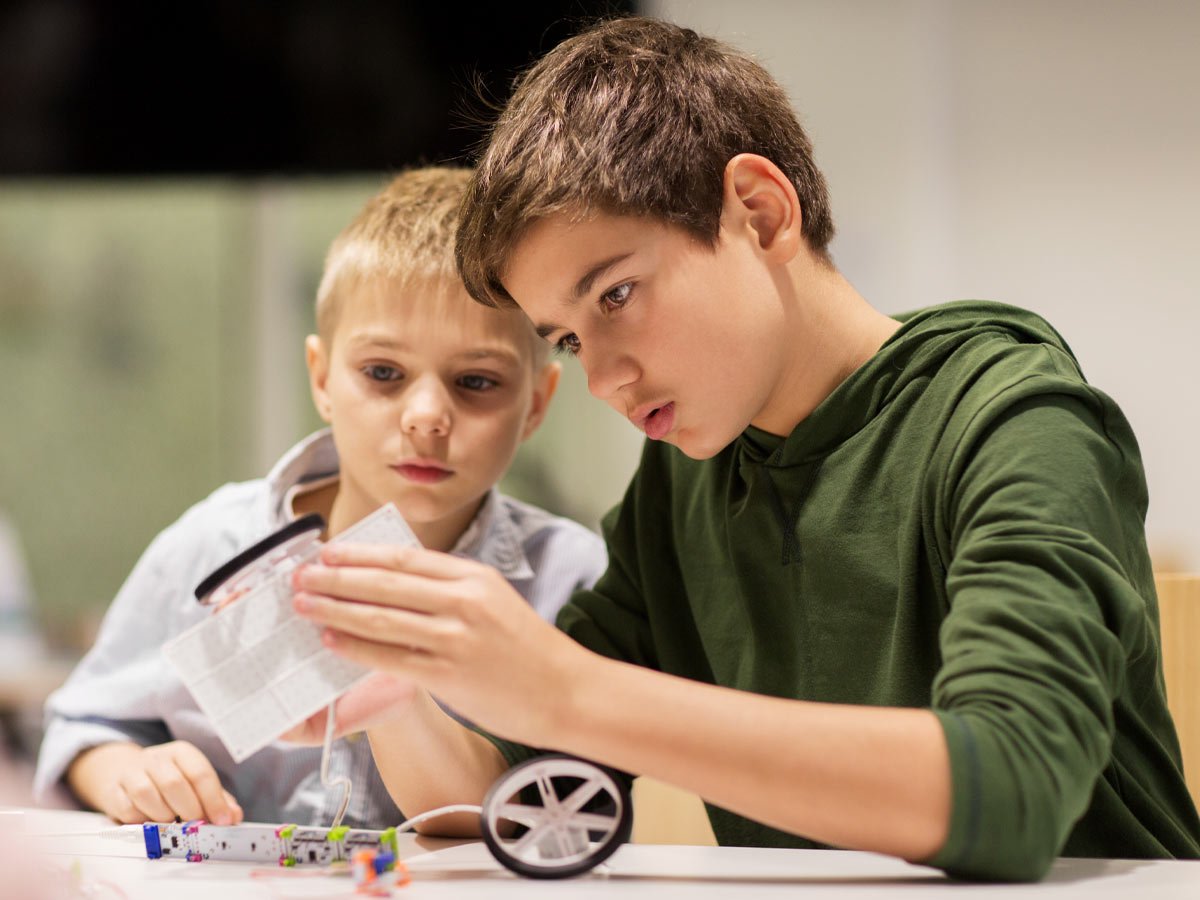
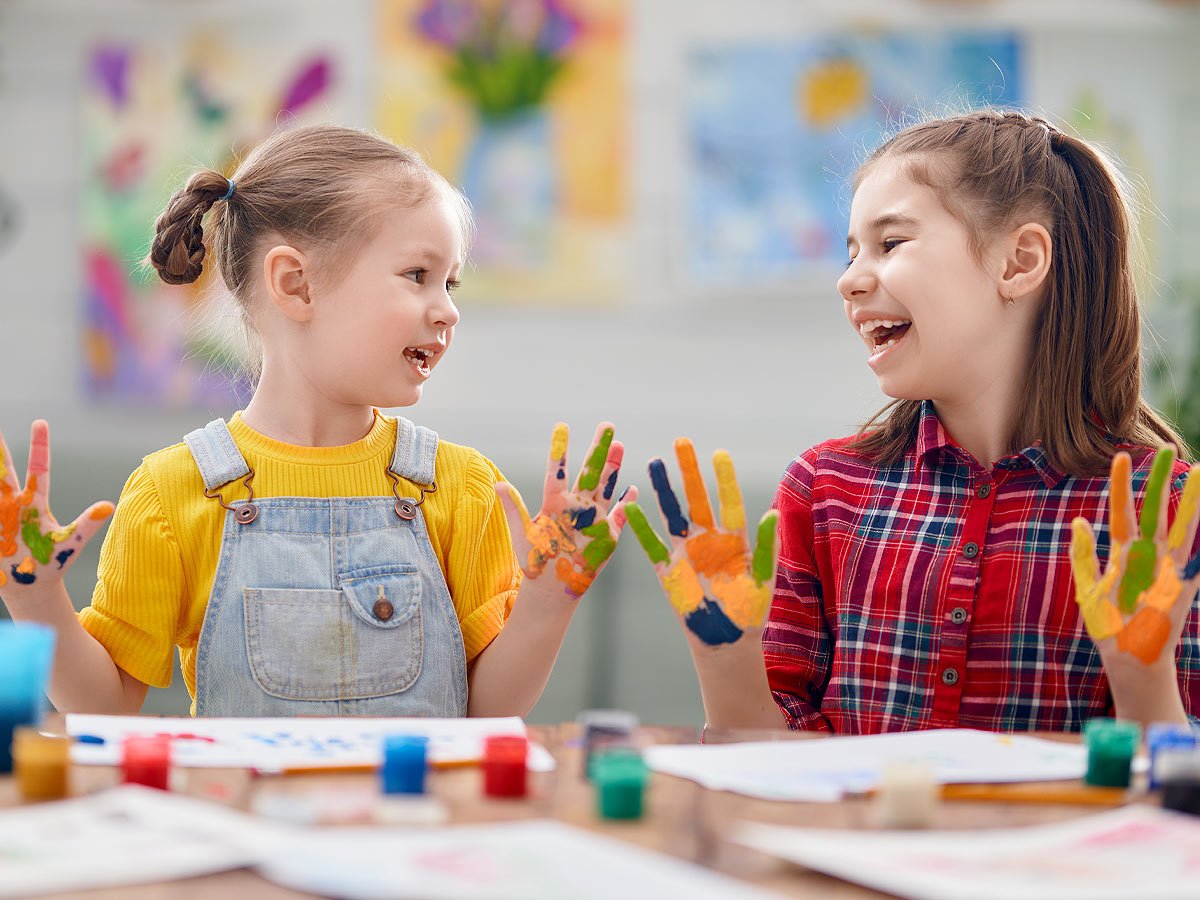
A strong program balances active play with calm moments. Children may spend the morning investigating a nature-themed sensory bin, listening to a story, creating with paint, or practicing simple early learning skills. They also need time to run, climb, laugh, rest, and return to familiar routines. That combination helps children build confidence without becoming overwhelmed.
The best experiences also keep learning meaningful. A weekly theme can give children a fun focus, but the activities should leave room for questions, imagination, and individual interests. When a child is fascinated by bugs, building blocks, or mixing colors, a responsive teacher can turn that interest into a memorable learning moment.
Signs of the Best Summer Camp for Preschoolers
Parents often begin by comparing dates, hours, and locations. Those practical details matter, especially for working families. Yet the quality of a preschool camp is usually revealed in how the program handles the small, everyday moments: arrival, toileting, snack time, transitions, playground play, and a child who is having a hard morning.
Experienced teachers create emotional safety
Look for educators who understand early childhood development and genuinely enjoy this age group. Preschool teachers need more than creative activity ideas. They need the patience to guide a child through a tearful goodbye, the awareness to notice a quiet child on the edge of a group, and the skill to encourage independence without expecting too much too soon.
Ask who will be in the classroom each day and whether the staff has experience working with preschoolers. Consistency is especially valuable over the summer. Children settle more easily when they can count on familiar adults who learn their names, personalities, and routines.
Small groups make a meaningful difference
In a small class, teachers can notice when a child needs help joining a game or when a favorite activity could become a bridge to new learning. Individual attention does not mean every child follows the same path at the same pace. It means adults have the capacity to respond thoughtfully.
Smaller groups also support safer, calmer transitions. Whether children are washing hands, moving outdoors, or preparing to go home, young learners do better when they are not rushed through a crowded environment.
The day has structure, with room for play
A predictable routine helps preschoolers know what comes next. Many children feel more comfortable when their day includes a familiar welcome, circle or story time, hands-on activities, snacks, outdoor movement, lunch, quiet time, and a warm goodbye.
At the same time, structure should not make camp feel like a long worksheet session. Play is how preschoolers test ideas, practice language, develop motor skills, and learn to cooperate. Building a pretend bakery, sorting shells, acting out a story, or negotiating who gets the blue shovel all carry real developmental value.
Communication gives families peace of mind
Camp is more reassuring when parents know how their child’s day is going. Clear information before camp begins can ease the transition: what to pack, what the routine looks like, how drop-off works, and who to contact with questions.
During the session, families appreciate timely updates about classroom activities, successes, and any concerns that need attention. Open communication is not about receiving a report on every moment. It is about building the trust that comes when school and home work together.
Questions Worth Asking Before You Enroll
A school tour or conversation with a camp director can tell you much more than a brochure. Notice whether staff members speak about children as individuals and whether they can clearly explain how their program supports a child who is new to group settings.
Consider asking about the teacher-to-child ratio, daily schedule, outdoor time, snack and lunch procedures, and how the program handles separation anxiety. It is also helpful to ask what happens if a child needs a quieter moment or has trouble with a peer. The answer should sound calm, specific, and respectful of young children.
Safety deserves direct attention as well. Families should understand arrival and dismissal procedures, supervision practices, emergency readiness, health policies, and how staff communicate a child’s needs throughout the day. A caring camp does not treat these details as an afterthought. They are part of the foundation that allows children to play and learn with confidence.
Choosing a Camp That Fits Your Child
There is no single perfect camp for every preschooler. A highly social child may be excited by a lively group and new activities each week. A child who is cautious in unfamiliar settings may do best in a smaller, more consistent environment with a gentle introduction to the day.
Think about what has helped your child succeed in other settings. Do they enjoy classroom routines? Are they energized by outdoor play? Do they need time to warm up with new adults? These observations can help you evaluate whether a camp’s approach is a good match.
It can also help to consider what you hope summer will provide. Some families primarily need dependable care during the workday. Others want a gentle bridge into preschool or kindergarten. Many are looking for both: a reliable program where their child can have fun, make friends, and continue developing important early skills.
For local families, a school-based summer program can offer a particularly comforting option. The setting is designed for young learners, classrooms are equipped for hands-on exploration, and educators understand that social-emotional growth belongs alongside early academics. At The Winchester School, summer experiences can reflect the same warm, individualized attention that helps children become joyful learners during the school year.
Helping Your Preschooler Feel Ready
Once you have chosen a camp, a little preparation can make the first day easier. Talk about camp in simple, positive terms: who will take them, what they might do, and when you will return. Avoid making promises that are difficult to keep, such as saying you will stay all day if the program’s routine requires a quick goodbye.
If possible, let your child help choose a backpack, water bottle, or comfortable camp clothes. Practice a few independence skills at home, such as opening a snack container, using the bathroom routine they will follow at camp, or putting on shoes. These small successes can make children feel capable in a new environment.
At drop-off, calm confidence is often more helpful than a long farewell. Let the teacher know if your child is feeling nervous, offer a loving and clear goodbye, and trust the staff to help them settle in. Many preschoolers who begin the morning with hesitation are soon absorbed in a puzzle, a painting project, or an invitation to play.
Summer can be a beautiful season of firsts: first friendships, first classroom jokes, first proud stories about something made or discovered. Choose a camp where your child has time to be little, caring adults close by, and many reasons to look forward to tomorrow.