
A child who has just learned to zip a coat, use words for a big feeling, or recognize the first letters in their name is doing more than reaching a milestone. They are building confidence in front of other people. Private school class size can make a meaningful difference in those early moments because it influences how often a teacher can notice, respond, encourage, and guide each child through the day.
For families choosing a Pre-K through lower elementary program, smaller classes are often appealing for a simple reason: young children need to be known. But class size is not a magic number on its own. What matters is how a school uses that setting to create strong relationships, purposeful learning, and a warm community where children feel safe enough to try.
What Private School Class Size Can Change
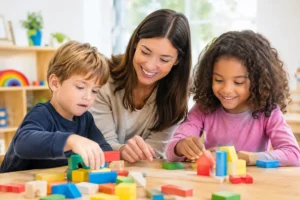
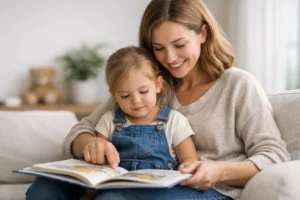
In early childhood and the first elementary years, learning happens constantly. It happens during a read-aloud, while children negotiate turns at the block area, when a teacher notices a hesitant hand raised during math, and when a child needs a quiet reminder after a hard transition. A smaller class can give teachers more opportunity to be present for those everyday moments.
This does not mean children need constant adult attention. Independence is an essential part of early learning. It does mean that when children need support, they are more likely to receive it before a small challenge becomes a discouraging one. A teacher who knows a child well can recognize the difference between a student who needs another explanation, one who needs reassurance, and one who is ready for a greater challenge.
Class size also affects the rhythm of the day. In a more intimate classroom, transitions may feel calmer, conversations can include more voices, and teachers can spend less time managing the group as a whole. That creates more room for meaningful instruction, hands-on exploration, and the social learning that is so important at ages 3 through 8.
Small Classes Support Individual Learning Paths
Children do not arrive at school with the same experiences, strengths, or pace. One child may be eager to sound out words but still be learning how to work through frustration. Another may have strong ideas to share but need time to feel comfortable speaking in a group. A classroom with fewer students gives teachers greater ability to meet children where they are.
Teachers Can Notice the Details
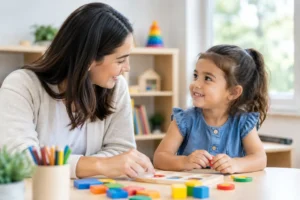
Individualized support begins with observation. Experienced teachers watch how children approach a puzzle, join a game, hold a pencil, listen during group time, and recover after disappointment. These observations help teachers adjust their approach in ways that may feel small to a child but matter greatly over time.
For example, a teacher might invite a quiet kindergartner to share an answer with a partner before speaking to the class. A first grader who has mastered a skill may receive an extension activity instead of waiting for the group to catch up. A Pre-K student who is still separating from a parent may be welcomed into a familiar morning routine with extra care and consistency.
Those responses are not separate from academic growth. They help children develop the security and confidence needed to participate fully in learning.
Instruction Has More Flexibility
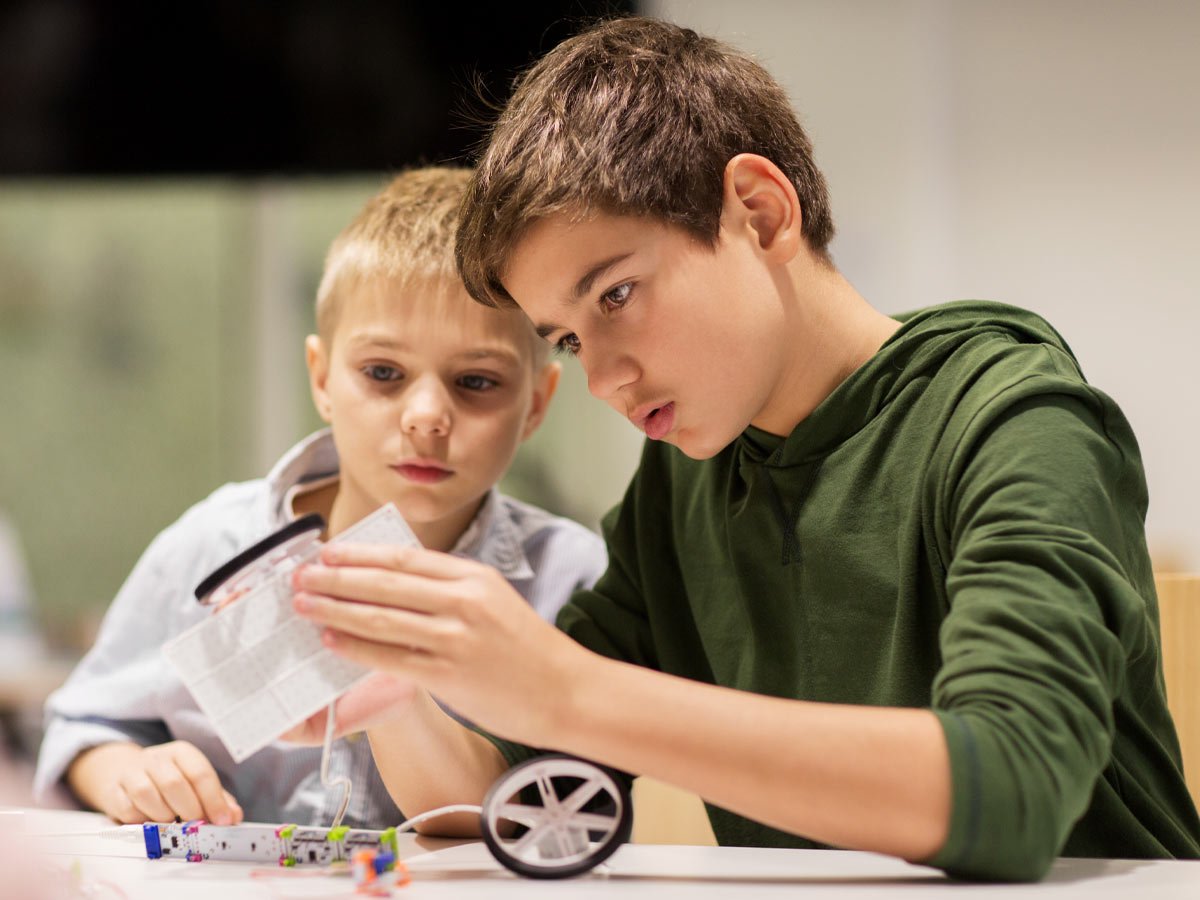
Smaller groups can make it easier to vary instruction without making children feel singled out. A teacher may work with a few students on letter sounds while others engage in a related literacy activity. During math, children can use manipulatives, draw their thinking, or explain a solution aloud while the teacher listens closely for understanding.
The goal is not to rush children ahead. It is to provide an appropriate next step. Especially in the early years, lasting progress comes from a solid foundation in language, number sense, curiosity, self-regulation, and problem-solving.
Relationships Are Part of the Curriculum
Parents often ask about reading, writing, math, and enrichment, and rightly so. Yet the ability to form relationships is also central to a child’s school experience. Young children learn through connection. They are more willing to take intellectual risks when they trust the adults around them and feel that they belong with their peers.
A smaller class can help teachers build that trust with intention. They have more opportunities to learn what makes each child laugh, what causes worry, who works well together, and when a disagreement needs coaching rather than quick correction. Children benefit from being seen as whole people, not simply as members of a group.
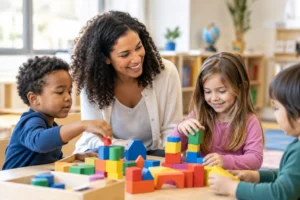
This setting can also support friendships. Children have time to practice sharing materials, taking turns, expressing needs, and repairing misunderstandings. These are not minor skills. They are the beginning of empathy, cooperation, and self-advocacy.
For a child entering school for the first time, a close-knit classroom can feel like a manageable community. For an older child in first or second grade, it can offer the confidence to contribute ideas, ask questions, and grow into a thoughtful classmate.
The Teacher Matters as Much as the Number
When comparing private school class size, it is wise to look beyond a single enrollment figure. A small class is most valuable when it is led by skilled, caring educators who understand child development and have the support to teach thoughtfully.
During a school visit, families can ask how teachers plan for different learning needs, how they communicate with parents, and how long educators have been part of the school community. Long-tenured teachers often bring a deep understanding of the program, trusted relationships with families, and confidence in guiding children through each stage of growth.
It is also helpful to ask about classroom support. Teacher assistants, specialists, and school leaders can all strengthen the learning environment when their roles are clear and collaborative. The right adult-to-child experience depends on a child’s age, the daily schedule, and the needs of the group.
A school should be able to explain not only how many children are in a class, but how teachers use their time with those children. Look for answers that describe active learning, small-group instruction, outdoor play, creative experiences, and social-emotional guidance, rather than relying only on a number in a brochure.
A Smaller Class Is Not a Smaller Experience
Some parents wonder whether a small school community will offer enough variety, social opportunity, or preparation for future classrooms. These are fair questions. Children do need to learn how to participate in groups, encounter different personalities, and adapt to new expectations.
A well-designed small-class environment can provide those experiences while offering a stronger sense of support. Children can collaborate with classmates, participate in school traditions, enjoy creative enrichment, and learn from adults beyond their primary teacher. They can practice being part of a community without becoming lost within it.
The best preparation for a larger future setting is not simply spending time in a larger group. It is developing the skills to enter that setting with confidence: listening, communicating, managing emotions, solving problems, and believing that their ideas have value.
Questions to Ask During a School Tour
A tour gives families a chance to see whether the atmosphere matches the school’s promises. Notice how adults speak to children and whether students seem comfortable approaching their teachers. Look for classrooms where children are engaged, materials are within reach, and routines feel purposeful rather than rigid.
Ask how teachers share progress with families and how they respond when a child needs extra support or greater academic challenge. You may also ask how children are grouped for learning, what transitions look like, and how the school helps new students settle in.
Most of all, pay attention to whether the school speaks about children with genuine familiarity and respect. A nurturing environment is not measured only by quiet rooms or cheerful walls. It is felt in the way adults recognize each child’s potential and partner with families through the ordinary, important work of growing up.
At The Winchester School, small classes are part of a larger commitment to helping children become joyful learners who feel capable, connected, and ready for what comes next. The right school should leave your family with that same feeling: that your child will be welcomed, understood, and encouraged to take their next brave step.