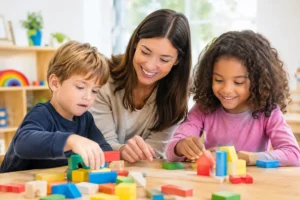

A preschool tour can make two caring classrooms look very different. In one, children may choose work from low shelves and move around the room independently. In another, children may gather for morning meeting, rotate through teacher-guided centers, and learn alongside the same group of classmates. When comparing montessori vs traditional preschool, the question is not which model has the better reputation. It is which daily experience will help your child feel secure, engaged, and ready to grow.
For young children, the best fit often comes down to temperament, family values, and the quality of the teachers who bring a program to life. A school’s philosophy matters, but so do warm relationships, clear communication, age-appropriate expectations, and enough individual attention for each child to be known.
Montessori vs Traditional Preschool: The Core Difference
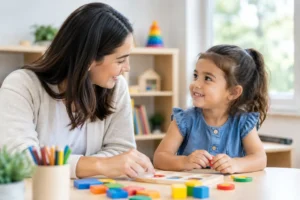
Montessori education is built around independence and purposeful choice. In a Montessori classroom, children typically work with carefully designed hands-on materials, often selecting activities based on their interests and developmental readiness. Teachers observe closely, introduce materials, and guide learning rather than directing every moment of the day. Classrooms are usually organized to give children access to materials and encourage them to care for their own space.
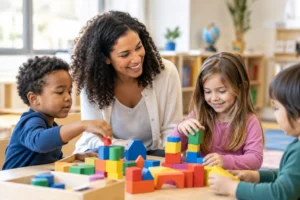
Traditional preschool is a broad term. It can describe many programs, but it generally includes a more teacher-led rhythm: group lessons, planned activities, learning centers, stories, songs, outdoor play, and classroom routines shared by the whole group. Children may still have choices during center time, but the teacher usually sets the schedule and leads learning experiences for the class.
Neither approach is automatically more nurturing, more academic, or more effective. Strong Montessori programs and strong traditional programs both respect children’s development. The difference is often in how learning is organized and how much freedom children have to choose their work and pace.
How the Classroom Day May Feel
A Montessori classroom often has longer blocks of uninterrupted work time. A child might spend significant time matching letter sounds, pouring water, building with materials, or completing a practical task such as folding cloths. Children are encouraged to repeat an activity until they feel satisfied or ready for a new challenge. Mixed-age groups are also common, allowing younger children to observe older peers and older children to practice leadership.
A traditional preschool classroom generally follows a predictable sequence. The day may include arrival activities, circle time, small-group instruction, centers, snack, outdoor play, creative projects, and closing routines. That consistency can be especially comforting for children who thrive when they know what comes next. It also gives teachers regular opportunities to bring the class together around a shared topic, story, skill, or celebration.
For some children, Montessori’s independence feels energizing. For others, a more structured schedule and frequent teacher guidance provide the confidence they need to participate. A child who is hesitant in groups may benefit from gentle opportunities to practice alongside classmates. A child who becomes deeply absorbed in an activity may appreciate having time to stay with it.
Choice and independence
Montessori programs intentionally build practical independence. Children may learn to prepare a snack, return materials precisely, button a coat, clean up a spill, and make choices about their work. These tasks are not considered separate from learning. They help children develop concentration, responsibility, coordination, and confidence.
Traditional programs also foster independence, although it may happen within more teacher-established routines. A child might choose a center, take classroom jobs, help distribute supplies, or practice dressing for recess. The difference is one of emphasis. Montessori often places independent work at the center of the day, while traditional classrooms may balance independence with group participation and guided instruction.
Parents should consider how their child responds to choices. Some children are eager decision-makers. Others do best with a few clear options and a familiar adult nearby. Neither response is a weakness. Preschool is a place for children to develop these skills gradually, with support.
Social learning and friendships
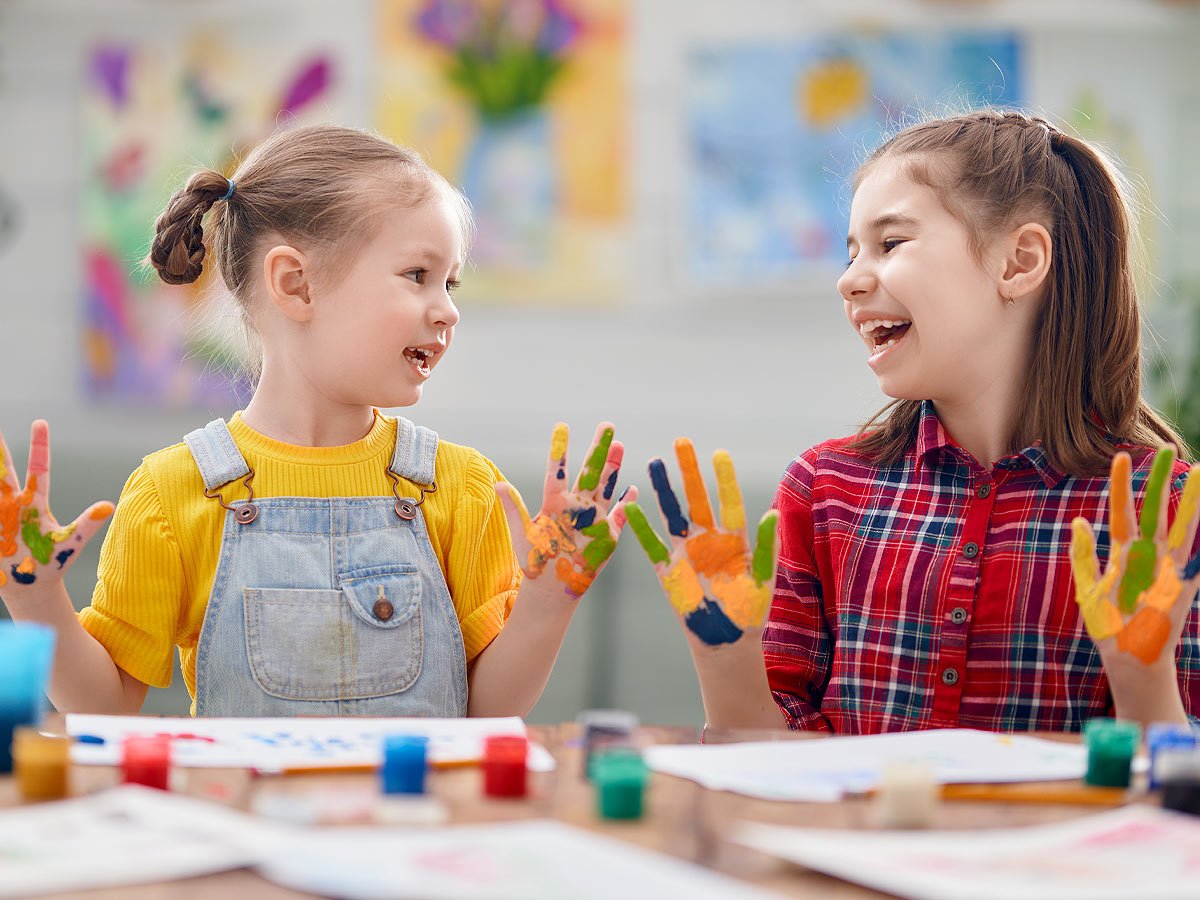
Both approaches can offer meaningful social-emotional growth, but the opportunities may look different. In Montessori settings, children often learn social skills through shared space, cooperative work, peer modeling, and respectful problem-solving. Teachers may guide children to use words, take turns, and resolve conflicts with increasing independence.
In traditional classrooms, community is often strengthened through daily group routines. Singing together, listening to a story, contributing to a class project, and practicing conversation at circle time can help children feel part of a group. Teachers may provide more direct coaching during friendships, transitions, and collaborative play.
Young children need both independence and connection. A thoughtful preschool program makes room for children to practice making choices while also learning how to listen, wait, express feelings, and care about others.
What About Kindergarten Readiness?
Many parents understandably want to know which approach prepares children best for kindergarten. The most useful question is broader: Is this program helping my child become a confident learner?
Readiness includes early literacy and number sense, but it also includes communication, curiosity, persistence, self-regulation, fine-motor development, and the ability to participate in a classroom community. A child who can recognize letters but struggles to separate from a caregiver, manage frustration, or follow a simple routine may need support in ways a worksheet cannot address.
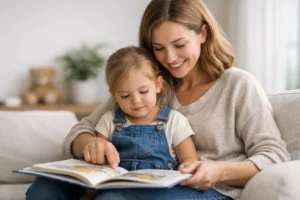
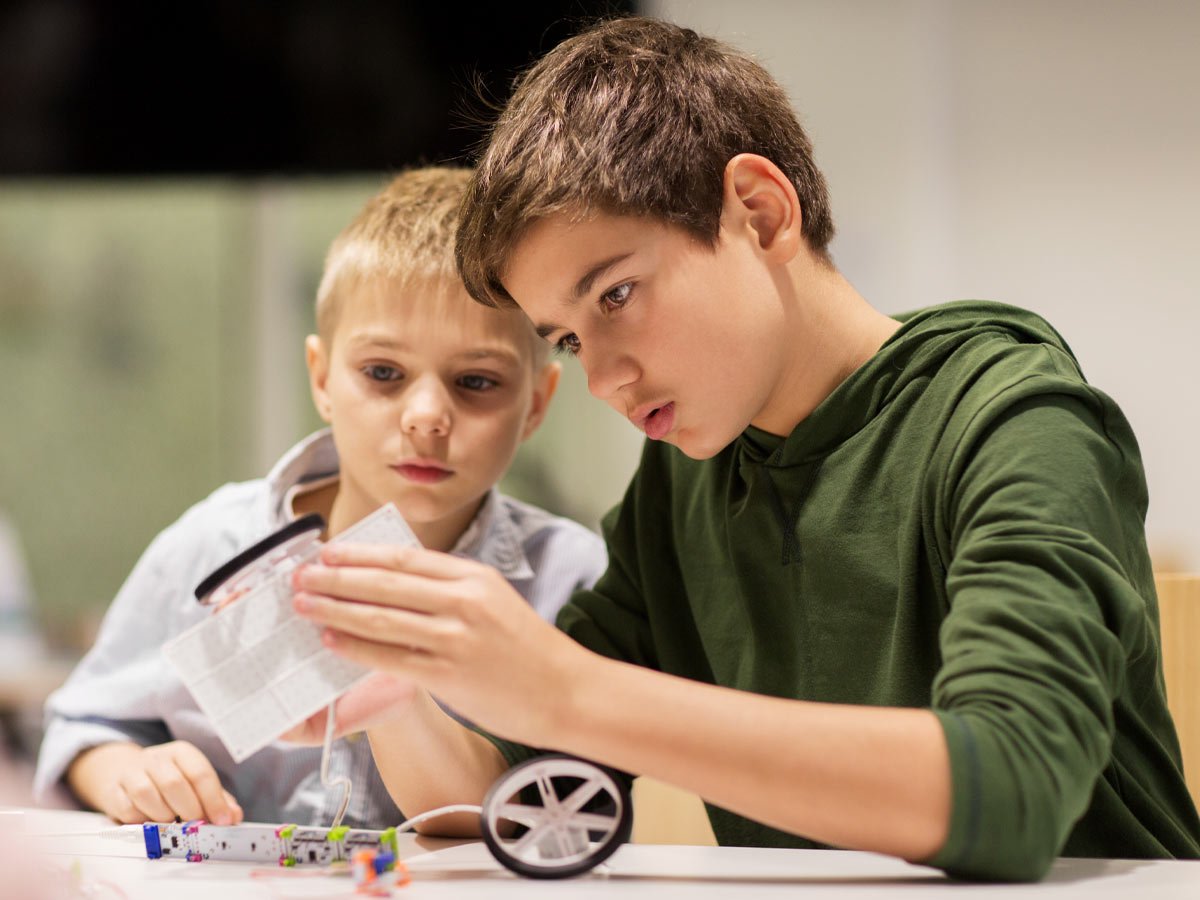
Montessori materials can provide concrete practice with foundational concepts. Children may explore counting, sounds, shapes, patterns, and order through hands-on repetition. Traditional programs may introduce those same skills through small-group lessons, play-based centers, books, art, games, and teacher-led activities. A high-quality program in either model should be developmentally appropriate, joyful, and responsive to individual progress.
It is also worth asking how a preschool communicates what children are learning. Families should understand their child’s strengths, areas for growth, and next steps. Regular, honest communication helps parents reinforce learning at home without turning early childhood into pressure.
Questions to Ask on a Preschool Tour
A school visit can tell you far more than a label alone. Notice whether children seem comfortable, engaged, and known by the adults around them. Listen to how teachers speak to children during both calm moments and challenging ones. A beautiful classroom matters, but caring guidance matters even more.
Ask how teachers support a child who is slow to warm up, has big feelings, needs an extra academic challenge, or is still learning to work with peers. Ask about class size, staff experience, outdoor time, creative enrichment, and how families receive updates. It is helpful to understand the schedule, but it is equally helpful to understand what happens when a child needs reassurance or individualized support.
You may also want to ask how the school prepares children for their next setting. If your child will eventually move into a more traditional elementary classroom, how will the school help with that transition? If your family values child-led exploration but also wants a clear academic foundation, how are both priorities honored?
A Balanced Approach Can Be a Strong Fit
Some families find that they do not want to choose between complete child direction and complete adult direction. They want a classroom where children can explore, create, ask questions, and build independence while still benefiting from predictable routines, intentional instruction, and close teacher guidance.
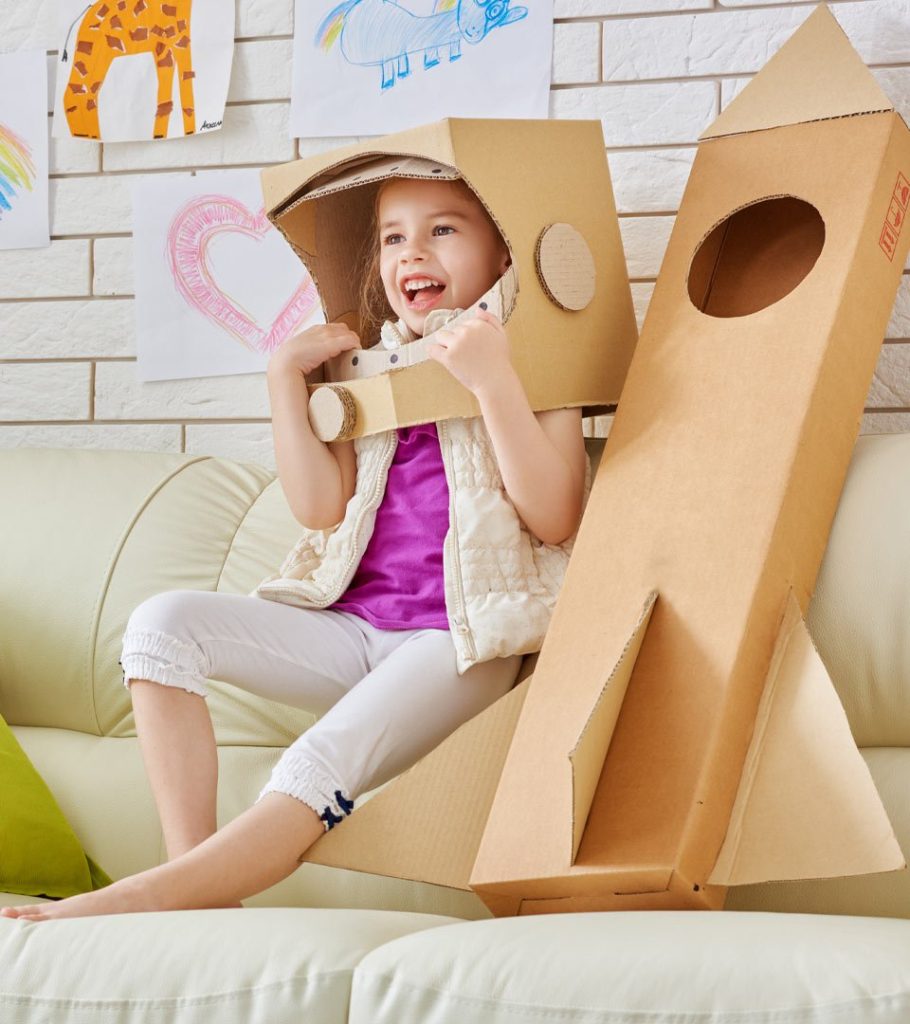
That balance is especially valuable in the early years, when children develop at very different rates. A child may be ready to recognize sight words yet still need help entering a group activity. Another may be wonderfully imaginative and socially confident while benefiting from extra practice with fine-motor skills or early number concepts. Individualized attention helps teachers meet both children where they are.
At The Winchester School, small classes and experienced teachers create room for foundational academics, hands-on exploration, creative enrichment, and social-emotional learning to work together. Families are not asked to fit their child into a philosophy at the expense of the child’s needs. The goal is to help each student grow into a joyful, capable learner.
The preschool that feels right should give your child more than a busy day. It should offer a place where they are greeted by name, encouraged to try, supported when something feels hard, and excited to return tomorrow.